

Archive · 8 Dec 2025
Indian Species Make Dramatic Comeback from Extinction
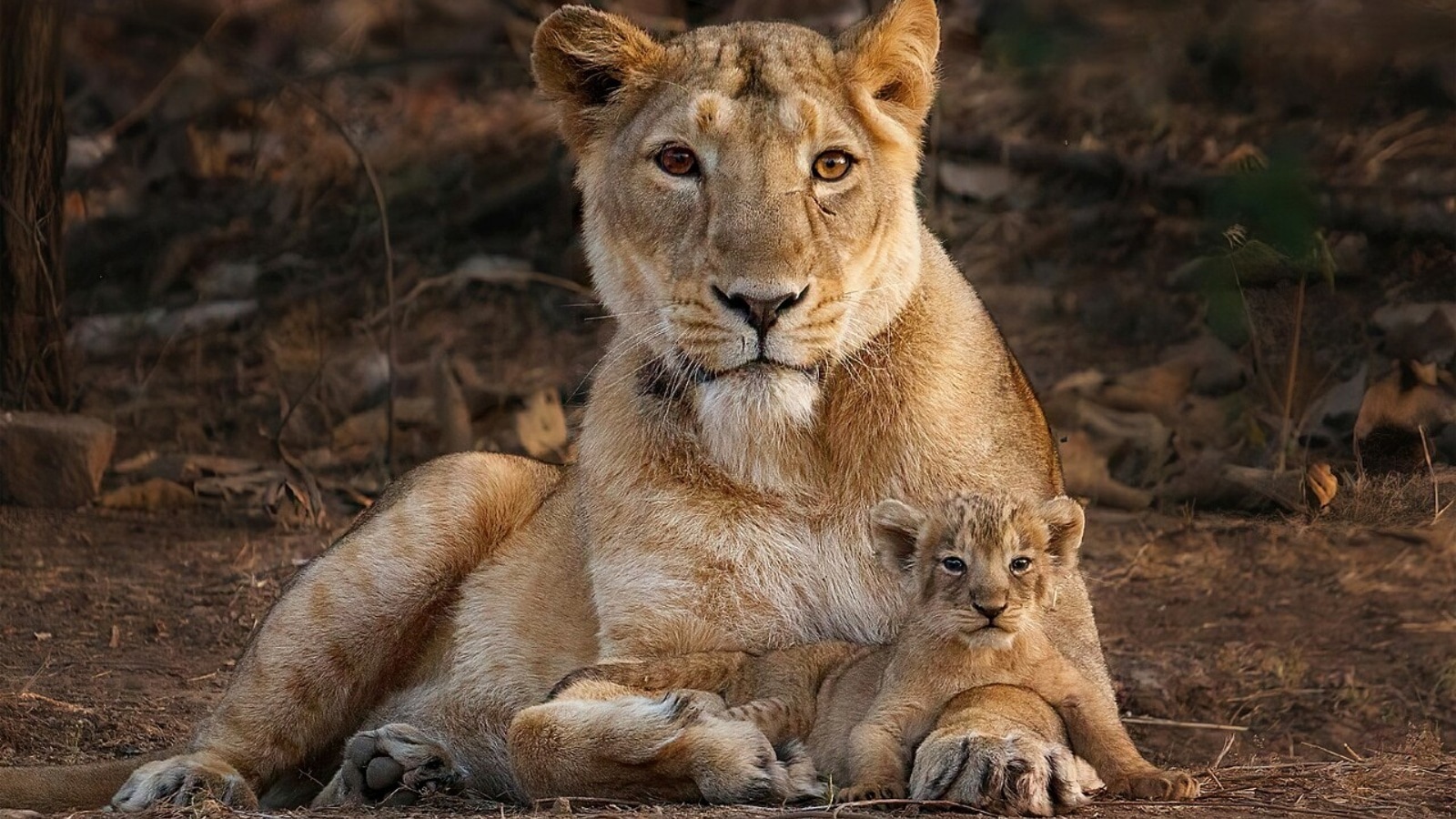
India has some amazing stories of animals that were almost gone but are now doing much better.
The Asiatic lion in Gujarat went from just 20 to over 670 thanks to special protection.
The greater one-horned rhinoceros in Assam grew from 75 to over 2,400 because of strict rules and safe places to live.
In Nagaland, people stopped hunting Amur falcons and now it's a safe place for them.
In Odisha, turtles called Olive Ridleys are nesting again because of protected beaches.
And in Madhya Pradesh, the barasingha deer went from 60 to over 800 with help from conservation efforts.
These stories show how people and animals can work together to save species.

The Asiatic lion population in Gujarat's Gir Forest recovered from 20 to over 670 through conservation efforts.
The greater one-horned rhinoceros population in Assam grew from 75 in 1905 to over 2,400 due to strict anti-poaching measures and habitat protection.
Community efforts in Nagaland stopped mass hunting of Amur falcons, making it a safe haven for the species.
Conservation measures in Odisha revived nesting numbers of Olive Ridley turtles, making it a global stronghold.
The barasingha (swamp deer) population in Madhya Pradesh increased from 60 in the 1960s to over 800 through habitat restoration and population management.
- Who
- Various Indian species including Asiatic lions, greater one-horned rhinoceroses, Amur falcons, Olive Ridley turtles, and barasinghas (swamp deer).
- What
- Successful conservation efforts have helped these species recover from the brink of extinction.
- When
- Conservation efforts have been ongoing for decades, with significant improvements observed in recent years.
- Where
- Gir Forest (Gujarat), Kaziranga National Park (Assam), Nagaland, Odisha's coast, and Kanha National Park (Madhya Pradesh).
- Why
- Due to government action, community support, habitat protection, and scientific management.
- Asiatic Lion
- Population recovered from 20 to over 670 in Gir Forest, Gujarat.
- Greater One-Horned Rhinoceros
- Population grew from 75 in 1905 to over 2,400 in Kaziranga National Park, Assam.
- Amur Falcon
- Community efforts in Nagaland stopped mass hunting, making it the world's Amur Falcon capital.
- Olive Ridley Turtle
- Conservation measures in Odisha revived nesting numbers, making it a global stronghold.
- Barasingha (Swamp Deer)
- Population increased from 60 in the 1960s to over 800 in Kanha National Park, Madhya Pradesh.