

Archive · 23 Sep 2025
Smart Cities Plan: Privatization of Citizen Data Accelerated
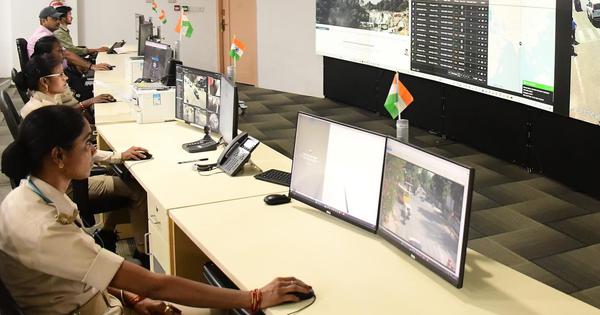
Imagine the government wanted to make cities smarter using data.
They collected information about things like traffic and public transport.
They built systems to analyze this data and create apps to make life easier, like online ticketing and route planning.
However, instead of the government controlling this data, it's being shared with private companies.
These companies are then using the data to make their own apps, essentially privatizing services that were supposed to benefit everyone.
This raises questions about who owns our data and how it's being used.

Smart Cities Mission aimed to improve urban governance through data and apps.
Cities installed digital infrastructure to collect data on transport and waste.
The India Urban Data Exchange was created to aggregate and share this data.
Data is being used to develop apps for services like ticketing and traffic management.
Public funds are being used to hasten the privatization of urban governance.
- Who
- Smart Cities Mission, government agencies, and private companies.
- What
- Public funds have been used to hasten the commodification and privatization of citizen data.
- When
- The Smart Cities Mission started ten years ago.
- Where
- Cities across India, including Bengaluru, Bhubaneswar, and Surat.
- Why
- To improve urban services using data analytics and automation, but instead leading to privatization.
- Smart Cities Mission Goal
- Revitalize Indian cities using data-driven governance
- Data Collection
- Sensors installed to gather data on public transport, traffic, and waste
- Data Exchange
- India Urban Data Exchange aggregates data from digital infrastructure
- Mission's Focus
- Apps for delivering services and automating urban functions
- Key Issue
- Public funds used to hasten privatization of data and urban governance