

Archive · 28 May 2025
Telephobia: Rising Phone Anxiety in Younger Generations
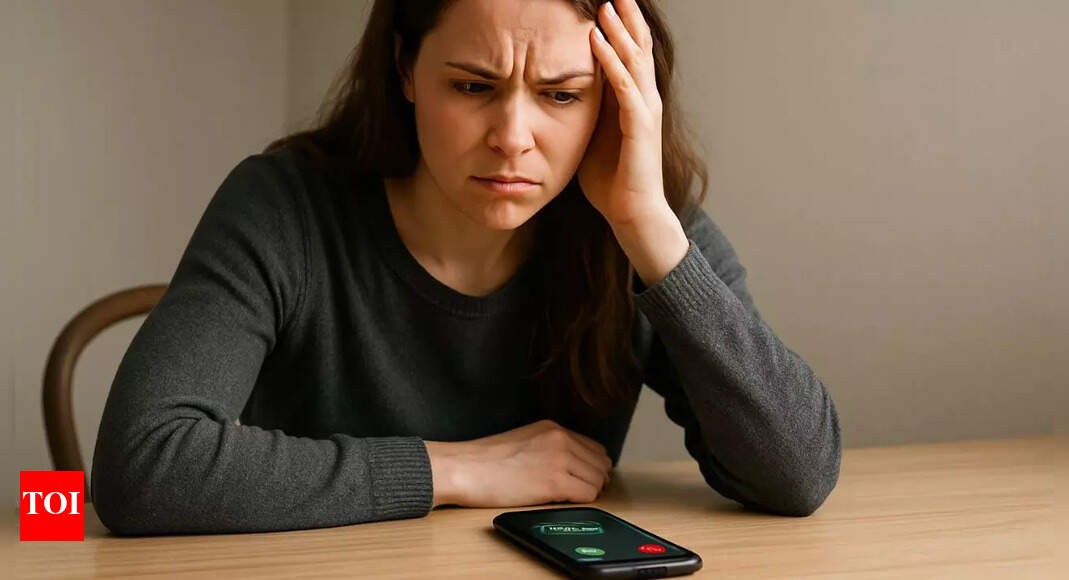
Many young people feel anxious about answering the phone, a feeling called telephobia.
They often find phone calls interruptive and tiring, preferring texts or voice notes.
This might be because they feel like they need to be available all the time and don't have time to think.
Texting allows them to answer at their own pace.
To deal with this, people are setting boundaries, taking breaks, and communicating how and when they can respond.
This shift reflects how younger generations prefer communicating.

Telephobia, or phone-related anxiety, is rising among Gen Z and Millennials.
Many younger adults find phone calls intrusive or energy-draining.
Texting is preferred for its flexibility and the ability to respond at one's own pace.
Avoiding calls can stem from emotional hyper-availability and a desire for boundaries.
Managing telephobia involves setting boundaries, practicing mindfulness, and prioritizing presence.
- Who
- Gen Z and Millennials
- What
- Telephobia, or phone-related anxiety, is becoming more common.
- When
- Today
- Where
- N/A
- Why
- Due to emotional hyper-availability and preference for flexible communication.
Traditional Phone Usage
Modern Communication Preferences
Impact on Relationships
Traditional Phone Usage
Modern communication methods, like texting, are preferred because they allow for more control and flexibility.
Modern Communication Preferences
Telephobia can lead to a loss of spontaneity and emotional nuance in relationships. Texting can miss verbal cues.
- Definition
- Telephobia: phone-related anxiety
- Affected groups
- Gen Z and Millennials
- Common feelings
- Anxiety, dread, discomfort
- Preferred Communication
- Texting, voice notes
- Impact
- Can affect interpersonal relationships