

Archive · 3 Aug 2026
India Faces Oil Privatization Debate Amid Global Market Shift
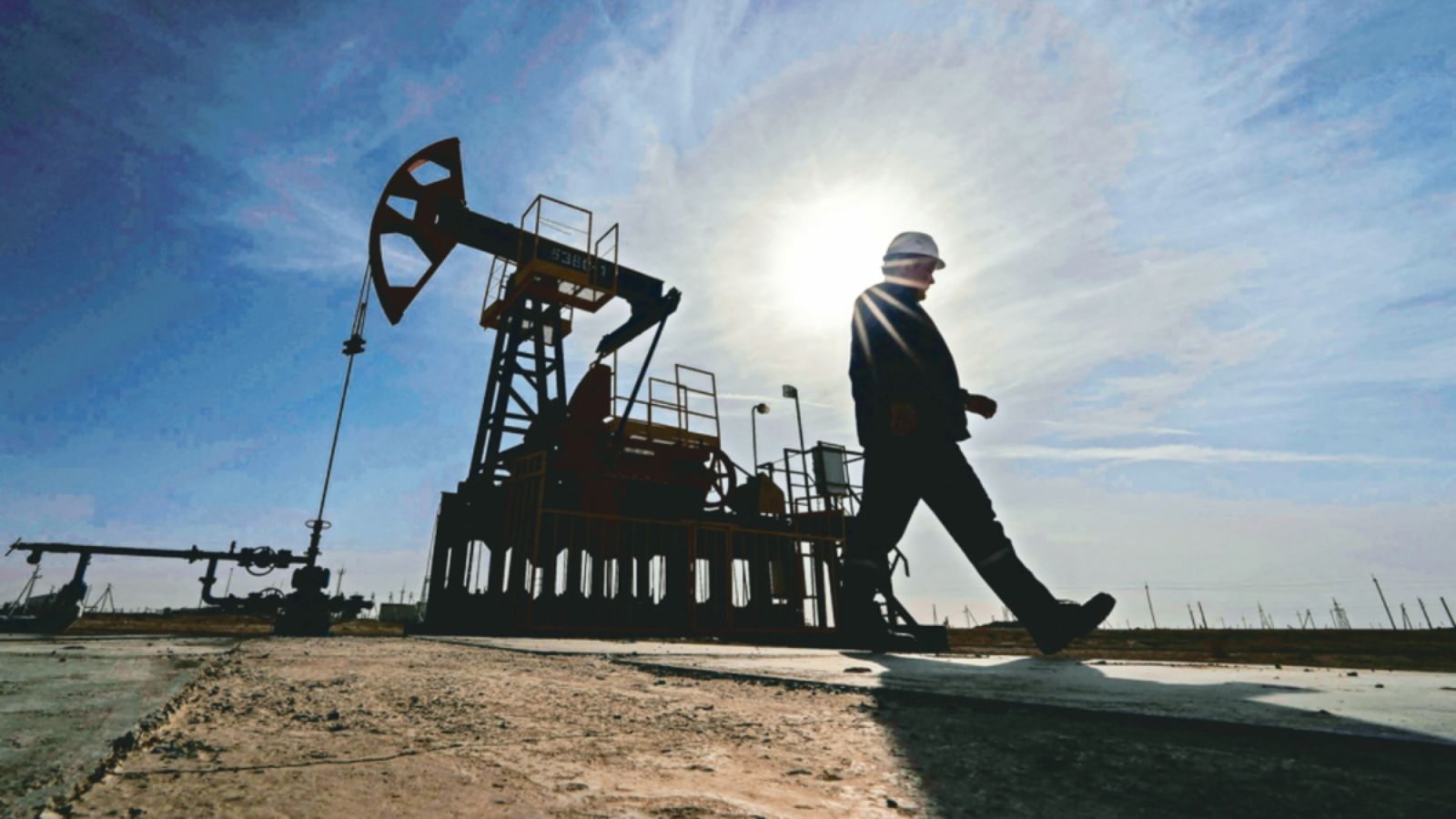
India has two big oil companies, ONGC and OIL, that are owned by the government.
They haven’t found much new oil lately and it costs a lot to look for more.
The price of oil around the world has stayed low, so it’s hard for India to make money from new oil.
The Middle East war has made shipping oil risky, especially near the Strait of Hormuz.
India only has a few days of oil in its emergency stockpile, while other countries have many more days.
The author thinks that selling the oil companies could give the government money to build a bigger emergency oil stash, which might help India stay safe if oil prices rise or shipping gets blocked.

India’s state‑owned petroleum companies ONGC and OIL face declining domestic production and high exploration costs amid a globally oversupplied oil market.
The Middle East conflict has reshaped the international oil landscape, reducing trust in U.S. security guarantees and increasing geopolitical risks to shipping routes like the Strait of Hormuz and Bab el‑Mandeb.
Oil prices have remained below $100 per barrel despite the conflict, indicating a structural oversupply and making high‑cost Indian discoveries less commercially viable.
India currently holds only 6–7 days of strategic crude oil reserves, far below the 90–120 day benchmarks of other major economies, and expanding reserves is slow due to land‑acquisition delays.
The author argues that privatizing ONGC and OIL could free public funds to build a larger strategic reserve, potentially improving energy security in a volatile market.
- Who
- Indian government, ONGC, OIL, author
- What
- Debate over privatizing state petroleum companies
- When
- July 2023
- Where
- India and Middle East
- Why
- Changing oil market dynamics and geopolitical risks
- State-owned companies
- Oil and Natural Gas Corporation (ONGC) and Oil India Limited (OIL)
- Domestic production decline
- ≈20% over the past decade
- Oil price trend
- Below $100 per barrel during the Middle East conflict
- Strategic reserve cover
- 6–7 days of crude oil imports
- Target reserve cover
- 90–120 days for other major economies