

1 hr ago
Amit Shah Sets 2029 Roadmap for Drug-Free India
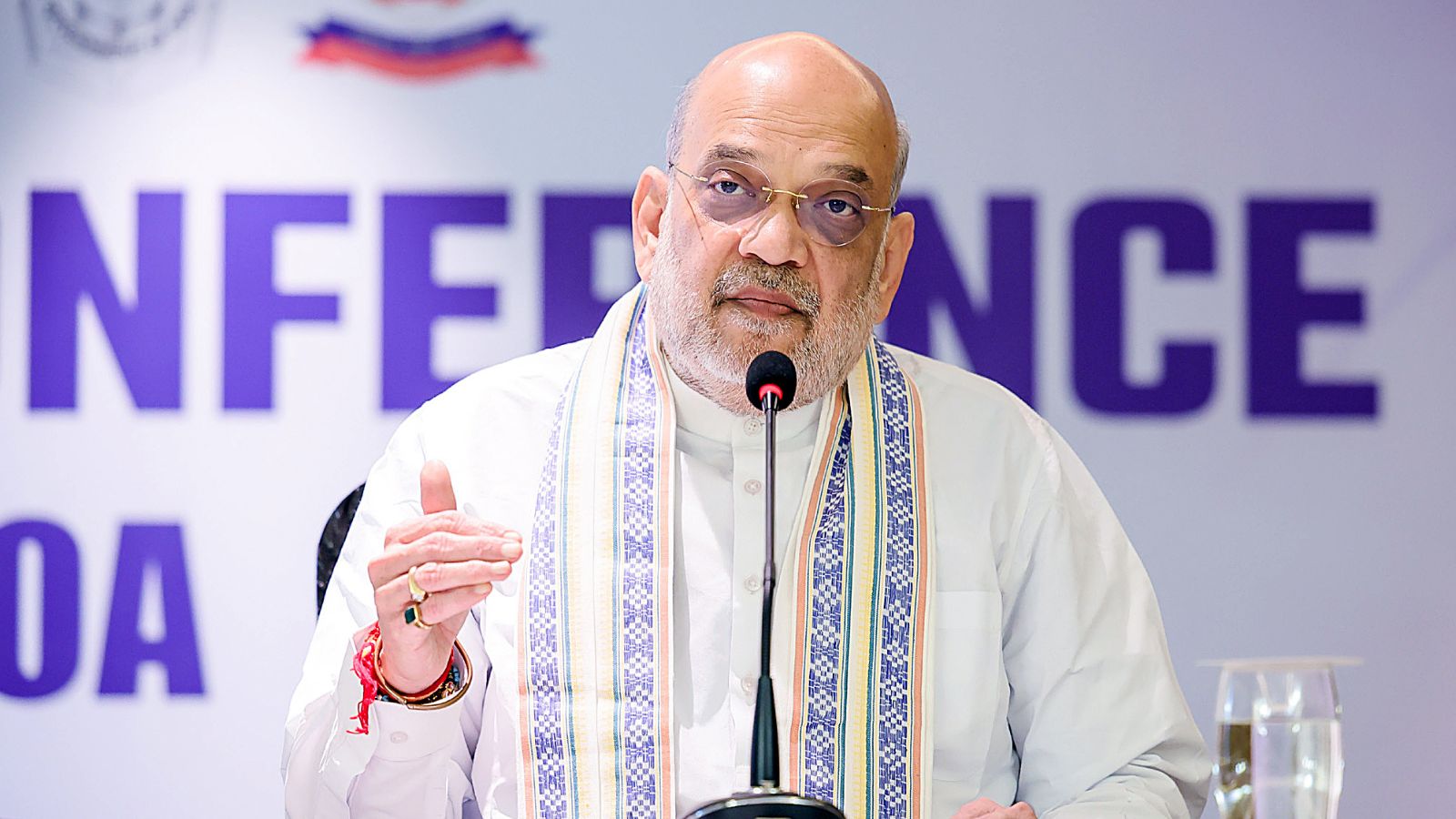
Amit Shah announced a plan to make India drug-free by 2029.
He said illegal drugs harm future generations and can help fund terrorism.
The government plans to work against drug networks, not just seize individual shipments.
The plan will run in mission mode from 2026 to 2029.
It will have deadlines, responsible ministries, regular reviews and measurable results.
Its goals are to reduce the supply of drugs, reduce demand for them and limit the harm they cause.
Shah said drug seizures have increased greatly since 2014.
The plan also includes controlling chemicals used to make synthetic drugs and improving cooperation among agencies.
A BJP event in Goa was shortened because of a deadly building collapse in Delhi.

Union Home Minister Amit Shah called narcotics control India’s biggest national fight after ending Naxalism.
Shah unveiled a three-year, 2026–29 mission-mode roadmap and vision document for narcotics control.
The plan targets supply reduction, demand reduction and harm reduction through four strategic pillars.
Shah said drug seizures rose from 26 lakh kilograms between 2004 and 2014 to more than 1.19 crore kilograms from 2014 to July 2026.
A BJP headquarters inauguration in Goa was curtailed because of the building collapse in Delhi.
- Who
- Union Home Minister Amit Shah announced the roadmap, with state and national agencies expected to implement it.
- What
- A three-year roadmap and vision document aimed at achieving a drug-free India by 2029.
- Where
- At a press conference in Goa; the planned BJP headquarters event was near Panaji.
- When
- The announcement was made on Sunday; the mission-mode period is 2026–29.
- Why
- Shah said narcotics trafficking damages future generations and that drug money can fund terrorism.
Government's Assessment
Previous Government's Record
Approach to narcotics enforcement
Government's Assessment
Amit Shah said the BJP government made narcotics control a national-security priority from 2019, coordinated agencies and shifted from seizure-focused action to investigations targeting entire networks.
Previous Government's Record
Shah characterized the Congress government's pre-2014 action as fragmented, conducted in isolated efforts and limited to small seizures.
Key facts
- Target year
- The government aims to achieve a drug-free India by 2029.
- Mission period
- The roadmap will operate in mission mode from 2026 to 2029.
- Core outcomes
- Supply reduction, demand reduction and harm reduction.
- Four pillars
- Intelligence and operation-based enforcement; precursor and synthetic-drug control; demand and harm reduction; capacity building and coordination.
- Seizures before 2014
- Twenty-six lakh kilograms of narcotics and psychotropic substances were seized from 2004 to 2014.
- Seizures after 2014
- More than 1.19 crore kilograms were seized from 2014 to July 2026, according to Shah.
- Implementation structure
- The government created a four-tier NCORD mechanism and dedicated anti-narcotics task forces in all states and union territories.
Quotes

Pramod Sawant
Goa Chief Minister
“We have created a roadmap to achieve the milestone of making India drug-free by 2029. Narcotics trafficking is a crime that destroys the future generations and the ‘dirty money’ thus funnelled is also used to fund terrorism. Narco-terror modules have come up in several countries and the whole world is plagued by this issue.”
 indianexpress.com
“We will make 2026-29 a mission-mode period. With every goal, there will be a timeline, a ministry responsible, measurable outcomes, quarterly reviews and result-based accountability. The strategy will have three outcomes – supply reduction, demand reduction and harm reduction.”
indianexpress.com
Sources
Related news
Shah Sets 2029 Roadmap for Drug-Free India

Amit Shah Unveils Drug-Free Bharat 2029 Mission in Goa
Maharashtra Approves Multi-Department Plan for Drug-Free State by 2029
Amit Shah Unveils 2047 Blueprint for Infiltrator-Free India

Assam Destroys Rs 300 Crore Drugs During 100-Day Crackdown

NSUI Alleges Delayed Delhi Rescue and BJP-Linked PG Nexus

Venugopal Says Rahul Gandhi Will Lead INDIA Bloc in 2029
Tarigami Challenges Normalcy Claims, Demands Jammu and Kashmir Rights
Neha Bora Calls Swatantra Bhardwaj Criminal, Demands BJP Accountability