

Archive · 3 Aug 2026
Supreme Court to Hear NEET Protest Police Brutality Cases
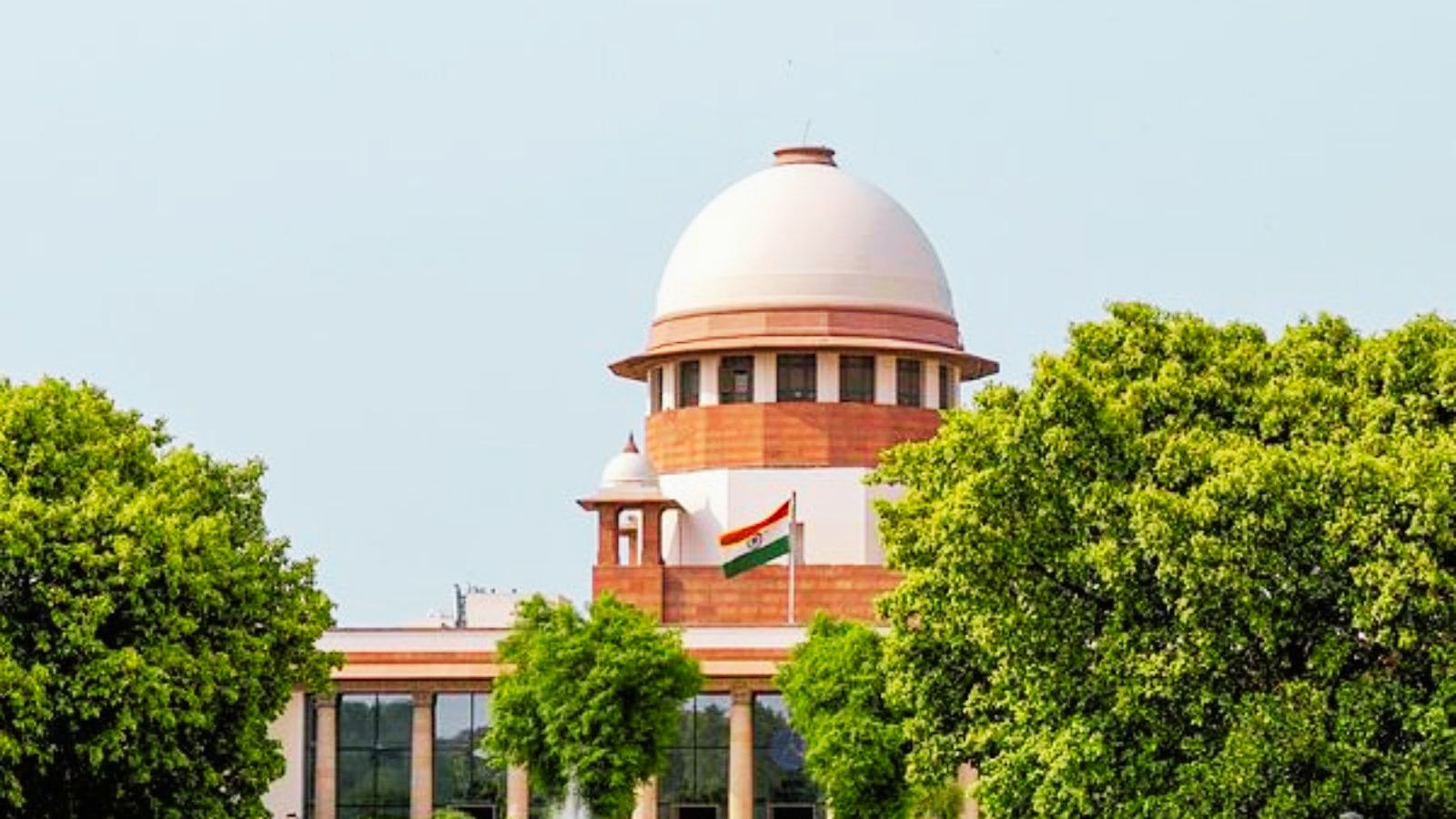
The Supreme Court of India will listen to complaints that police were too rough with students who were protesting for NEET exams.
The court had already told the police to let the kids who were taken away go home if they had no crimes.
It also asked the police to keep all video and phone records safe.
The court wants a special team to look into the police’s actions.
This team will have a top police officer, two senior female police officers, and a retired judge.
The team will be watched by the Supreme Court.
The court also said the police must not do anything harsh to the students.
The hearing will happen on August 3, 2026, in Delhi.
The goal is to make sure the police act fairly and that the students are treated properly.

Supreme Court to hear petitions alleging police brutality against NEET protesters in Delhi’s Jantar Mantar and elsewhere.
Court previously ordered release of minors arrested during protests and directed states to preserve CCTV, drone, body camera footage.
Court directed states to register FIRs on alleged police excesses and to form a Special Investigation Team (SIT).
SIT to include Director General of Police, two senior women IPS officers, guided by a retired High Court judge and monitored by Supreme Court.
Interim measures include protecting personal data in footage and preventing coercive action against students.
- Who
- Supreme Court of India, NEET protesters, police, Manoj Jha, Surya Kant
- What
- Hearing petitions alleging police brutality and forming a Special Investigation Team
- When
- August 3, 2026
- Where
- Delhi’s Jantar Mantar and other locations in Delhi
- Why
- To investigate police excesses and ensure release of minors arrested during protests
- Court
- Supreme Court of India
- Case
- NEET Protest Police Brutality
- Hearing Date
- August 3, 2026
- SIT Composition
- Director General of Police, two senior women IPS officers, retired High Court judge
- Interim Measures
- Release of minors, preservation of footage, protection of personal data, no coercive action