

Archive · 28 Sep 2025
Ganges River Drying Up: A Crisis for Millions
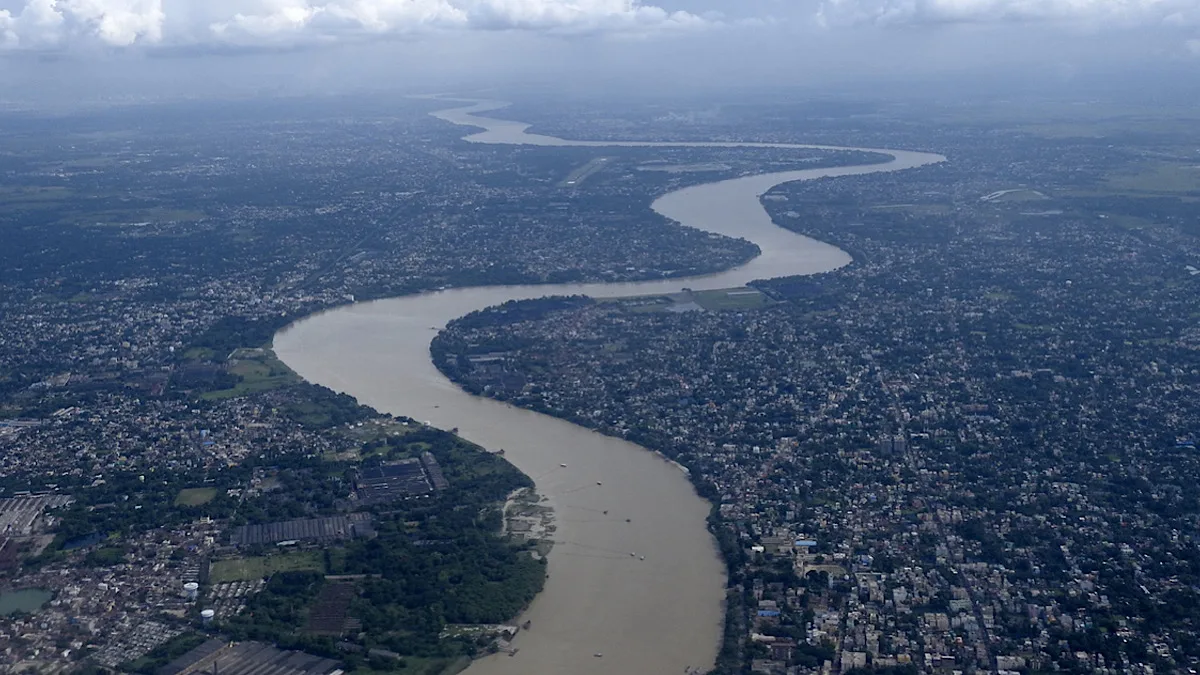
The Ganges River, a crucial water source for millions in India, is drying up faster than ever before.
This is because of climate change, less rain, and people taking too much water out.
The river's flow is decreasing, and boats can't go where they used to.
This puts people's food and water at risk.
Scientists say this is the worst it has been in 1,300 years.
If nothing changes, many people could face food shortages.
To fix this, we need to use water more carefully, and countries need to work together to protect the river.

The Ganges River is drying up at an unprecedented rate.
Climate change and human activity are major contributors to the river's decline.
The drying river threatens food, water, and livelihoods for hundreds of millions.
Scientists have documented alarming transformations across the river basin.
Urgent action is needed to manage water resources and address climate change impacts.
- Who
- Millions of people in South Asia depend on the Ganges.
- What
- The Ganges River is drying up at an unprecedented rate, threatening water, food, and livelihoods.
- When
- The decline is accelerating in recent decades.
- Where
- The Ganges River basin in South Asia.
- Why
- Climate change, erratic monsoons, extraction, and damming are contributing to the issue.
- Affected Population
- Over 650 million people
- River Length
- From the Bay of Bengal
- Basin Support
- A quarter of India’s freshwater, food, and economy
- Groundwater Decline
- 15–20 millimeters per year
- Source Glacier
- Gangotri