

Archive · 23 Jul 2025
Experts Demand GST Cut for Ghee to Benefit Consumers and Producers
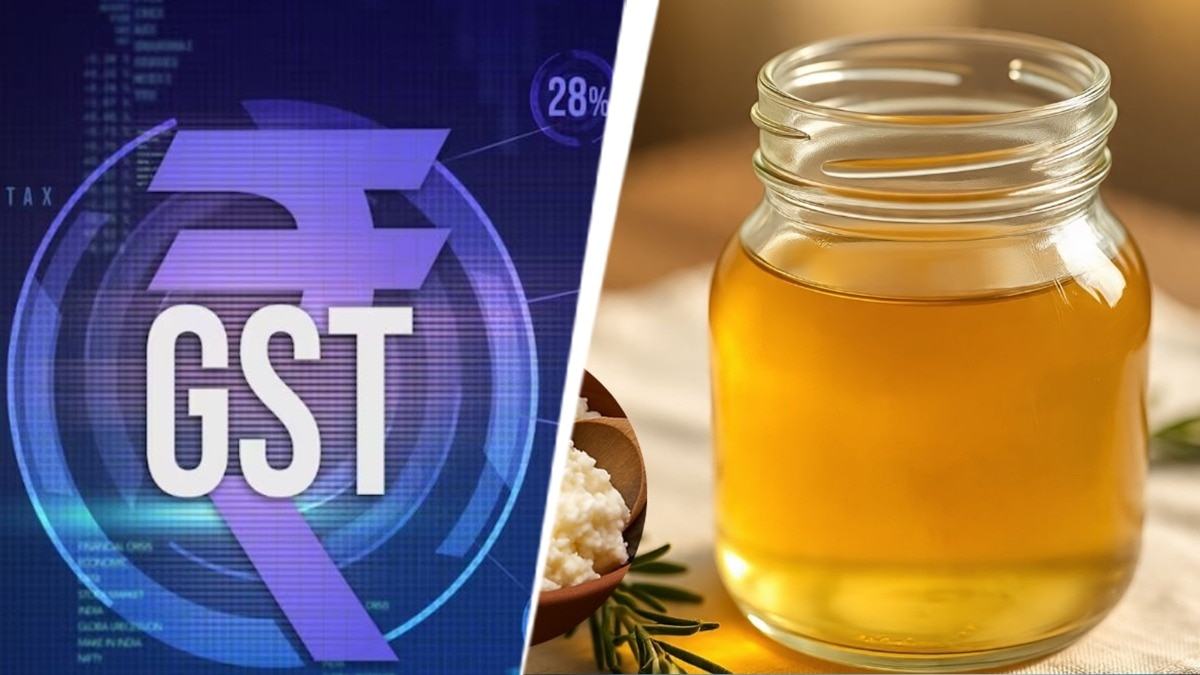
Imagine ghee is like a special, important butter in India, used in cooking and traditions.
Right now, it has a higher tax than other dairy items like yogurt.
Experts want this tax lowered because it makes ghee more expensive for people, which could mean people buy cheaper, less healthy options.
They think a lower tax would encourage people to buy the real, good ghee, help dairy farmers, and even help the government make more money in the long run.
The current tax is seen as unfair to both consumers and producers of quality ghee.

Dairy industry leaders are urging the government to reduce the 12% GST on ghee to 5%.
Experts argue the current tax rate is unfair, considering ghee's cultural significance and role in the rural economy.
The higher tax on ghee is seen to potentially increase adulteration and impact consumer affordability.
Industry leaders believe a lower GST would promote safe, branded products and support dairy farmers.
A reduced GST could strengthen government revenues through increased compliance.
- Who
- Dairy industry leaders and experts
- What
- Industry leaders are requesting a GST reduction on ghee.
- When
- Information is based on recent developments.
- Where
- India
- Why
- To reduce the tax burden, combat adulteration, and support the dairy sector.
Dairy Industry Advocates
Government
Impact on Product Safety and Demand
Dairy Industry Advocates
A 5% GST would reduce adulteration and boost demand for safe, branded ghee.
Government
No opposing viewpoint in this context.
Effects on Affordability and Innovation
Dairy Industry Advocates
The current tax rate hinders innovation and limits affordability.
Government
No opposing viewpoint in this context.
- Current GST on Ghee
- 12%
- Proposed GST on Ghee
- 5%
- Main Argument
- Current tax is unfair and impacts affordability
- Impact
- May increase adulteration
- Market value (2023)
- Rs 3.2 lakh crore
- Ghee's Market Projection
- More than double by 2032