Archive · 4 Sep 2026
Karnataka Cabinet Withdraws Parks Bill Amid Public Opposition
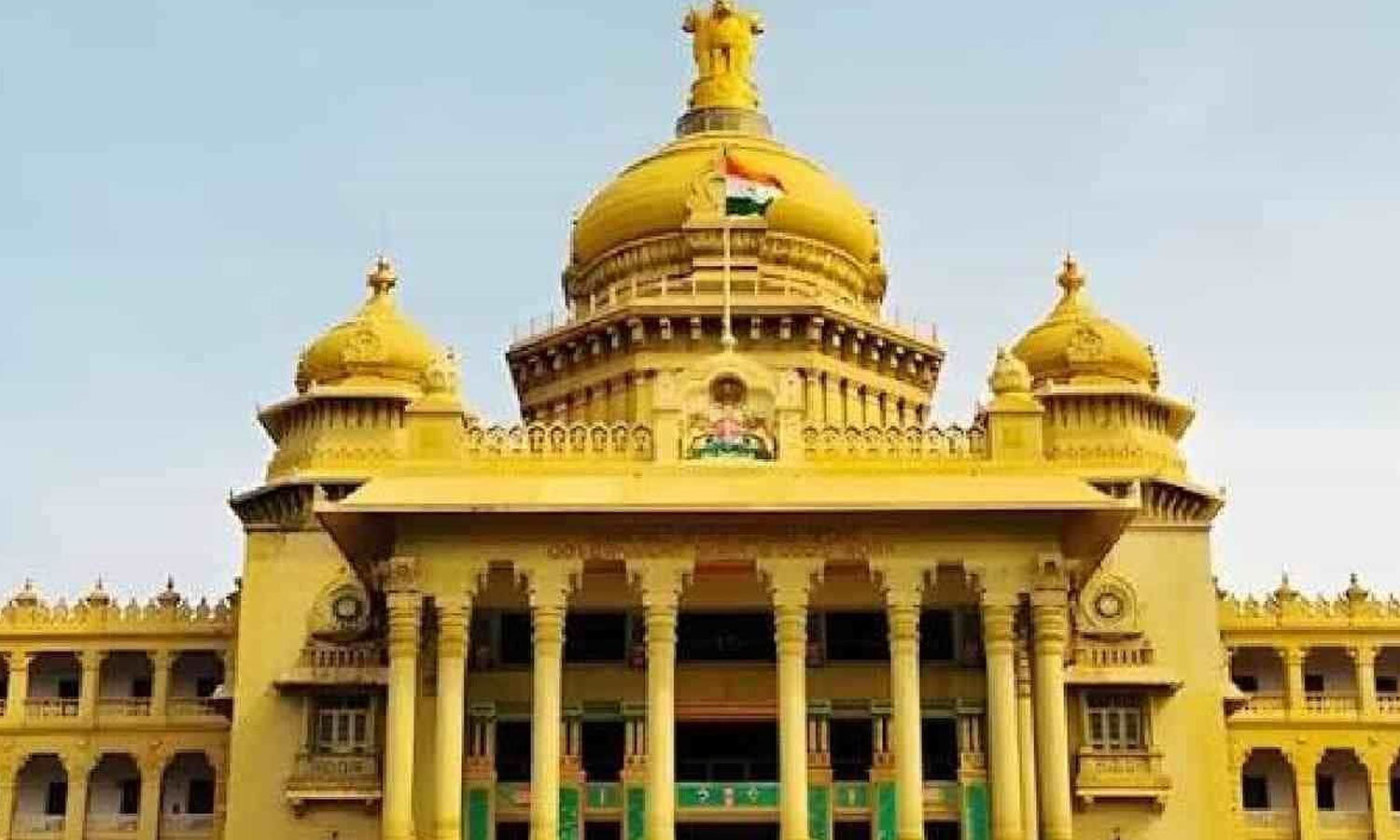
Karnataka had passed a Bill to change the rules for government parks.
The change would have allowed up to five per cent of park land to be used for public projects.
Land could have been sold, leased, gifted, exchanged or mortgaged to certain government bodies.
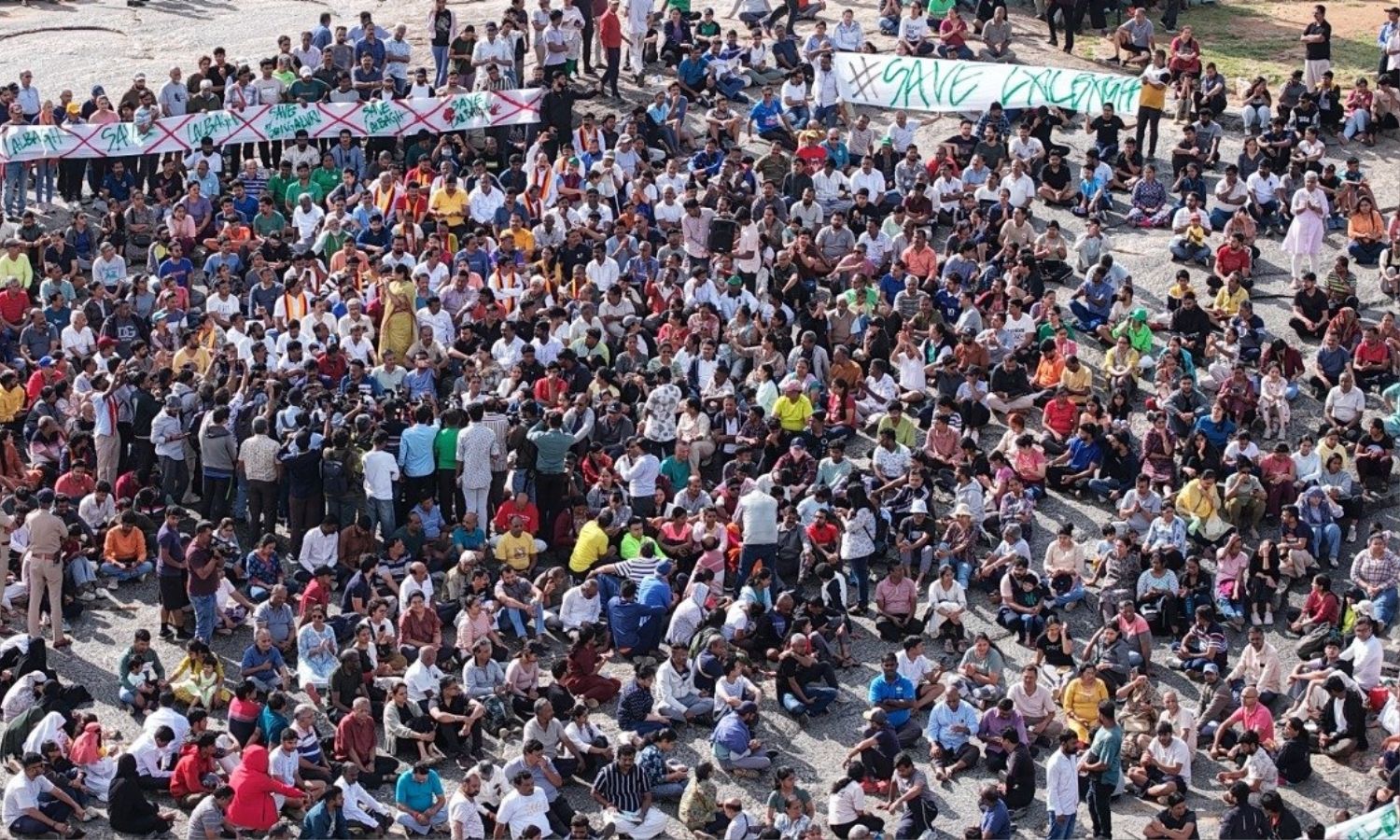
Citizens, environmentalists and opposition parties strongly criticized the plan.
They worried that important green spaces in Bengaluru could be affected.
The government has now decided to withdraw the Bill for more discussion.
It plans to collect public suggestions and make changes.
The Bill may be introduced again in a later Assembly session.

The Karnataka Cabinet decided to withdraw the controversial Parks Amendment Bill after opposition from citizens, environmentalists and political parties.
The Bill proposed allowing up to five per cent of government park and garden land to be transferred for public purposes.
Permitted transfers included sale, lease, gift, exchange or mortgage to government departments, statutory bodies, government companies or local authorities.
The government will place the legislation in the public domain, seek suggestions and reconsider provisions before possibly reintroducing it in the next Assembly session.
Critics feared the amendment could enable diversion of Bengaluru green spaces, including Lalbagh, for infrastructure projects.
- Who
- The Karnataka Cabinet, Chief Minister D K Shivakumar, Deputy Chief Minister G Parameshwara, environmentalists, citizens and Opposition parties.
- What
- The Cabinet decided to withdraw the Parks Amendment Bill and reconsider its provisions.
- When
- Thursday, September 3, according to the PTI report.
- Where
- Karnataka, particularly Bengaluru's parks and green spaces.
- Why
- The decision followed protests and concerns that the amendment could allow park land to be diverted for public infrastructure projects.
Government's Position
Critics' Concerns
Purpose of the amendment
Government's Position
The government said the provision was intended for public utility and infrastructure projects involving government or other public authorities.
Critics' Concerns
Citizens, environmentalists and Opposition parties feared it could facilitate the diversion of green spaces for infrastructure.
Impact on Lalbagh
Government's Position
G Parameshwara rejected the interpretation that the government intended to take five per cent of Lalbagh or a fixed five-acre section for a tunnel road project.
Critics' Concerns
Critics raised concerns that Bengaluru parks, including Lalbagh, could be affected under the proposed amendment.
Bill's future
Government's Position
The government said it would clarify provisions on lease, sale, gift and other forms of alienation before potentially reintroducing the Bill.
Critics' Concerns
Opposition to the original proposal led to protests and demands for reconsideration, prompting the withdrawal.
- Proposed land limit
- Up to five per cent of government park and garden land.
- Permitted uses
- Public utility and infrastructure projects.
- Possible transfers
- Sale, lease, gift, exchange, mortgage or other forms of alienation.
- Eligible recipients
- Government departments, statutory authorities, government companies and local authorities.
- Next steps
- The government will publish the proposal for discussion, seek suggestions and consider amendments.
- Possible reintroduction
- The Bill may be brought back in a different form during the next Assembly session.
- Proposed safeguards
- The amendment included a five-per-cent ceiling, including land previously alienated, and an evaluation mechanism involving senior officials and domain experts.