Archive · 12 Nov 2025
India Unifies Labour Laws with Four Comprehensive Codes for Modern Workforce
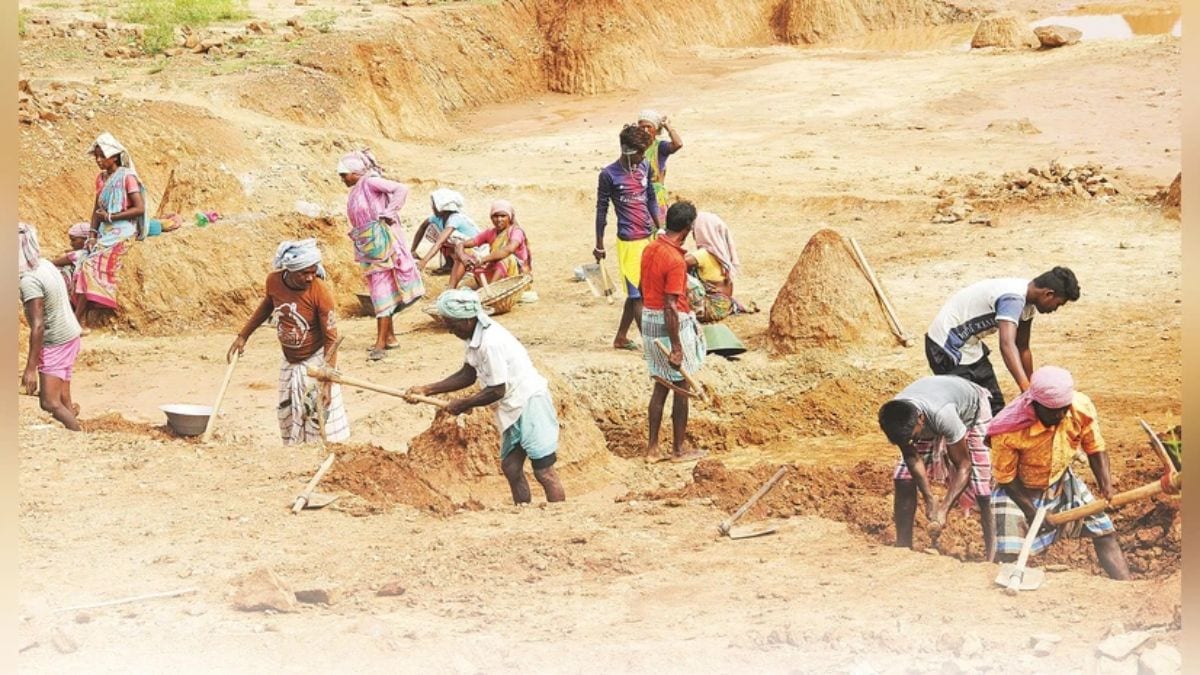
India is making its old labour rules much simpler by combining many old laws into just four new ones.
Think of it like organizing a messy toy box into neat, labeled containers.
This helps businesses, especially small ones, by making it easier to follow the rules and grow.
It also helps workers by making sure they get paid fairly and on time, and that their workplaces are safe.
These new rules also include people who work on apps or do short-term jobs, making sure they get benefits like health insurance too.
The new laws also aim to help women get more job opportunities and ensure they are treated equally.
For investors, this means India is a more stable place to do business.
It's like creating a fairer and more efficient system for everyone involved in work.

India has consolidated over 29 central labour laws into four comprehensive Labour Codes to create a modern, inclusive, and responsive labour ecosystem.
The four Codes aim to simplify compliance for enterprises, particularly MSMEs and start-ups, offering flexibility and reducing the regulatory burden.
Worker protections are strengthened through universal minimum wages, timely payments, enhanced workplace safety, welfare facilities, and broader social security coverage.
Gig and platform workers are formally recognized and included, receiving protection and social security benefits, bridging the gap between traditional and new work forms.
The reforms promote gender equity by ensuring equal pay, enhancing maternity benefits, providing crèche facilities, and easing restrictions on women's working hours with safety safeguards.
- Who
- The Government of India, through the consolidation of labour laws into four comprehensive Labour Codes.
- What
- Consolidation of over 29 central labour laws into four comprehensive Labour Codes aimed at modernizing the labour ecosystem, enhancing competitiveness, and ensuring worker rights and dignity.
- When
- This reform marks the beginning of a new chapter, with the success dependent on future smooth implementation.
- Where
- India.
- Why
- To build a modern, inclusive, and responsive labour ecosystem that supports business competitiveness, protects worker rights, addresses the realities of a changing economy (technology, new employment forms), and ensures inclusive, sustainable, and future-ready growth.
Industry Perspective
Worker/Societal Perspective
Simplification and Flexibility
Industry Perspective
The Labour Codes simplify compliance, reduce the burden on enterprises with unified definitions and streamlined processes, and offer flexibility through provisions like fixed-term employment and modern dispute resolution, which are crucial for competitiveness in a global environment.
Worker/Societal Perspective
While simplifying compliance, the Codes ensure fairness for workers by guaranteeing universal minimum wages, timely payments, strengthened workplace safety, mandated welfare facilities, and periodic health check-ups.
Addressing New Employment Forms
Industry Perspective
The formal recognition of gig and platform workers and aggregators, along with provisions for their protection, provides a foundation for inclusive growth and helps businesses adapt to the rapidly changing economy.
Worker/Societal Perspective
The formal recognition of gig and platform workers ensures they receive protection with schemes covering health, maternity, insurance, and old-age benefits, bridging the gap between traditional and new work forms and preventing exclusion.
Compliance and Regulation
Industry Perspective
Decriminalisation of minor offences, substituting imprisonment with monetary fines, fosters a more trust-based compliance environment, reduces unnecessary litigation, and encourages self-regulation.
Worker/Societal Perspective
The Codes strengthen the social contract between employers and employees by upholding the dignity of work and ensuring social security benefits are extended to a wider base of workers, including previously excluded groups and interstate migrant workers.
- Consolidated Laws
- 29 central labour laws unified into 4 comprehensive Labour Codes.
- Four Labour Codes
- Wages; Industrial Relations; Social Security; Occupational Safety, Health, and Working Conditions.
- Benefits for Enterprises
- Simplified compliance, unified definitions, streamlined licensing, single-window clearances.
- Support for MSMEs & Start-ups
- Reduced compliance complexity, enabling faster scaling and market participation.
- Gig & Platform Workers
- Formal recognition and protection with social security schemes (health, maternity, insurance, old-age benefits).
- Gender Equity Measures
- Equal pay for equal work, enhanced maternity benefits, crèche facilities, eased restrictions on women's working hours with safety safeguards.
- Investor Confidence
- Creation of a predictable and business-friendly labour regime.
Sources
Digital labour chowk app, online cess collection portal launched

Centre urges states to support PMVBRY, launches Digital Labour Chowk and BOCW Cess Portal
States, Union Territories should collaborate with Centre to ensure welfare benefits reach every worker: Mandaviya