

Archive · 28 Sep 2026
India-Canada CEPA Talks Accelerate Ahead of Modi’s Possible December Visit
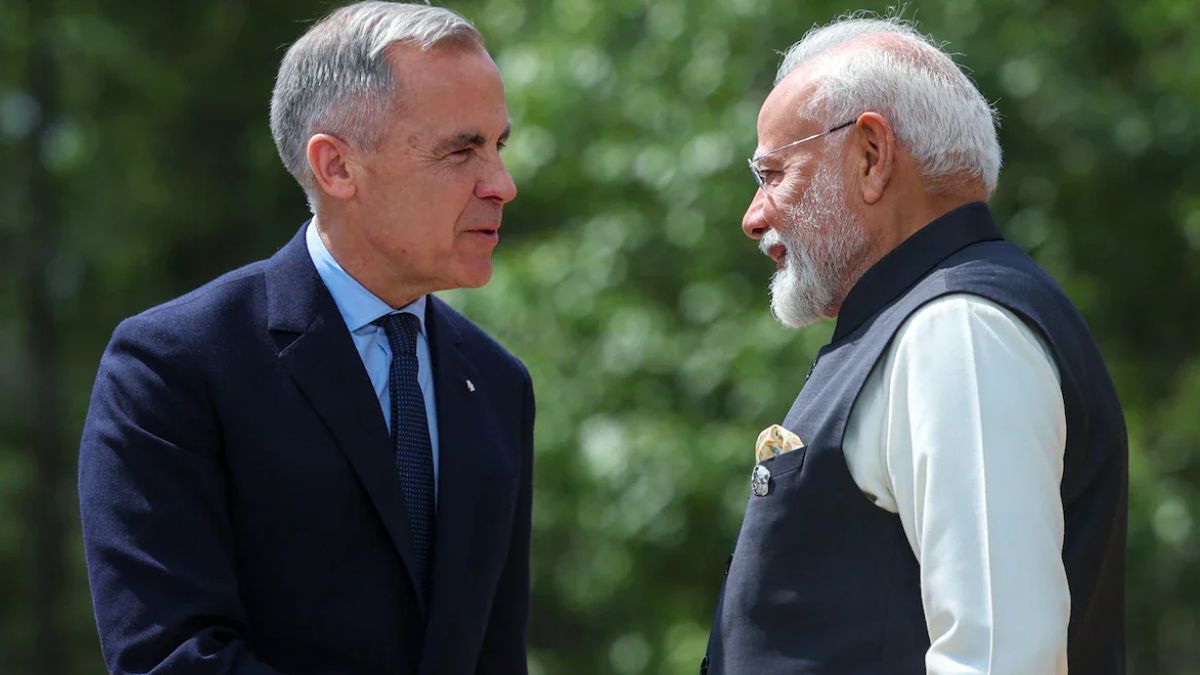
India and Canada are working on a large trade agreement called the CEPA.
The agreement could help increase trade between the two countries to $50 billion by 2030.
Their negotiators will meet in Canada starting October 5.
Canada’s trade minister may then visit India and meet India’s commerce minister.
Officials say they have solved many important issues.
Some remaining disagreements may need decisions from the ministers.
Prime Minister Narendra Modi may visit Canada in December.
The visit could be a chance to sign the agreement if the talks finish.
However, the final agreement is not certain because some differences remain.

India and Canada will hold the fifth round of CEPA negotiations from October 5, potentially through October 9, in Canada.
Canadian Trade Minister Maninder Sidhu may visit New Delhi around October 15 to meet Commerce Minister Piyush Goyal.
Officials say most major issues have been resolved, but some contentious matters may require political-level decisions.
Prime Minister Narendra Modi is expected to visit Canada in December, potentially creating an opportunity to sign the agreement.
The CEPA aims to increase bilateral trade to $50 billion by 2030, although its final text and exact coverage remain undisclosed.
- Who
- India and Canada, including Prime Minister Narendra Modi, Canadian Prime Minister Mark Carney, Trade Minister Maninder Sidhu, Commerce Minister Piyush Goyal, External Affairs Minister S. Jaishankar, and Foreign Minister Anita Anand.
- What
- The countries are accelerating negotiations on a Comprehensive Economic Partnership Agreement intended to expand trade and investment ties.
- When
- The fifth negotiating round is scheduled for October 5, potentially ending October 9; Sidhu may visit India around October 15, and Modi is expected to visit Canada in December.
- Where
- The fifth negotiation round is planned in Canada, while Sidhu may visit New Delhi; Jaishankar and Anand also met in New York on the sidelines of the United Nations General Assembly.
- Why
- Both governments want to strengthen economic and strategic ties, diversify trade and supply chains, and resolve remaining issues in the CEPA negotiations.
Optimistic assessment
Cautious assessment
Readiness of the agreement
Optimistic assessment
Officials and political leaders say the negotiations are making good progress, with most key issues reportedly resolved and only some matters requiring ministerial intervention.
Cautious assessment
The agreement is not final until all issues are settled, and the final text has not been made public, so its precise coverage remains unknown.
Potential December signing
Optimistic assessment
Modi’s expected December visit to Canada could provide an opportunity to sign the CEPA, according to reported expectations.
Cautious assessment
A December signing is not guaranteed because remaining differences must still be resolved; the stated government target is also described elsewhere as the end of 2026.
Wider bilateral relationship
Optimistic assessment
The two countries are rebuilding ties through high-level meetings, trade negotiations and cooperation on investment, energy and critical minerals.
Cautious assessment
The trade push follows the serious 2023 diplomatic dispute, during which both countries expelled diplomats and reduced their diplomatic presence.
- Trade agreement
- India-Canada Comprehensive Economic Partnership Agreement (CEPA)
- Trade target
- Increase bilateral trade to $50 billion by 2030
- Next negotiation round
- Scheduled for October 5 in Canada, potentially continuing through October 9
- Possible ministerial visit
- Maninder Sidhu may visit New Delhi around October 15 to meet Piyush Goyal
- Possible Modi visit
- Narendra Modi is expected to visit Canada in December; one report says the trip could coincide with signing the deal
- Negotiation timeline
- The governments have committed to concluding negotiations by the end of 2026, while another report says the talks are being targeted for completion by the end of the year
- Strategic cooperation
- A bilateral strategy covers nuclear energy, critical minerals, clean energy and allied sectors
