

9 months ago
Moss Spores Survive Nine Months in Space
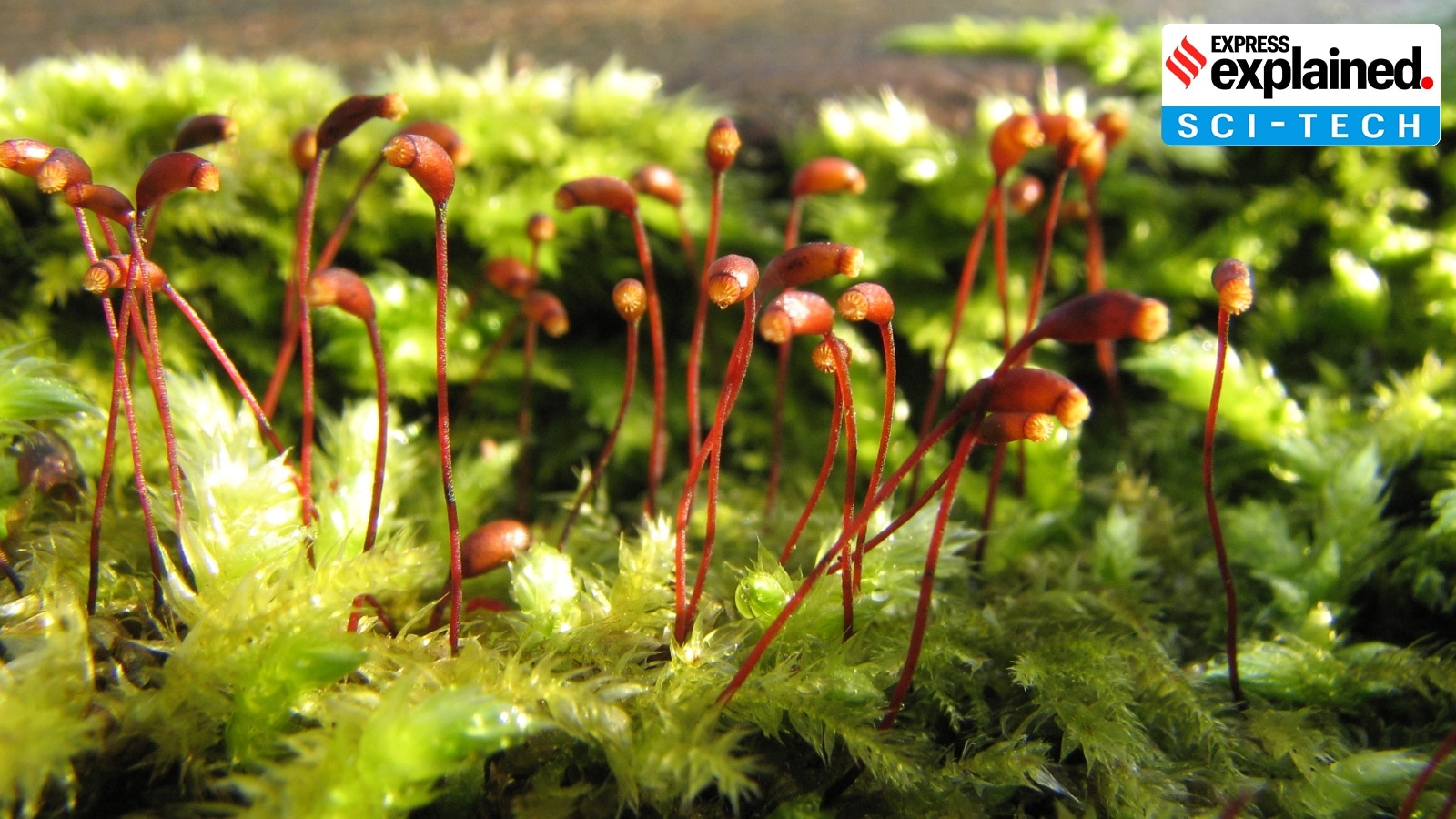
Scientists found that tiny moss plants can live in space for a long time.
This is good news because it might help us make homes on other planets in the future.
The mosses stayed healthy because they have strong protective layers around their seeds.
They can also help make air breathable and control moisture in space habitats.

Moss spores survived 283 days in space with 80% viability upon return
Study published in iScience journal
Moss's resilience due to multi-layered spore walls
Survival opens possibilities for space habitats
Moss could help in oxygen generation and humidity control
- Who
- A team of scientists led by Tomomichi Fujita from Hokkaido University
- What
- Conducted a study on moss spore survival in space
- Where
- International Space Station (ISS)
- When
- March 2022 to January 2023
- Why
- To explore the potential of moss for sustainable life-support systems in space
Proponents of Space Exploration
Cautious Scientists
Potential for Space Habitats
Proponents of Space Exploration
Moss survival opens possibilities for expanding human habitats beyond Earth.
Cautious Scientists
More research is needed to ensure moss can thrive and provide benefits in long-term space missions.
Key facts
- Plant Species
- Physcomitrium patens
- Exposure Duration
- 283 days
- Survival Rate
- 80%
- Germination Rate
- 89% of survivors
- Publication
- iScience journal
Quotes
Tomomichi Fujita
Lead author of the study, Hokkaido University, Japan
“While moss may not be on the menu, its resilience offers insights into developing sustainable life-support systems in space. Mosses could help with oxygen generation, humidity control or even soil formation.”
 indianexpress.com