

Archive · 18 Jul 2025
UK Lowers Voting Age to 16: Controversy and Concerns Emerge
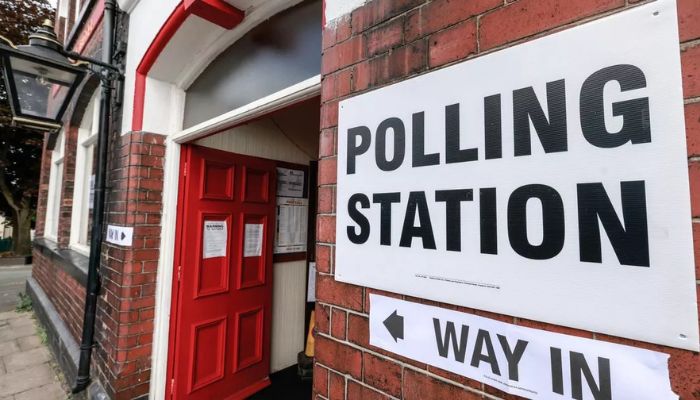
The UK has decided that 16 and 17-year-olds can vote in elections now.
Some people think this is a bad idea because young people's brains are still developing and they might not understand all the issues.
Also, they might not know much about how the government works, and they could be easily influenced by others.
Some data shows that young people don't always vote, even when they can.
Critics are worried this could weaken democracy if young voters aren't well-informed or don't participate much.
It's also inconsistent, as 16-year-olds can't do many things adults can.

The UK lowered the voting age to 16 in all UK elections.
Critics argue 16-year-olds lack cognitive maturity for complex decision-making.
Civic literacy gaps and lack of life experience are concerns.
Evidence suggests low engagement and turnout among younger voters.
The new voting age creates legal inconsistencies with other age-based rights.
- Who
- The UK government and 16 and 17-year-olds.
- What
- The UK lowered the voting age to 16.
- When
- Announced on Thursday, July 17th, affecting elections within two years.
- Where
- United Kingdom.
- Why
- The government's intention is to increase democratic participation.
Supporters
Critics
Potential Benefits vs. Concerns
Supporters
Voting at 16 would restore trust in democracy.
Critics
The new rule may weaken democracy.
- Voting Age Change
- Lowered to 16
- Implementation Timeline
- Within two years
- 16-17s intent to vote (polling)
- 18% expressed definite intent to vote
- Turnout (18-24 year olds, 2019 UK election)
- 47%
- Turnout (over 65s, 2019 UK election)
- 74%