

Archive · 24 Aug 2025
India's Dual Missile Strategy: BrahMos' Speed vs. Nirbhay's Stealth
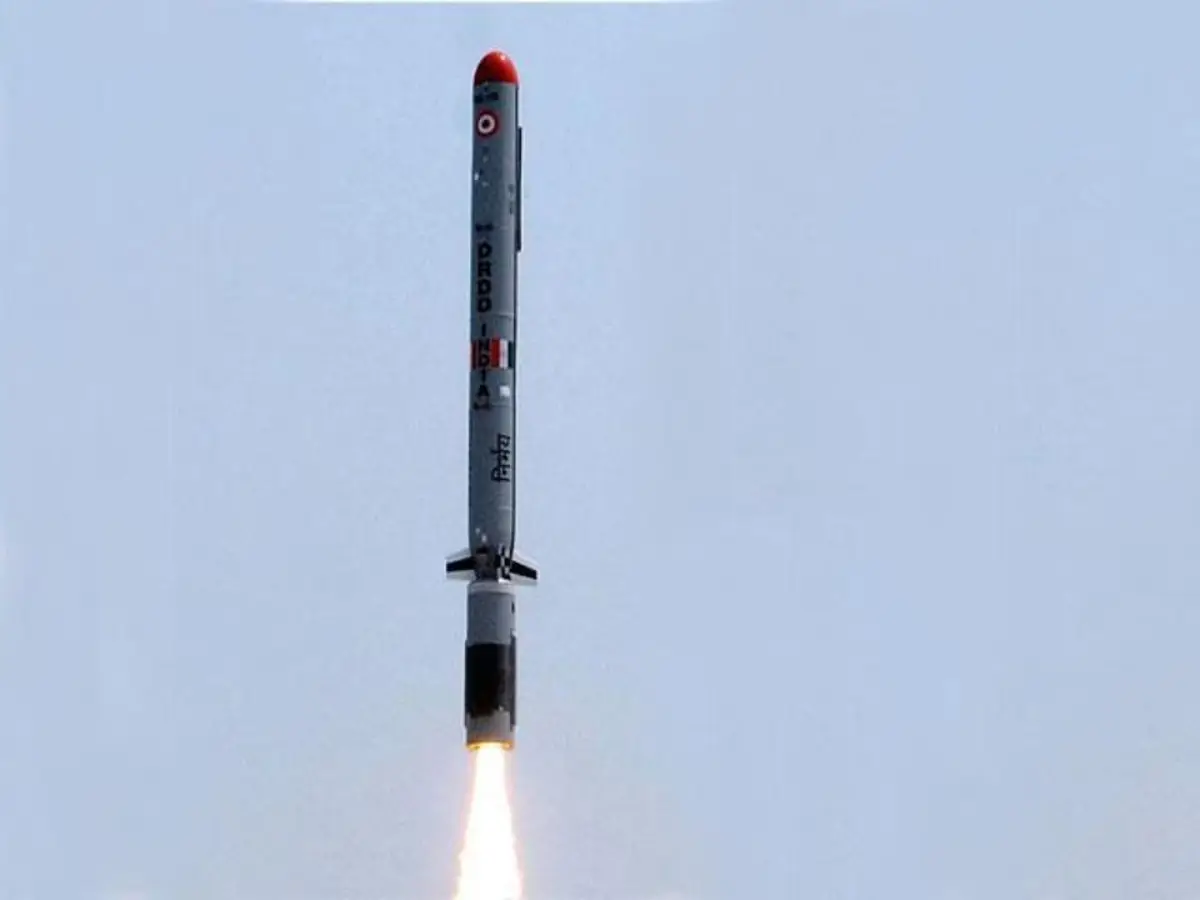
India uses two different types of missiles: BrahMos, which is super fast like a sports car, and Nirbhay, which is slower but sneaky, like a stealth plane.
BrahMos is great for hitting important, strong targets quickly.
Nirbhay is cheaper, can fly further, and is harder for enemies to see because it flies low and slow.
India made Nirbhay all by itself!
Both missiles help India protect itself in different ways.
It's like having a hammer and a scalpel—you need different tools for different jobs, and they both help keep you safe.
Together they give India a strong defense.

India's military deploys two cruise missiles: the high-speed BrahMos and the stealthy Nirbhay.
BrahMos is faster and designed for high-impact missions, while Nirbhay is stealthier and cost-effective for strategic strikes.
Nirbhay offers greater platform flexibility and can carry conventional or nuclear warheads.
Nirbhay has a longer range and can fly at low altitudes, enhancing stealth capabilities.
Both missiles are part of India's defense strategy, with Nirbhay representing indigenous technology.
- Who
- India's armed forces utilize BrahMos and Nirbhay missiles.
- What
- India is developing and deploying two different cruise missiles, BrahMos and Nirbhay, each with different strengths.
- When
- As of November 2023, the Ministry of Defence is considering proposals for Nirbhay induction.
- Where
- India deploys both BrahMos and Nirbhay missiles along the Line of Actual Control.
- Why
- To provide a layered defense strategy, offering both speed and stealth capabilities, and cost-effective options for various military scenarios.
- BrahMos Speed
- Mach 2.8-3.0 (3,400-3,700 km/hr)
- Nirbhay Speed
- Mach 0.7 (860 km/hr)
- BrahMos Range
- Up to 600 km
- Nirbhay Range
- 800-1,000 km
- BrahMos Cost
- $5 million (₹43.5 crore) per unit
- Nirbhay Cost
- Around $1.5 million (₹13 crore) (Tomahawk-like)
- BrahMos Weight
- 3,000 kilograms
- Nirbhay Weight
- 1,500 kilograms