

Archive · 2 Oct 2026
Room rotting: Why Gen Z favors hotel rest over sightseeing
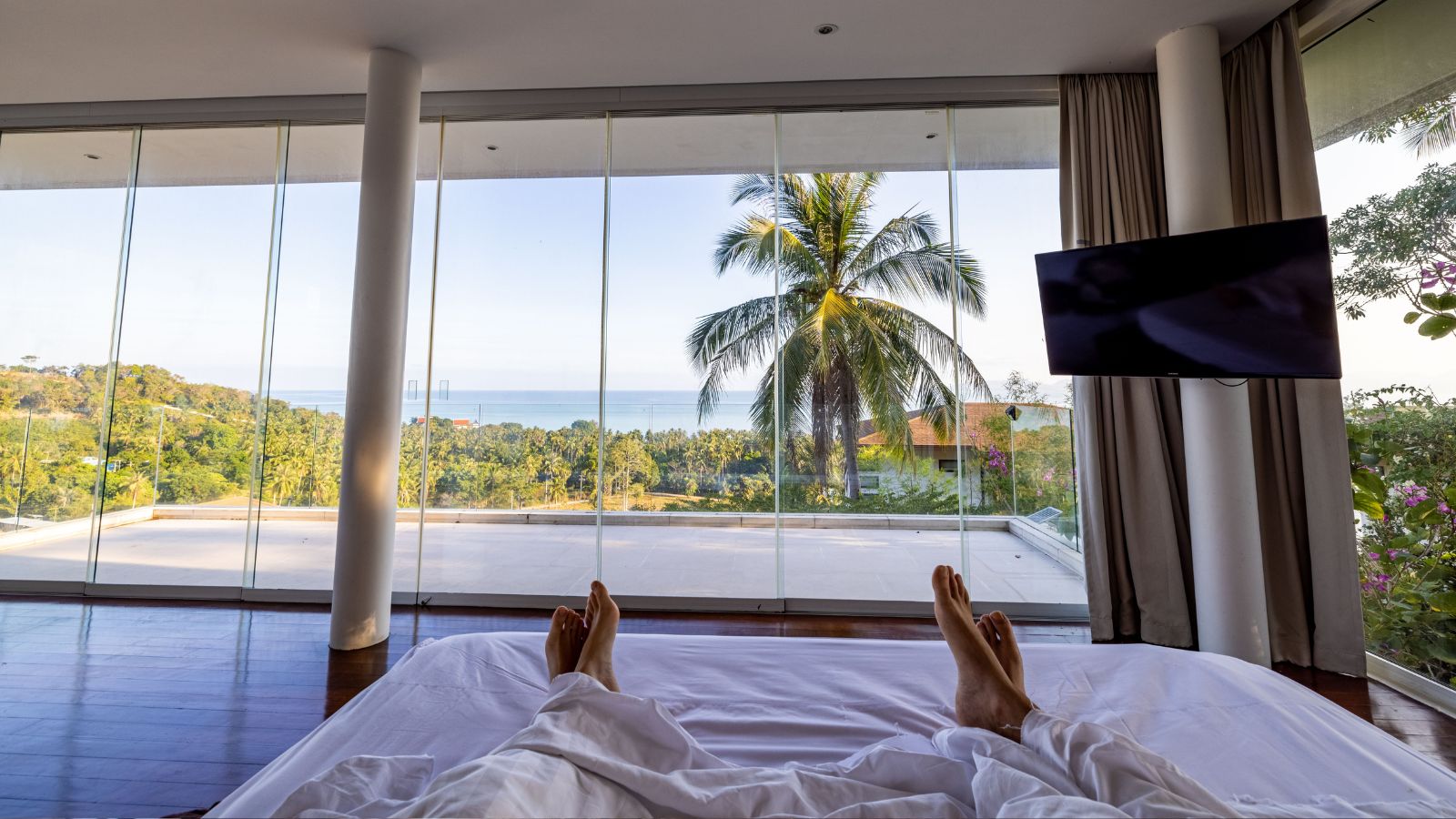
Room rotting means choosing to spend a holiday relaxing in a hotel room instead of visiting many attractions.
Some Gen Z travellers like this because they are already tired before their trips begin.
They may also feel tired of planning every minute and proving that their holiday was worthwhile.
Resting can be a real part of a good holiday when it is chosen on purpose.
Someone might sleep longer, read, watch something, order food or look out the window.
But staying inside can be less helpful if a person only scrolls, feels guilty or avoids everything because leaving feels too hard.
Experts say travellers should not feel bad about having an empty day.
They also recommend balancing quiet time with some experiences and social interaction.

“Room rotting” describes spending much of a holiday in a hotel room instead of following a packed sightseeing schedule.
Experts say exhaustion, decision fatigue and pressure to document trips are driving some travellers toward unstructured downtime.
Intentional rest can include sleeping, reading, ordering room service or simply enjoying the view from the room.
Psychologists distinguish restorative rest from avoidance marked by doom-scrolling, guilt, anhedonia or discomfort with novelty.
Experts recommend building blank spaces into itineraries while maintaining a balance between relaxation and new experiences.
- Who
- A growing number of Gen Z travellers, along with psychologists and other mental-health experts discussing the trend.
- What
- The rise of “room rotting,” or spending much of a holiday resting in a hotel room rather than following a packed sightseeing itinerary.
- When
- The article describes it as a current, growing travel trend.
- Where
- In hotel rooms during holidays; no specific destination is identified.
- Why
- Travellers may be exhausted, want fewer decisions, feel pressure from checklist-style travel, or seek intentional rest and mental decompression.
Intentional Rest
Potential Avoidance
Meaning of staying in
Intentional Rest
Staying in can be a deliberate way to recover from exhausting routines, reduce decision-making and enjoy a meaningful holiday without guilt.
Potential Avoidance
Staying in may reflect avoidance when leaving feels disproportionately difficult and the person transfers doom-scrolling or emotional numbing from home to the trip.
How to judge the experience
Intentional Rest
An empty afternoon has served a purpose if it leaves the traveller calmer, more refreshed and less mentally exhausted.
Potential Avoidance
The pattern may be concerning if nothing feels rewarding, self-criticism is strong, novelty feels overwhelming or the traveller feels no more restored afterward.
Ideal trip structure
Intentional Rest
A holiday does not need to be packed with activities; intentionally scheduled blank spaces can be part of the experience.
Potential Avoidance
Room time should not become an automatic way to avoid experiences or social interaction throughout the entire trip; experts recommend balance.
- Trend
- “Room rotting” involves spending much of a trip in a hotel room with few or no plans.
- Main group
- The trend is described as gaining popularity among Gen Z travellers.
- Reasons
- Exhaustion, decision fatigue, itinerary pressure and the desire to avoid performing a holiday for others are cited as drivers.
- Intentional rest
- Restful downtime may involve sleeping, reading, ordering room service, watching something or sitting by a window.
- Warning signs
- Anhedonia, loud self-criticism, doom-scrolling, emotional numbing and difficulty tolerating novelty may indicate a struggle to switch off.
- Expert advice
- Travellers can deliberately leave parts of their itineraries unstructured while balancing downtime with experiences and social interaction.