

Archive · 11 Nov 2025
Gaza Partition Looms as Trump Peace Plan Stalls Amidst Disagreement
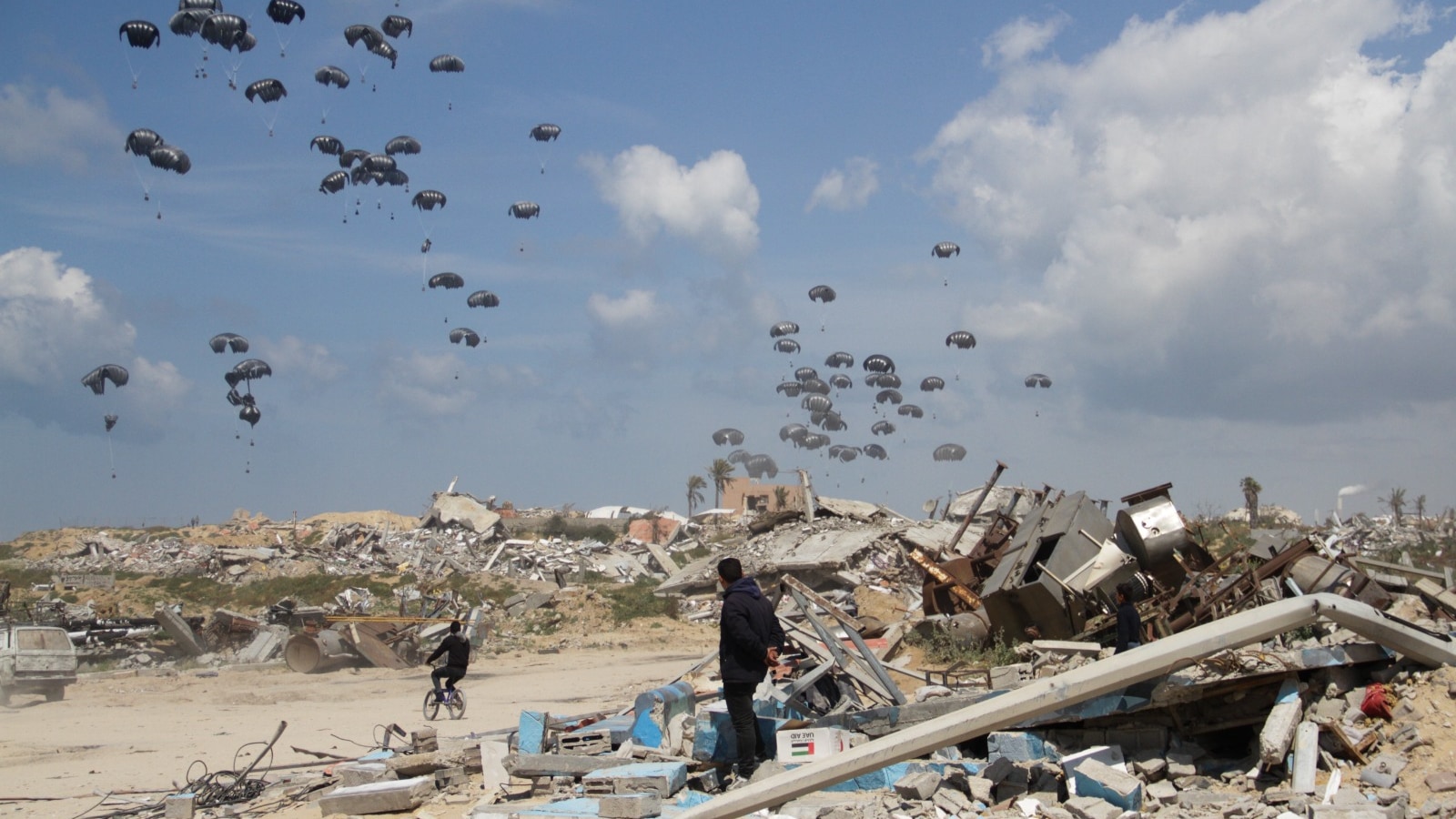
Imagine Gaza is like a big house that's been broken up.
One part is managed by Israel, and the other part is still run by Hamas.
There was a plan, supported by Donald Trump, to fix the house and make things better, but it's not working out.
The plan had steps like Israel moving back, new people taking care of security, Hamas giving up their weapons, and then rebuilding everything.
However, Hamas doesn't want to give up its weapons to Israel, and Israel doesn't want the Palestinian Authority (who usually help run things) to be in charge.
Many countries are also unsure about sending their soldiers to help keep the peace if it means fighting with Hamas.
Because of these disagreements, the line dividing the two parts of Gaza might become permanent.
This means rebuilding might only happen in the Israeli-controlled part, and it makes it harder for all Palestinians to have their own country later.
People are worried this division will last a very long time and make life even harder for everyone in Gaza.

A de facto partition of Gaza into Israeli-controlled and Hamas-controlled areas is increasingly likely as U.S. President Trump's plan to end the war falters.
Efforts to advance the next stage of the plan, including Israeli withdrawal, a transitional authority, and a multinational security force, are stalled due to disagreements.
Hamas refuses to disarm, Israel rejects Palestinian Authority involvement in governing Gaza, and countries are hesitant to commit troops to a multinational force.
Reconstruction efforts may be limited to the Israel-controlled area, raising concerns about long-term division and setting back Palestinian aspirations for statehood.
Israeli forces have established a buffer zone along a demarcated 'yellow line', while Hamas has reasserted control in Palestinian areas.
- Who
- Israel, Hamas, U.S., European officials, Jordanian foreign minister, Palestinian Authority, and Palestinian citizens of Gaza.
- What
- A de facto partition of Gaza between Israeli-controlled and Hamas-controlled areas is increasingly likely as efforts to advance U.S. President Donald Trump's plan to end the war falter.
- When
- The first stage of the plan took effect on October 10. Discussions and statements occurred in November and 'this month' (referring to the time of the article).
- Where
- Gaza, with specific reference to the 'yellow line' demarcation, Shejaiya neighborhood in Gaza City, and the southern area of Rafah.
- Why
- The plan falters due to disagreements on Hamas disarmament, the role of the Palestinian Authority, and the establishment of a multinational security force, leading to a potential indefinite division of Gaza and hindering reconstruction.
Hamas and Palestinian Authority
Israel and U.S. (Trump Administration)
Disarmament and Authority
Hamas and Palestinian Authority
Hamas is ready to hand over power to a Palestinian technocrat entity and suggests decommissioning weapons under international supervision, not necessarily directly to Israel or a foreign force. Palestinian Authority is ready to assume full national responsibility.
Israel and U.S. (Trump Administration)
Israel demands Hamas disarm as a condition for moving forward and rejects any involvement by the Western-backed Palestinian Authority. The U.S. drafted a UN Security Council resolution for a transitional governing body.
Reconstruction Scope
Hamas and Palestinian Authority
All regions of Gaza deserve reconstruction equally. There can be no genuine reconstruction or lasting stability without full Palestinian sovereignty over the territory.
Israel and U.S. (Trump Administration)
U.S. officials suggest reconstruction funds could flow to the Israel-controlled area, creating model zones for Gazans. Israel plans to maintain a buffer zone along the border. It remains unclear who would finance rebuilding under Israeli occupation, with Gulf nations hesitant without PA involvement and a path to statehood.
Future Governance and Statehood
Hamas and Palestinian Authority
Rejects territorial division of Gaza, viewing it as one part of the occupied Palestinian territory. There should be full Palestinian sovereignty over the territory.
Israel and U.S. (Trump Administration)
The U.S. plan foresees a transitional authority and a multinational security force, with no clear timelines or mechanisms. Israeli ministers have urged a revival of settlements, though the military and Prime Minister Netanyahu state no intention of re-occupying Gaza.
- Current Control
- Israel controls 53% of Gaza, including farmland, Rafah, and parts of Gaza City. Hamas controls the remaining area.
- Trump's Plan - Stage 1 (Effective Oct 10)
- Ceasefire took effect. Israel controls 53% of territory.
- Trump's Plan - Next Stage
- Israel withdrawal from 'yellow line', transitional authority, multinational security force, Hamas disarmament, reconstruction.
- Obstacles to Next Stage
- Hamas refuses to disarm, Israel rejects Palestinian Authority involvement, uncertainty over multinational force, lack of timelines/mechanisms.
- Proposed UN Security Council Resolution
- U.S. drafted resolution for a two-year mandate for multinational force and transitional body; governments hesitant to commit troops.
- Reconstruction Cost Estimate
- $70 billion
