

Archive · 12 Oct 2026
Gandhi’s Test for Public Officials: Whom Do We Serve?
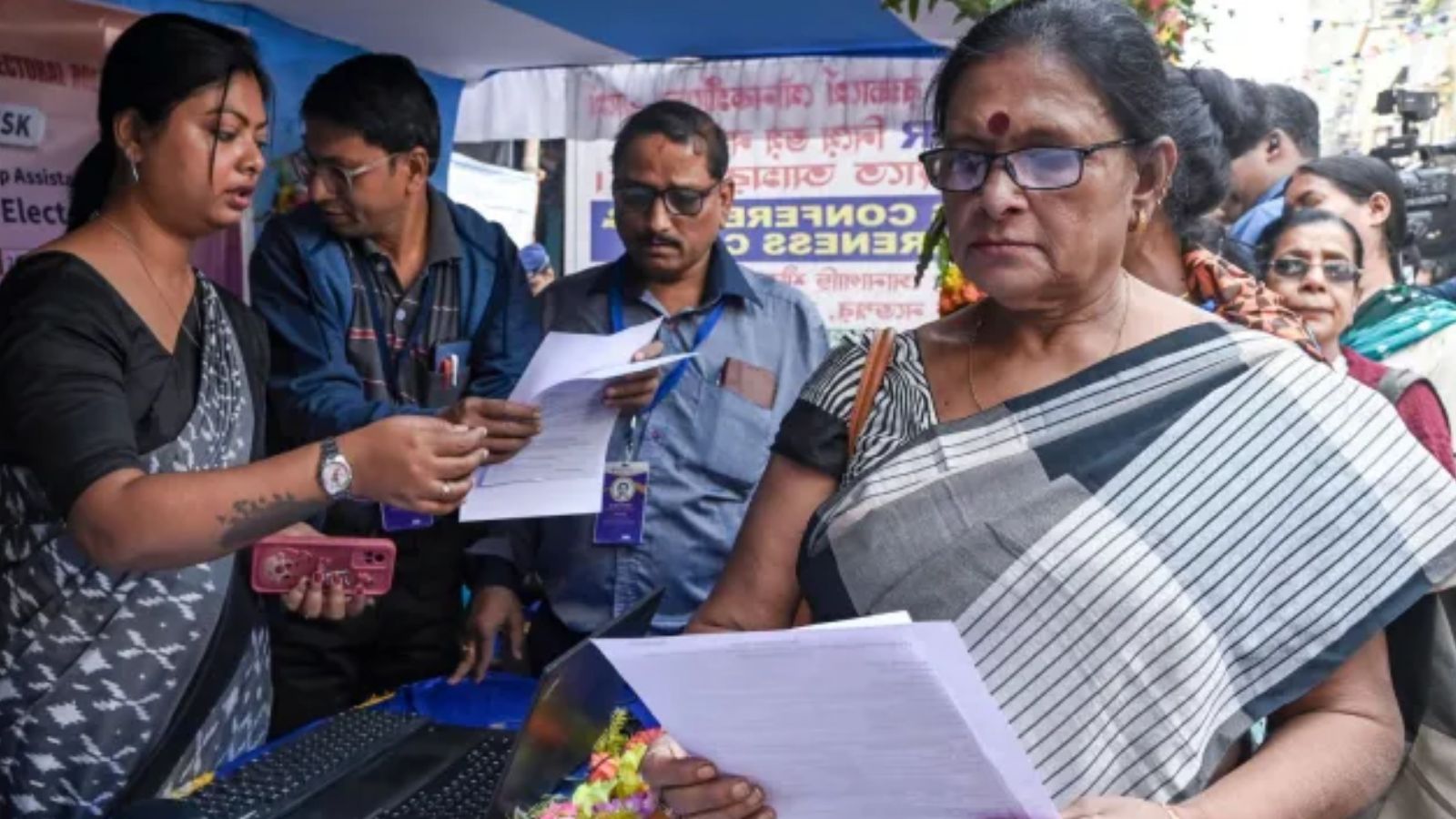
The article asks how government workers can choose what is right.
It says public institutions can fail people when elections are unfair, bridges collapse, or food and medicines are adulterated.
It asks what advice Indian leaders from the past might give today’s officials.
Gandhi said officials should think about the poorest and weakest person before making a decision.
They should ask whether the choice will help that person and give them more control over their life.
Gandhi believed public power and money should be used as a trust for the people.
The article describes a woman trying to be counted as a voter, carrying her Aadhaar card while lacking a school-leaving certificate.
It argues officials should keep people like her in mind when applying rules.

The article asks what should guide civil servants when public institutions lose integrity.
It invokes advice from Mahatma Gandhi, Sardar Vallabhbhai Patel, Lal Bahadur Shastri and Deen Dayal Upadhyaya.
Gandhi’s test urges officials to consider the poorest and weakest person affected by a decision.
He viewed public office, power and public funds as held in trust for the people.
The article illustrates the test with a vulnerable voter seeking recognition using an Aadhaar card.
- Who
- Civil servants and public officials; the article invokes Mahatma Gandhi, Sardar Vallabhbhai Patel, Lal Bahadur Shastri and Deen Dayal Upadhyaya.
- What
- An argument that officials should judge decisions by their effects on the poorest and weakest people.
- Where
- India, in the context of public office and electoral rolls.
- Why
- To emphasize public service, institutional integrity and the responsibility to serve vulnerable citizens.
People-centered public service
Institutional and administrative pressures
How officials should make decisions
People-centered public service
Apply Gandhi’s test by considering whether a decision helps the poorest and weakest people and restores their control over their lives.
Institutional and administrative pressures
The article raises the question of how bureaucrats should act amid compromised electoral processes, infrastructure failures and adulteration, but does not present a distinct opposing argument.
- Central question
- Whom do public officials serve?
- Gandhi’s test
- Consider the poorest and weakest person and whether a decision will benefit them.
- View of public office
- A form of trusteeship, with power and funds held for the people.
- Example
- A woman without a school-leaving certificate seeks to be counted on the electoral roll with her Aadhaar card.
- Other leaders named
- Sardar Vallabhbhai Patel, Lal Bahadur Shastri and Deen Dayal Upadhyaya.