

Archive · 21 Jul 2026
India's EV, Defence Push at Risk Over Magnet Shortage
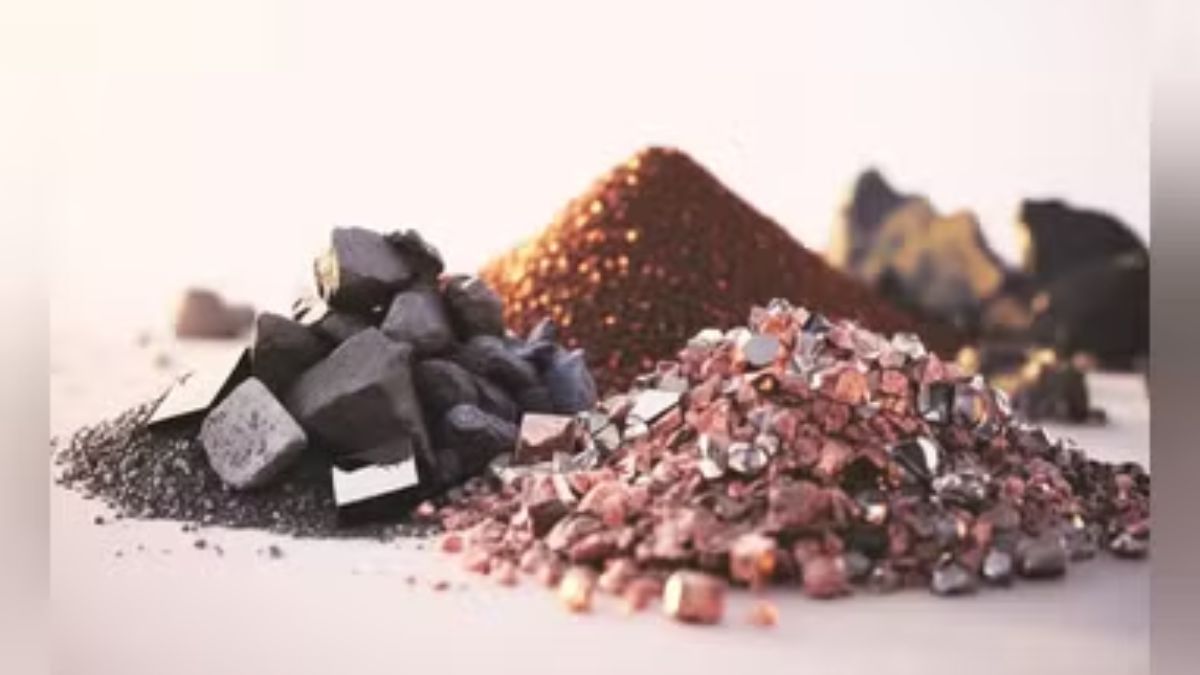
India is trying to make its own rare-earth magnets, which are important for electric cars, wind turbines, and defence equipment.
The government is spending a lot of money to help companies build factories to make these magnets.
However, there is a risk that these factories might not be able to make magnets that meet the required standards.
Some people think that importing technology can help, but others worry that this might not be enough to make India self-sufficient in the long run.
The government needs to make sure that the companies it chooses have the right technology and expertise to produce high-quality magnets.

India is investing ₹7,280 crore to produce rare-earth permanent magnets domestically.
The deadline for selecting manufacturers is July 29.
India imports most of its magnets from China, making it vulnerable to supply shocks.
Domestic production aims to reduce dependency on imports and ensure a stable supply chain.
The success of the scheme depends on the ability of selected manufacturers to produce high-quality magnets.
- Who
- Indian government and domestic manufacturers
- What
- Production of rare-earth permanent magnets
- When
- Deadline for bidding is July 29
- Where
- India
- Why
- To reduce dependency on imports and ensure a stable supply chain for critical components
Domestic Production Advocates
Technology Transfer Skeptics
Domestic Production
Domestic Production Advocates
Domestic production is essential for reducing dependency on imports and ensuring a stable supply chain for critical components like rare-earth magnets.
Technology Transfer Skeptics
Domestic production without adequate technology transfer and expertise may lead to low yields and poor quality, making it difficult to meet industry standards.
Technology Transfer
Domestic Production Advocates
Technology transfer agreements can help domestic manufacturers quickly acquire the necessary expertise to produce high-quality magnets.
Technology Transfer Skeptics
Relying on foreign technology without developing domestic expertise may result in continued dependency on foreign technicians and a lack of long-term technological independence.
- Investment Amount
- ₹7,280 crore
- Production Capacity
- 6,000 tonnes per annum
- Deadline for Bidding
- July 29
- China's Share of Imports
- 71%
- Number of Beneficiaries
- Up to 5
- Sales-Linked Incentives
- ₹6,450 crore
- Capital Subsidy
- ₹750 crore