Archive · 22 Jan 2026
Maoist Insurgency in India Nears Endgame
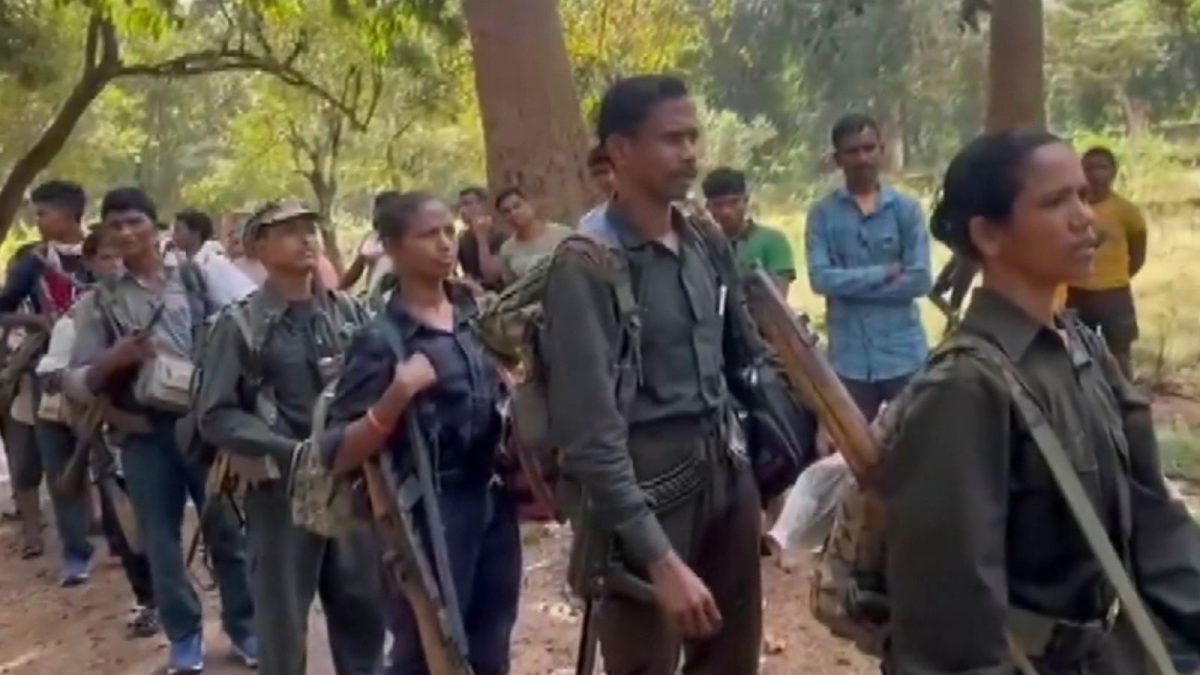
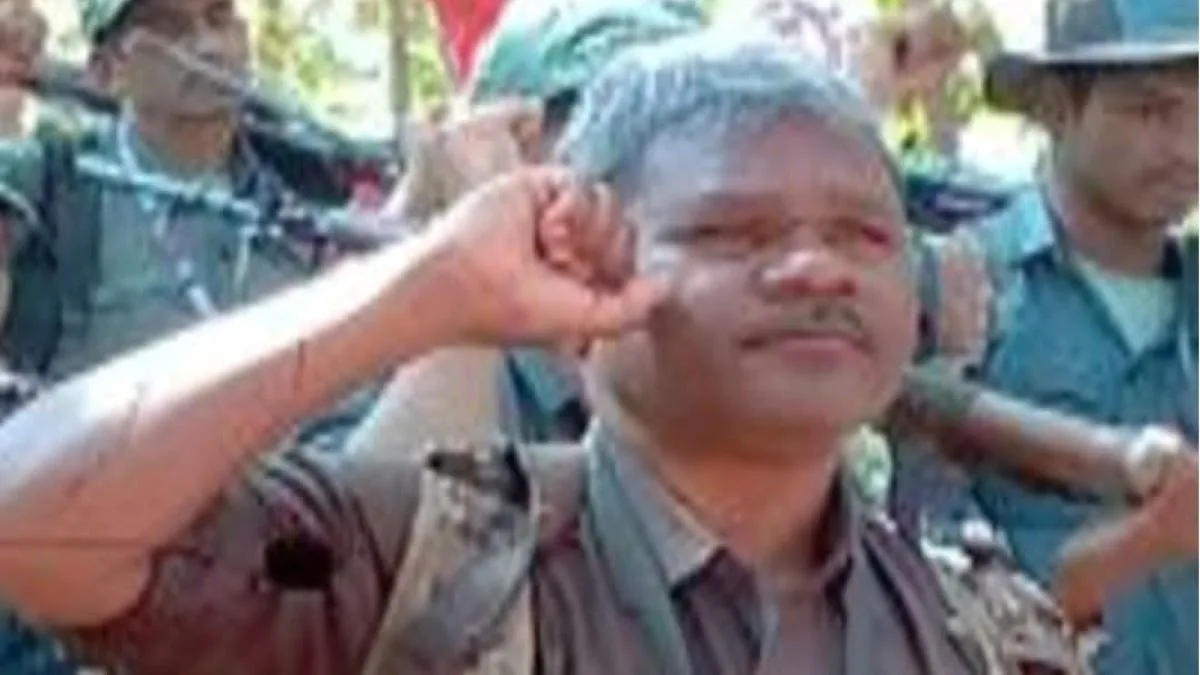
The Maoist insurgency in India, once a significant threat, is now almost over.
There are only about 400 senior Maoist fighters left, mostly in Chhattisgarh, Jharkhand, and Odisha.
These fighters are scattered and under a lot of pressure from the government and security forces.
The government has set a deadline of March 31, 2026, to completely eliminate the Maoist presence.
The Maoists used to control large areas, but now they are just trying to survive.
The government has been building roads, improving healthcare, and offering support to those who surrender, which has helped reduce the number of new recruits.
While the situation is improving, security forces are still cautious because small, desperate groups can still be dangerous.
Recently, 15 Maoists, including a top leader with a Rs 1 crore bounty, were killed in an encounter in Jharkhand's Saranda forest.

Approximately 400 senior Maoist cadres remain active across Chhattisgarh, Jharkhand, and Odisha.
Chhattisgarh has the largest presence with around 200 cadres, followed by Jharkhand with 100 and Odisha with 75.
The Maoist movement has weakened significantly, with fragmented clusters and weakened command structures.
Government and security forces have intensified anti-Naxal operations, leading to a decline in Maoist presence.
Surrender and rehabilitation policies, along with improved governance and infrastructure, have reduced recruitment and strengthened government control.
- Who
- Maoist cadres and Indian security forces
- What
- Decline of Maoist insurgency in India
- When
- As of January 22, 2026, with a deadline set for March 31, 2026
- Where
- Chhattisgarh, Jharkhand, and Odisha
- Why
- Due to sustained security operations, improved governance, and surrender policies
Government and Security Forces
Maoist Insurgents
Effectiveness of Anti-Naxal Operations
Government and Security Forces
Government and security forces have intensified anti-Naxal operations, leading to a significant decline in Maoist presence and the elimination of key leaders.
Maoist Insurgents
Maoists argue that their movement is not yet defeated and that they continue to resist despite the pressure.
Surrender and Rehabilitation Policies
Government and Security Forces
The government believes that surrender and rehabilitation policies, along with improved governance and infrastructure, have reduced recruitment and strengthened government control.
Maoist Insurgents
Maoists view these policies as attempts to weaken their movement and discourage new recruits.
- Active Senior Maoist Cadres
- Approximately 400 across Chhattisgarh, Jharkhand, and Odisha
- Chhattisgarh Cadres
- Around 200
- Jharkhand Cadres
- Around 100
- Odisha Cadres
- Nearly 75
- Maoist Leaders
- Barely a dozen Central Committee and Politburo-level leaders active
- Deadline for Naxal-Free India
- March 31, 2026
- Key Regions
- Chhattisgarh, Jharkhand, Odisha
- Strategies Used
- Anti-Naxal operations, surrenders, governance delivery, rehabilitation policies
- Recent Encounter
- 15 Maoists killed, including top leader Patiram Manjhi alias Anal Da
- Bounty on Anal Da
- Rs 1 crore
Sources
From Red Corridor To Residue: Inside The Final Bastion Of India's Maoist Insurgency

In another blow to Maoists, Central Committee member with Rs 1 cr bounty among 10 killed in Jharkhand

Eight Maoists killed in Jharkhand’s West Singhbhum