3 weeks ago
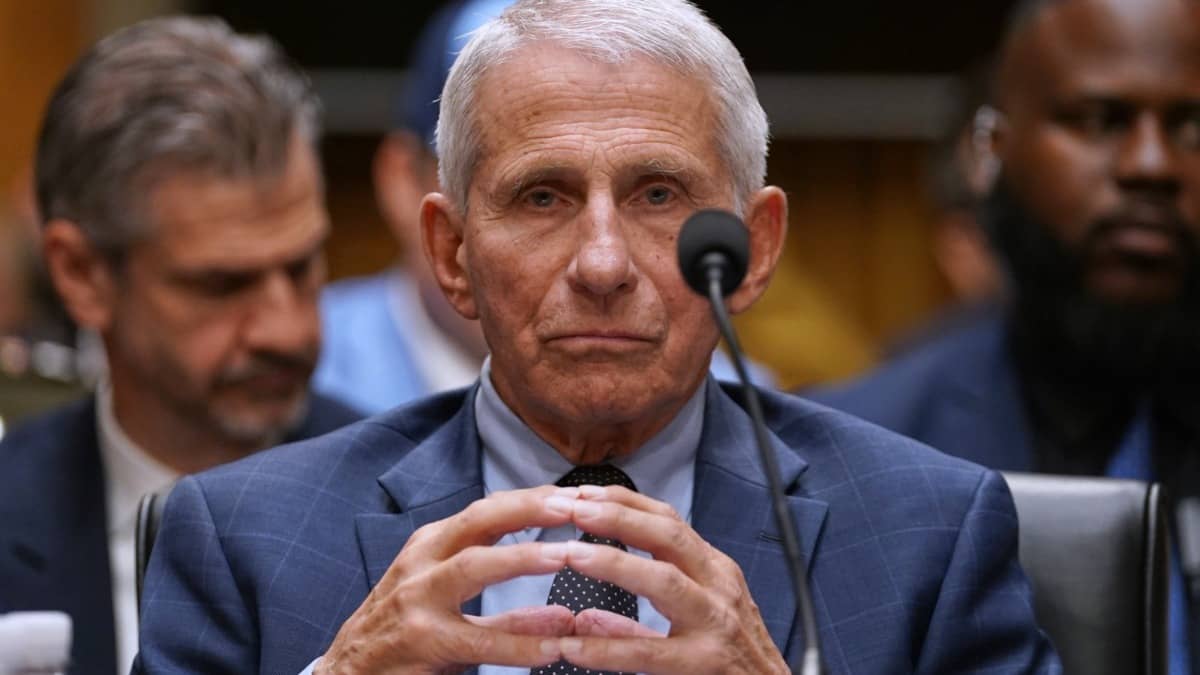
Senate holds Dr. Fauci in contempt over Covid hearing

Dr. Anthony Fauci is a very famous doctor who helped America during the Covid-19 sickness.
Some senators wanted to ask him questions about Covid-19 and how the sickness started.
Dr. Fauci did not want to answer the questions because he was afraid he might get in trouble.
There is a special rule in America that lets people stay quiet if answering could get them in trouble; it is called 'pleading the Fifth.'
Dr. Fauci used that rule more than 100 times during one meeting.
Some senators were not happy and voted to punish him.
They say Dr. Fauci was already protected from punishment by a pardon from the old president, so he should have answered.
Other people say everyone has the right to stay quiet, even famous doctors.
Now the Justice Department will decide if Dr. Fauci should be punished.
This big argument may change the rules for everyone.

On August 6, the Senate committee voted to hold Dr. Anthony Fauci in contempt of Congress over his refusal to testify.
Fauci pleaded the Fifth Amendment more than 100 times during a three-hour hearing before the HSGAC on July 29.
Senator Paul Rand said he would refer the case to the Justice Department for potential prosecution.
The hearing investigated the federal government's Covid-19 response and the origins of the virus, and Rand released over 1,000 pages of Fauci's diary entries.
Former President Joe Biden granted Fauci a blanket pre-emptive pardon in early 2025, which Republicans say invalidates his Fifth Amendment plea.
- Who
- Dr. Anthony Fauci, former director of the National Institute of Allergy and Infectious Diseases, and Senator Paul Rand, who led the inquiry.
- What
- The Senate committee voted to hold Fauci in contempt of Congress after he pleaded the Fifth Amendment more than 100 times, and Rand referred the case to the Justice Department for potential prosecution.
- Where
- US Senate Committee on Homeland Security and Governmental Affairs (HSGAC).
- When
- Hearing on July 29; contempt vote on August 6.
- Why
- Because Fauci refused to testify, which the committee called unlawful and an obstruction of its investigation into the federal Covid-19 response and the origins of the virus.
Fauci's defenders
Republican critics
Fifth Amendment plea
Fauci's defenders
Fauci's legal team says pleading the Fifth was a necessity because of the hostile political environment and that the Constitution prevents silence from being treated as guilt.
Republican critics
Republicans argue the pre-emptive pardon neutralizes any threat of federal prosecution, rendering Fauci's invocation of the Fifth Amendment null and void.
Scope of the pardon
Fauci's defenders
Fauci's lawyers note the pardon covers only potential federal crimes between 2014 and 2025 and does not cover contempt of Congress or state-level prosecutions.
Republican critics
Republicans argue the pardon allows a pardoned official to defy Congress, which cripples legislative power and oversight.
Precedent
Fauci's defenders
Democrats like Maggie Hassan and Richard Blumenthal warn that punishing the exercise of a constitutional right would dissuade future witnesses from appearing before committees.
Republican critics
Senator Josh Hawley argues Fauci's refusal to answer non-incriminating questions shows a pre-meditated attempt to evade oversight.
Key facts
- Person
- Dr. Anthony Fauci, former NIAID director
- Hearing date
- July 29
- Contempt vote
- August 6
- Fifth Amendment invocations
- More than 100 times
- Committee
- US Senate Committee on Homeland Security and Governmental Affairs (HSGAC)
- Referral
- Senator Paul Rand to refer the case to the Justice Department
- Pardon
- Blanket pre-emptive pardon from Joe Biden in early 2025, covering federal crimes between 2014 and 2025
- States investigating
- Louisiana, Alabama, Florida
Sources
Related news

Senate panel votes to hold Fauci in contempt of Congress

Senate Panel Votes to Hold Fauci in Contempt

Trump suggests Fauci should be prosecuted after Rand Paul's demand
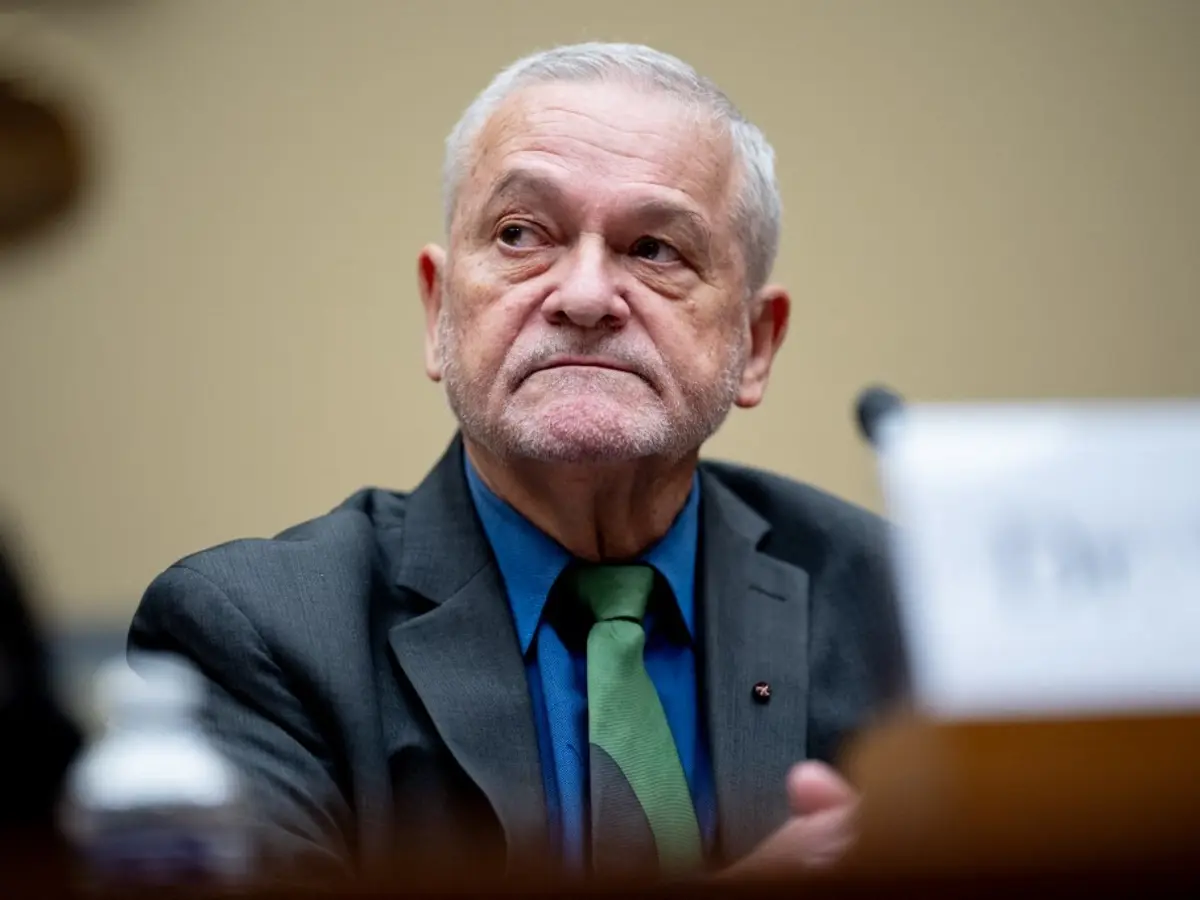
Former Fauci Adviser Pleads Guilty in Federal COVID Records Case

Report: US can compel China to reveal Covid origin truth

Judge Blocks Pentagon’s Anthropic Supply Chain Risk Designation

Fauci Invokes Fifth Amid Lab Leak Hearing
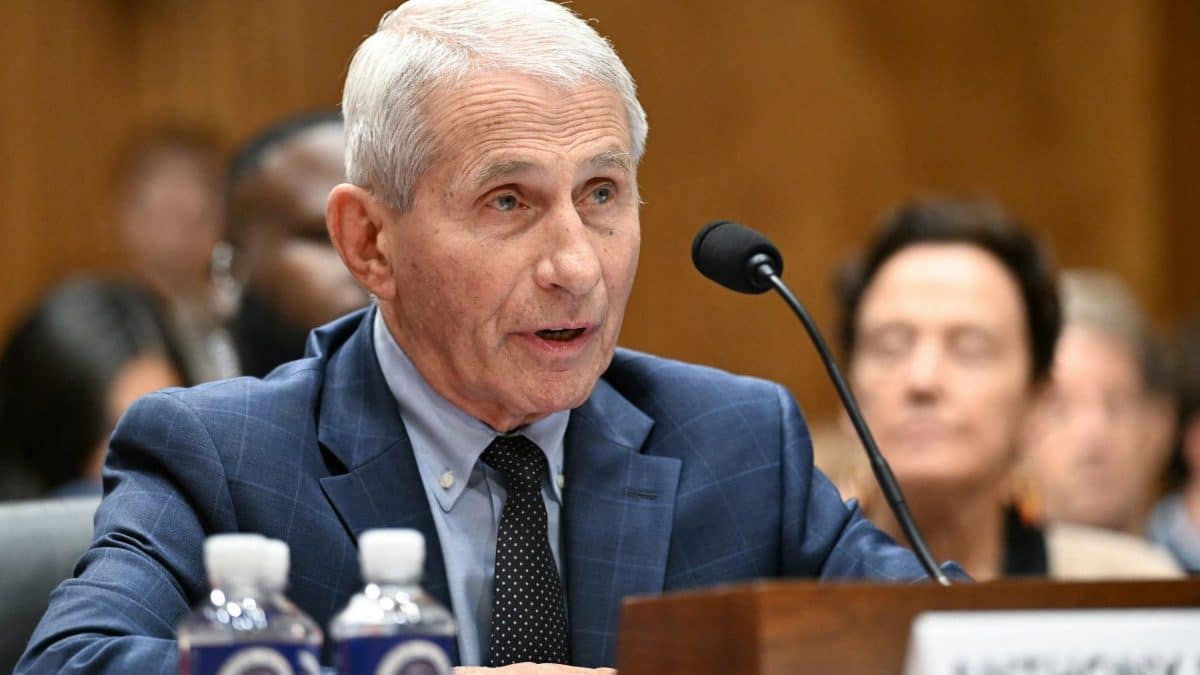
Fauci Invokes Fifth Amendment in Senate COVID Hearing