

Archive · 20 Sep 2025
RSS at 100: A Century of Hindu Nationalism in India
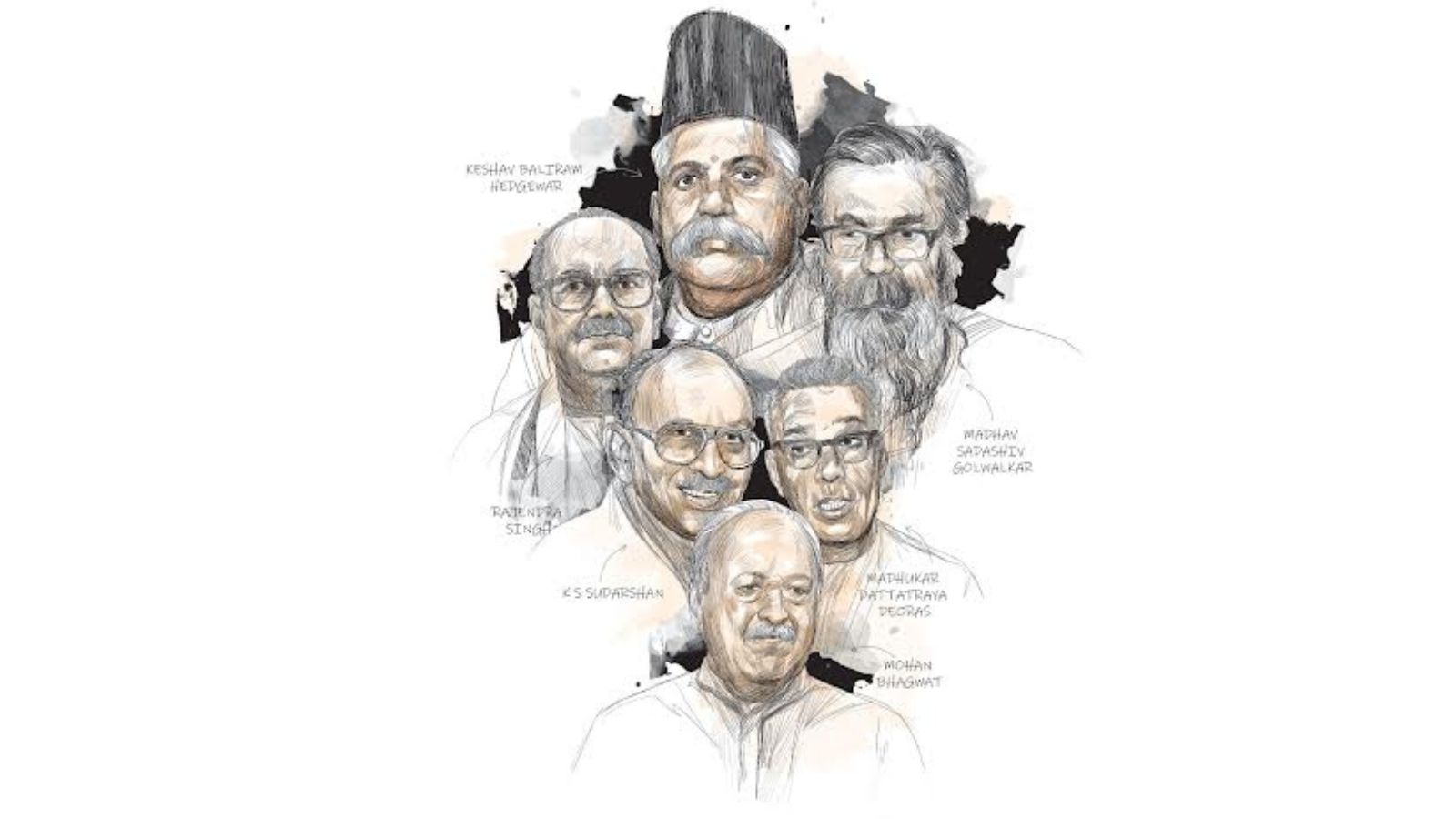
Imagine a club for Indian Hindus that started 100 years ago to bring everyone together.
It's called the RSS.
They wanted to make India strong and united, believing it should be a Hindu country.
Over time, they grew from a small group to a huge organization with lots of influence.
They helped start political parties, like the BJP, that now run the country.
The RSS has seen many changes and faced challenges like being banned, but they always kept their main goal of promoting Hindu values.
Now, as they turn 100, they're still working to shape India's future, sometimes agreeing and sometimes disagreeing with the government they helped create.

The RSS was founded in 1925 by K.B. Hedgewar to unite and organize Hindus.
The organization grew through various leaderships and adapted to survive bans and political shifts.
The RSS played a key role in the Ram Janmabhoomi movement, reshaping Indian politics.
The BJP, the RSS's political wing, rose to power, reflecting the Sangh's ideological influence.
As the RSS turns 100, it faces challenges in navigating modern issues and maintaining influence.
- Who
- The Rashtriya Swayamsevak Sangh (RSS), a Hindu nationalist organization.
- What
- Celebrated its 100th anniversary, marking its journey and influence in Indian politics.
- When
- Founded in 1925, with its centenary in 2025.
- Where
- Started in Nagpur, India, and expanded nationally.
- Why
- To organize Hindus and promote the idea of India as a Hindu Rashtra.
- Founded
- 1925 in Nagpur
- Founder
- K.B. Hedgewar
- Ideology
- Hindu nationalism
- Current Leader
- Mohan Bhagwat
- Political Affiliation
- Bharatiya Janata Party (BJP)
- Key Events
- Ram Janmabhoomi movement, Babri Masjid demolition