

Archive · 22 May 2025
Iranian Women Resist Hijab Rules Despite Government Efforts
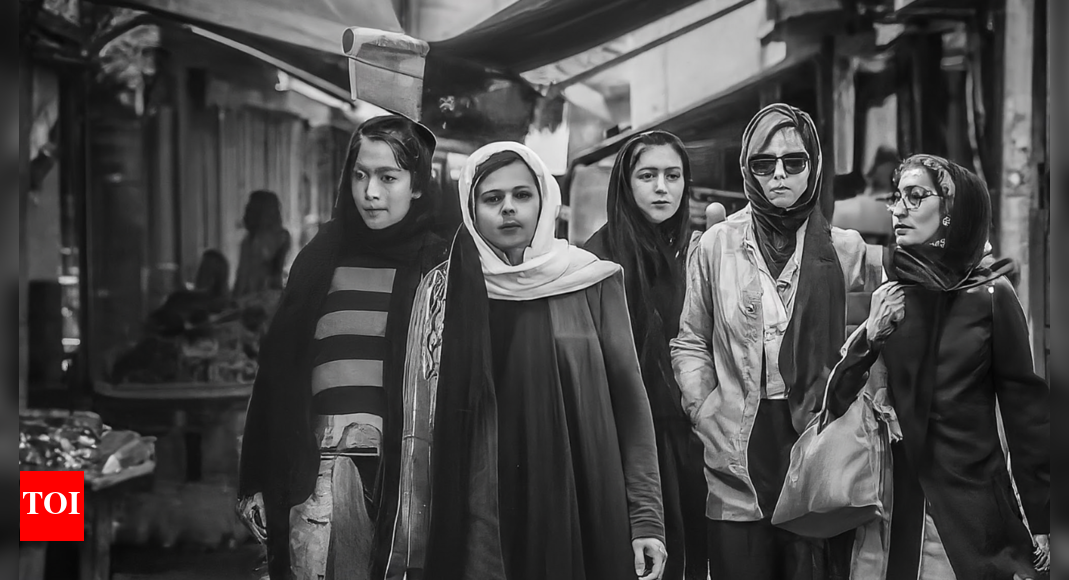
In Iran, the government requires women to wear headscarves (hijabs) in public, but many women are refusing to comply.
After a woman died in police custody in 2022, protests erupted, with women challenging the rule.
Some women now carry coffins at funerals, which was previously only done by men.
The government is trying to enforce the law, even arresting those who don't comply, however, many believe the government cannot reverse the changes that have occurred.
Even conservative politicians have acknowledged that the government cannot force the rule.

Wearing a hijab remains mandatory in Iran.
Many Iranian women are choosing not to wear headscarves in public.
The death of Jina Mahsa Amini in police custody in 2022 sparked protests against the hijab rule.
Some women are now participating in actions previously reserved for men.
The government faces challenges in enforcing the mandatory hijab.
- Who
- Iranian women and activists are challenging the compulsory hijab laws.
- What
- There is resistance to the mandatory hijab law in Iran.
- When
- The resistance has intensified since 2022, with some changes occurring as recently as March 2024.
- Where
- Iran
- Why
- Women and activists are pushing back against mandatory hijab rules due to issues of personal freedom, and government overreach.
Supporters
Critics
Mandatory Hijab
Supporters
Advocates for the mandatory hijab believe it is a necessary part of Islamic law and public decorum.
Critics
Women and activists argue that the mandatory hijab violates personal freedoms, and should not be legally required.
- Hijab Rule Status
- Mandatory in Iran
- Jina Mahsa Amini's Death
- 2022
- Sedigheh Vasmaghi's Arrest
- Arrested in March 2024
- Niloufar Hamedi's Release
- Released on bail January 2024
- Hamedi Pardoned
- February 2025