

Archive · 5 Jun 2025
RSV in India: Why Infants Face Higher Risk
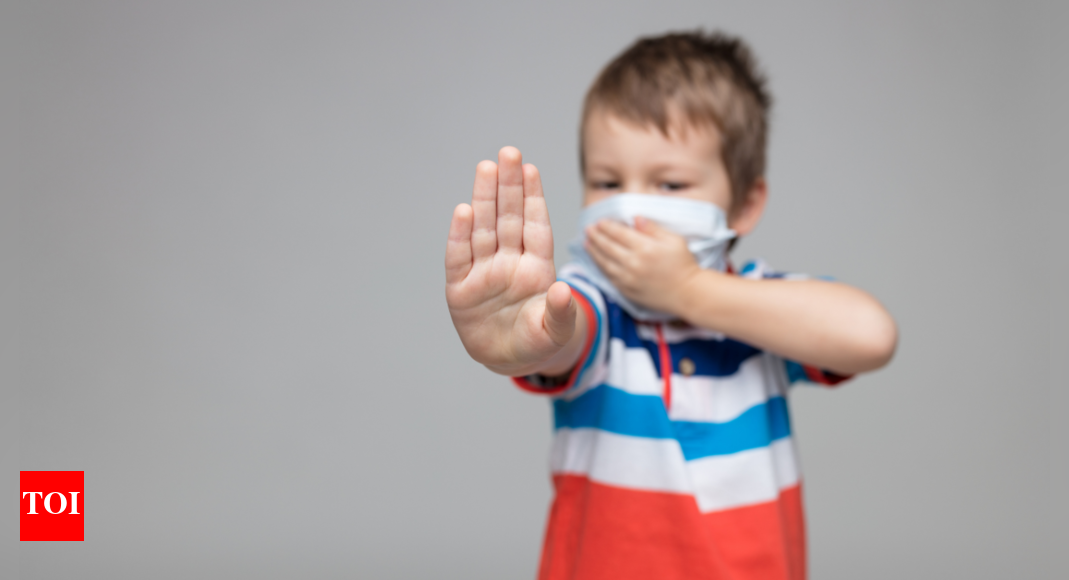
RSV is a common cold-like virus that can be very serious for babies.
In India, it's a big problem, especially in the colder months.
It can cause breathing problems that require hospital visits.
Babies under six months, premature babies, and those with health problems are most at risk.
Doctors are working on vaccines and special medicines to help, but they're expensive.
To help prevent this, the world is exploring maternal vaccinations to pass along protection to the baby before birth.
Wider availability is expected in a few years.

RSV is a common respiratory virus, particularly dangerous for infants.
In India, RSV cases surge during post-monsoon and winter seasons.
RSV can cause severe lower respiratory tract infections, requiring hospitalization.
WHO supports maternal RSV vaccination to pass immunity to newborns.
Vaccines and monoclonal antibodies are promising, but cost is a constraint for widespread access.
- Who
- Infants, particularly those under six months old, are most vulnerable.
- What
- RSV is a respiratory virus causing illness in infants and children.
- When
- Cases surge in India during post-monsoon and winter.
- Where
- India faces increasing challenges with RSV.
- Why
- Infants, premature babies, and those with health issues are at high risk.
Government
Pharmaceutical Companies
Accessibility of Treatment
Government
Government should provide subsidies.
Pharmaceutical Companies
Want to expand access of vaccines by differential pricing models and collaborations with insurance companies.
- Virus Name
- Respiratory Syncytial Virus
- RSV contribution to bronchiolitis and pneumonia in children under 2
- 30% to 50%
- Estimated hospitalization rate in India
- 3 to 5 per 100 infants under one year old per year
- Peak seasons for RSV in India
- Post-monsoon and winter seasons
- Estimated time for wide availability of vaccines and antibodies in India
- 2 to 4 years