

Archive · 25 Oct 2025
India Aims for Chipset Self-Reliance in Two Years
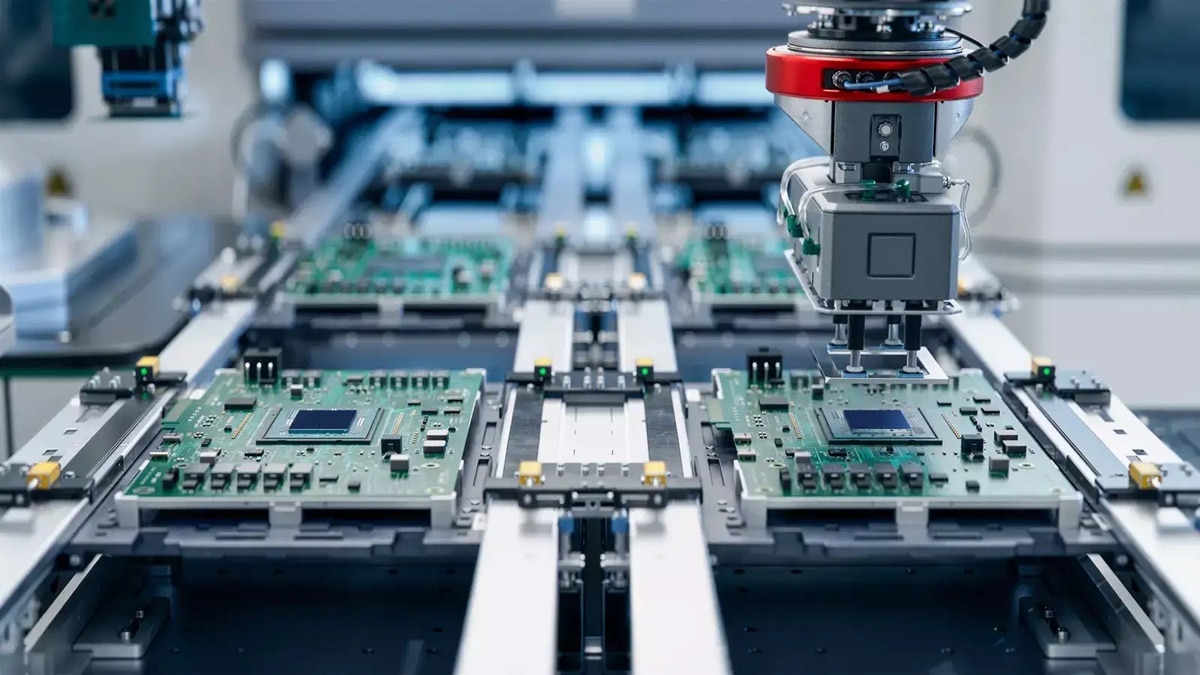
The Indian government wants to make its own computer chips, like the ones used in phones and security cameras.
They're working on designing and building these chips in India, so they don't have to rely on other countries.
This plan includes chips for things like CCTV cameras and mobile phones.
They aim to have all phones use either their own navigation system, NavIC, or NavIC alongside GPS.
They are also building a complete mobile phone chipset.
The government is investing in these projects, including a joint project with IBM and IIT Madras to create energy-efficient server microprocessors.
The goal is to be self-sufficient in chip technology within two years, boosting the country's electronics industry.

India is developing indigenous chipsets for various applications, including CCTV cameras.
The government aims for self-reliance in chipset production within two years.
Mobile phones are planned to be equipped with either NavIC or a combination of GPS and NavIC.
A complete mobile phone chipset is being developed to ensure end-to-end security.
The government is funding a project with IBM and IIT Madras for server-grade microprocessors.
- Who
- The Indian government
- What
- is developing indigenous chipsets for electronics manufacturing to achieve self-reliance and secure its supply chain.
- When
- Within two years
- Where
- India
- Why
- To secure India’s electronics supply chain and reduce reliance on foreign technology.
- Focus
- Indigenous Chipset Development
- Applications
- CCTV cameras, mobile phones, servers
- Timeline for Self-Reliance
- Within two years
- Mobile Phone Chipset Plans
- Equip phones with NavIC or GPS + NavIC
- Server Microprocessor Project
- Joint effort of IBM and IIT Madras
- Investment for Microprocessor
- ₹200 crore
- Initiative
- Design-Linked Incentive (DLI) Programme