

Archive · 28 Sep 2025
Circular Economy: Challenges in a 'Zero-Waste' Future
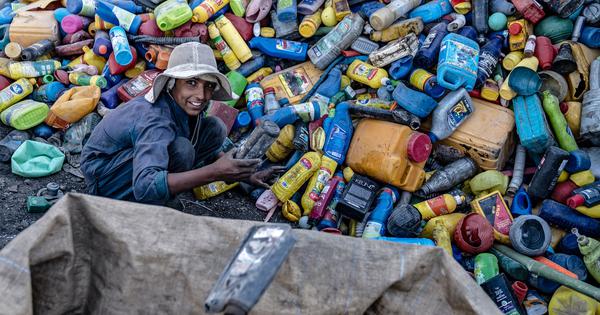
The idea of a 'circular economy' means using things over and over instead of throwing them away.
But we're actually throwing more things away.
Some people think we can make everything reusable with new inventions.
Others think it's too hard and expensive.
It's hard because recycling is complex, people don't always want to change habits, and materials break down over time.
Recycling needs clear labels on products, and more support from the government and industry.
Even though it's difficult, people can still make a difference by reusing, repairing, and buying items that last.

The circular economy aims to reuse, repair, and recycle materials to reduce waste.
Use of secondary materials like recycled plastic is declining, while reliance on new materials is rising.
Conflicting narratives – utopian vision versus acknowledgment of obstacles – hinder progress.
Lack of consumer support and physical limitations like material degradation pose challenges.
Progress involves more action, better consumer habits, and realistic expectations.
- Who
- Consumers, industry, and government
- What
- Challenges in achieving a circular economy and moving towards zero waste.
- When
- Over the past decade
- Where
- Primarily in the UK
- Why
- Because of conflicting views and practical limitations
- Raw Material Extraction
- Over 100 billion tonnes annually
- Circular Economy Goal
- Reuse, repair, and recycle materials
- Secondary Material Usage
- Declining
- Virgin Resource Use
- Increasing
- UK Plastic Bag Charge
- 5p in 2015, increased to 10p