

Archive · 10 Aug 2025
Understanding Noise Sensitivity: Brains and Health Impacts
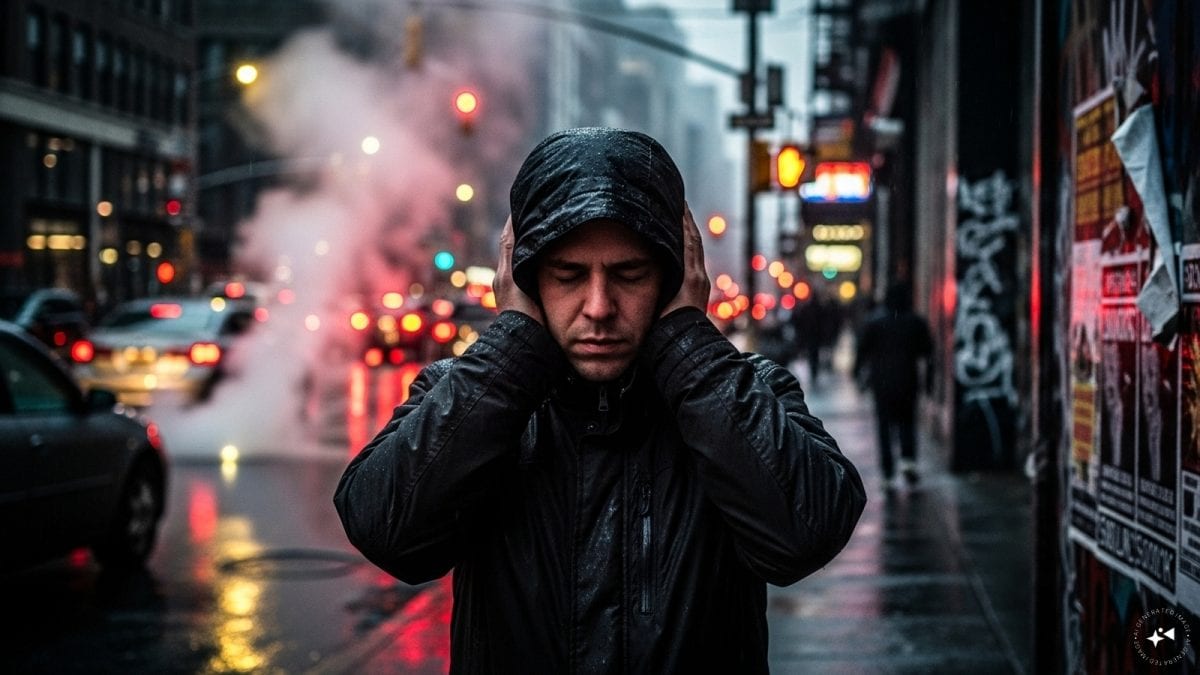
Some people are bothered more by noise than others.
Up to 40% of people have brains that react differently to sound, which can cause stress and anxiety.
Scientists have found these brains don't filter out sounds as well.
This sensitivity isn't a specific medical condition but can be identified through questionnaires.
It's different from other sound sensitivities.
Noise can make sensitive people's hearts race and affect sleep.
The condition might have a genetic component, and it is more common in people with anxiety, schizophrenia, autism, or a history of brain injury.
Some cities are trying to reduce noise with planning measures, but many people use ear protection or therapy to cope.

Noise sensitivity, affecting up to 40% of people, can significantly impact mental and physical health.
Studies show noise-sensitive brains process sound differently, leading to increased reactivity to various sounds.
The condition is not a formal diagnosis, but can be identified via questionnaires that assess reactions to everyday sounds.
Physiological impacts include a 'fight-or-flight' response and potential sleep disturbances.
Addressing noise at its source through urban planning and managing symptoms are key strategies.
- Who
- Individuals who are more sensitive to noise than average, and researchers.
- What
- Noise sensitivity and its impact on individuals.
- When
- Studies and research have been conducted recently.
- Where
- Studies were conducted in China, France, and a Welsh town of Caerphilly, among others.
- Why
- To understand why some people are more bothered by noise than others and how to help them.
- Affected Population
- Up to 40%
- Related Conditions
- Misophonia, Hyperacusis
- Identifying Tool
- Weinstein’s noise sensitivity scale
- Physiological Response
- "Fight-or-flight" response, increased heart rate, and blood pressure
- Possible Solutions
- Ear protection, therapy, urban planning measures.