

Archive · 1 Dec 2025
Scientists Grow Human Brain Organoids
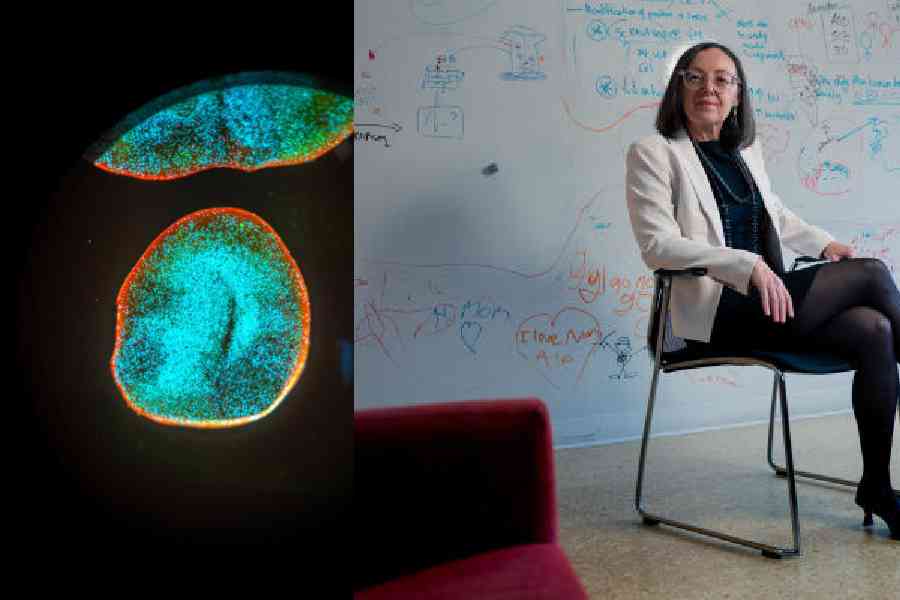
Scientists have been growing tiny clusters of brain cells called organoids in labs.
These organoids are made from skin cells and can contain millions of neurons.
They are not actual brains but can mimic some aspects of brain development.
Scientists use them to study how the brain grows and to understand conditions like autism.
They also discuss the ethical questions about using these organoids, such as whether they could one day become conscious.
The oldest organoids are now seven years old, and scientists are excited about the new science this research is creating.

Scientists at Harvard University have grown human brain organoids from skin cells, with the oldest being 7 years old.
These organoids contain up to 2 million neurons and mimic the development of a human brain.
Researchers use organoids to study neurological disorders like autism and understand brain development.
Scientists have created assembloids by connecting organoids to study complex brain functions and pain pathways.
Ethical concerns are being discussed, including the potential for organoids to develop consciousness.
- Who
- Scientists at Harvard University, Stanford University, University of California, San Diego, and Indiana University
- What
- Growing human brain organoids from skin cells
- When
- Organoids have been growing since 2018, with the oldest being 7 years old
- Where
- Harvard University, US
- Why
- To study brain development, neurological disorders, and ethical implications
- Location
- Harvard University, US
- Organoids Age
- 7 years
- Neurons per Organoid
- 2 million
- Organoids Origin
- Skin cells from volunteers
- Ethics Meeting
- Pacific Grove, California
- Autism Study
- University of California, San Diego
- Pain Study
- Stanford University
- Brainoware System
- Indiana University