

Archive · 27 Jul 2026
Can a 10 Crore Fine Stop Paper Leaks?
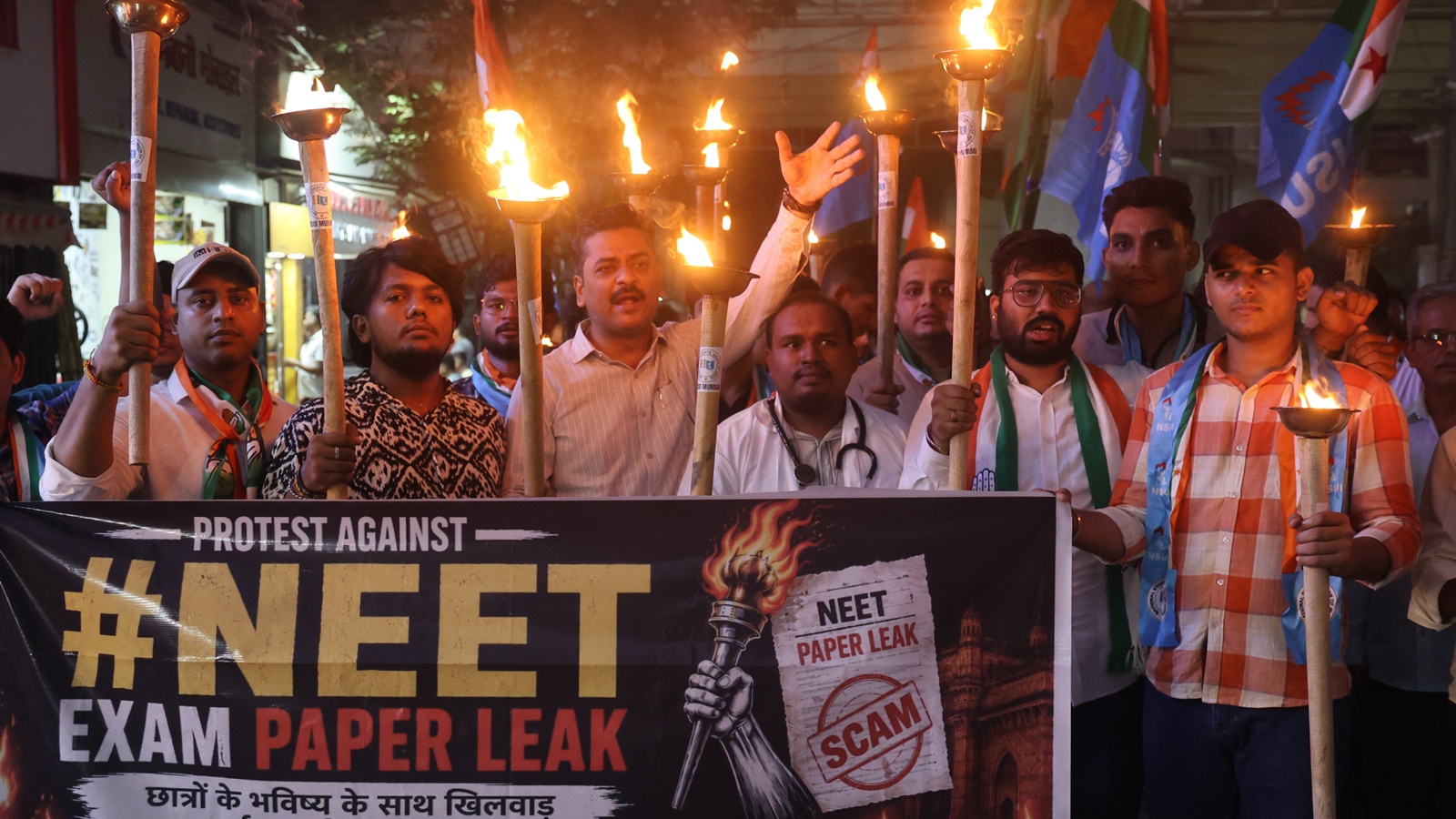
The Indian government has introduced a new law to increase punishments for paper leaks, including up to seven years in prison and a fine of Rs 10 crore.
However, some people argue that harsher punishments won't solve the problem.
They say that the certainty of punishment, not its severity, is what deters crime.
Additionally, there are concerns about the fairness and effectiveness of centralized exams like NEET.
Critics argue that these exams are not student-friendly and do not accurately measure merit.
They also point out issues like translation errors and the disadvantage faced by poorer students from rural areas.
The debate continues on how to ensure fairness and transparency in public examinations.

The NDA government introduced a bill to enhance punishments for paper leaks to seven years' imprisonment and a Rs 10 crore fine.
Critics argue that the certainty of punishment, not its severity, is what deters crime.
Centralized exams like NEET have been criticized for not being student-friendly and for not accurately measuring merit.
Issues like translation errors and the disadvantage faced by poorer students from rural areas have been highlighted.
The debate continues on how to ensure fairness and transparency in public examinations.
- Who
- The NDA government, the Supreme Court, and various state governments
- What
- Introduction of a bill to enhance punishments for paper leaks and debates on the effectiveness of centralized exams like NEET
- When
- Recent, with historical context dating back to 1937
- Where
- India
- Why
- To address the issue of paper leaks and ensure fairness in public examinations
Proponents of Stringent Laws
Critics of Centralized Exams
Effectiveness of Punishments
Proponents of Stringent Laws
Proponents argue that increasing punishments like imprisonment and fines will deter paper leaks.
Critics of Centralized Exams
Critics believe that the certainty of punishment, not its severity, is what deters crime.
Centralized Exams and Merit
Proponents of Stringent Laws
Proponents argue that centralized exams like NEET promote merit and equality of opportunity.
Critics of Centralized Exams
Critics argue that centralized exams are not student-friendly and do not accurately measure merit.
- Year of First Indian Law on Paper Leaks
- 1937
- Current Law on Paper Leaks
- Public Examination (Prevention of Unfair Means) Act, 2024
- Minimum Imprisonment under Current Law
- 3 years
- Maximum Imprisonment under Current Law
- 5 years
- Maximum Fine under Current Law
- Rs 10 lakh
- Imprisonment for Organised Paper Leaks
- 5 to 10 years
- Fine for Organised Paper Leaks
- Rs 1 crore
- NEET Translation Error in 2018
- 49 questions in Tamil translation had errors