1 day ago
Supreme Court Closes NCERT Judiciary Corruption Chapter Case After Withdrawal

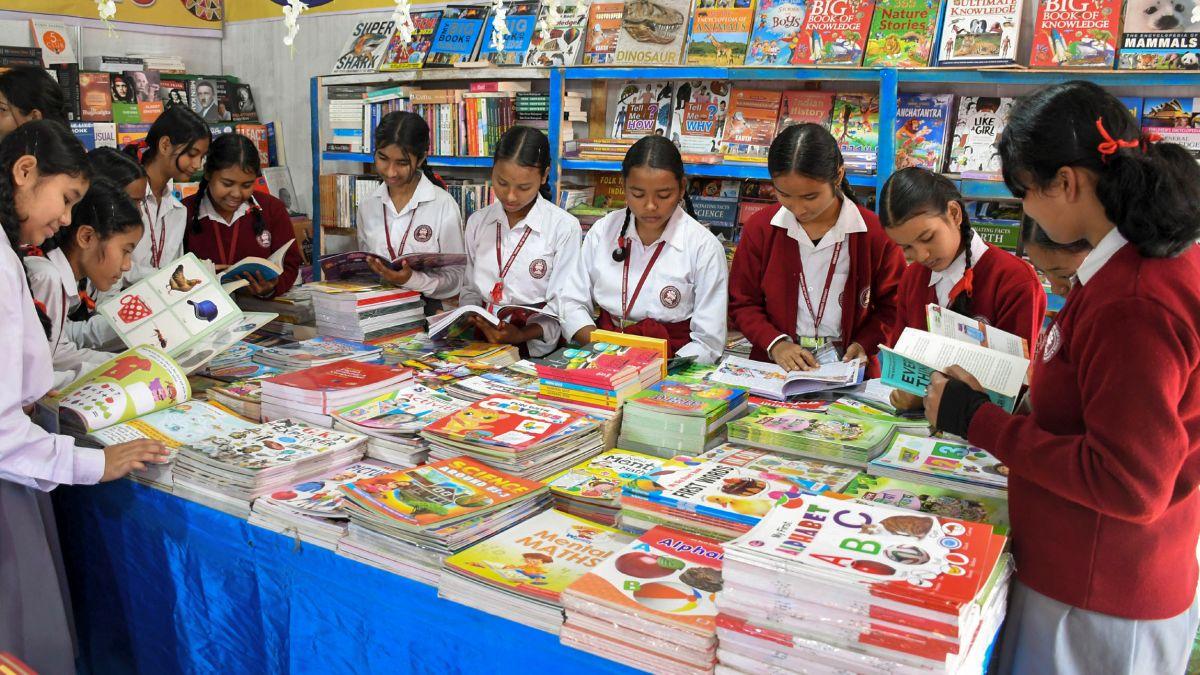
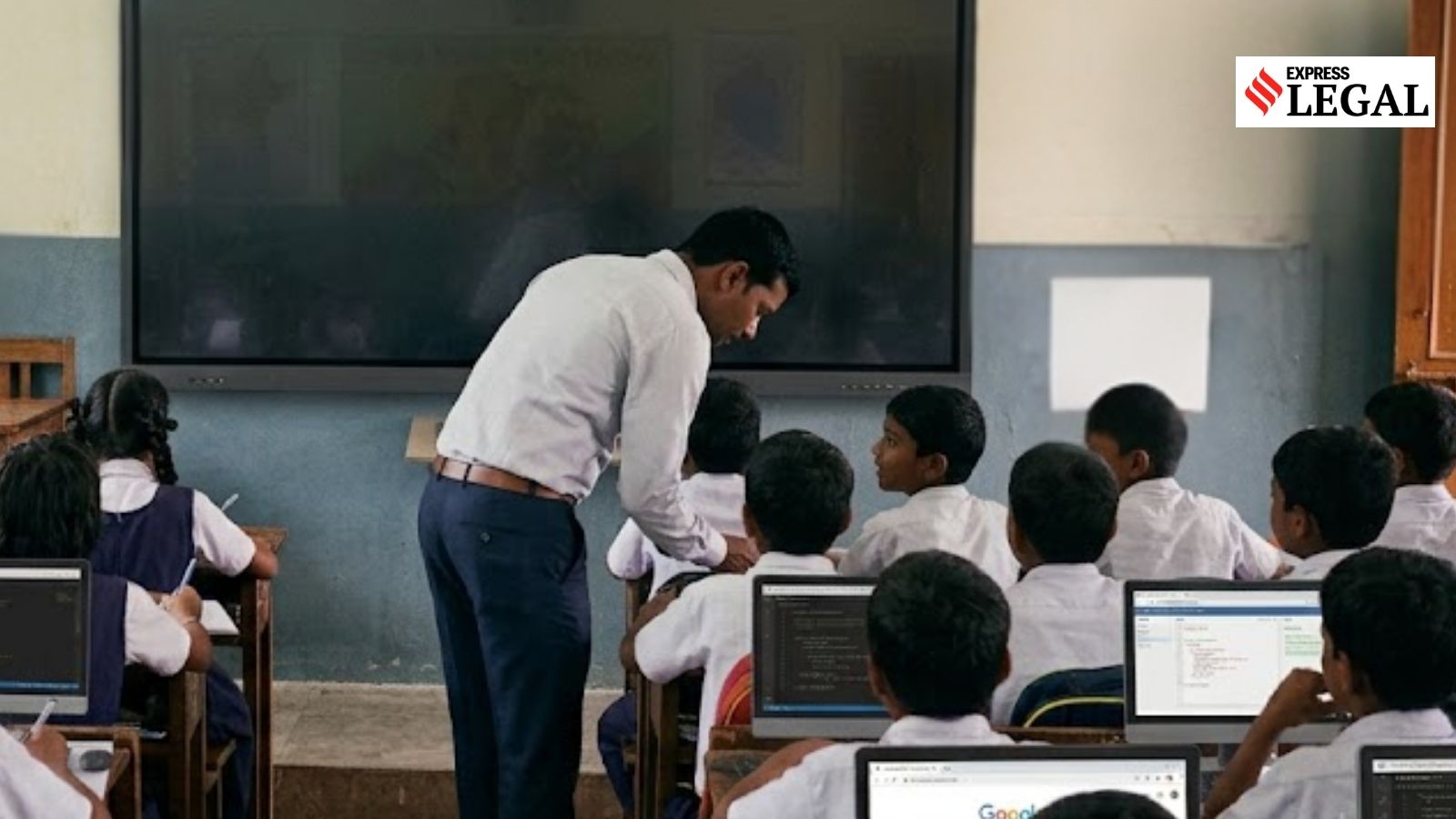
India’s Supreme Court was looking into a chapter in an NCERT Class 8 book.
The chapter discussed corruption in the judiciary.
The court was told that the chapter had been removed and replaced.
A new version of the book is now being distributed.
The court therefore ended its case.
Three academicians connected with the book had explained that no single person wrote or approved the content alone.
The court also clarified that one statement about how the curriculum was approved came from the government’s lawyer, not from the judges.
Earlier, the court had stopped the old version from being printed or shared digitally.

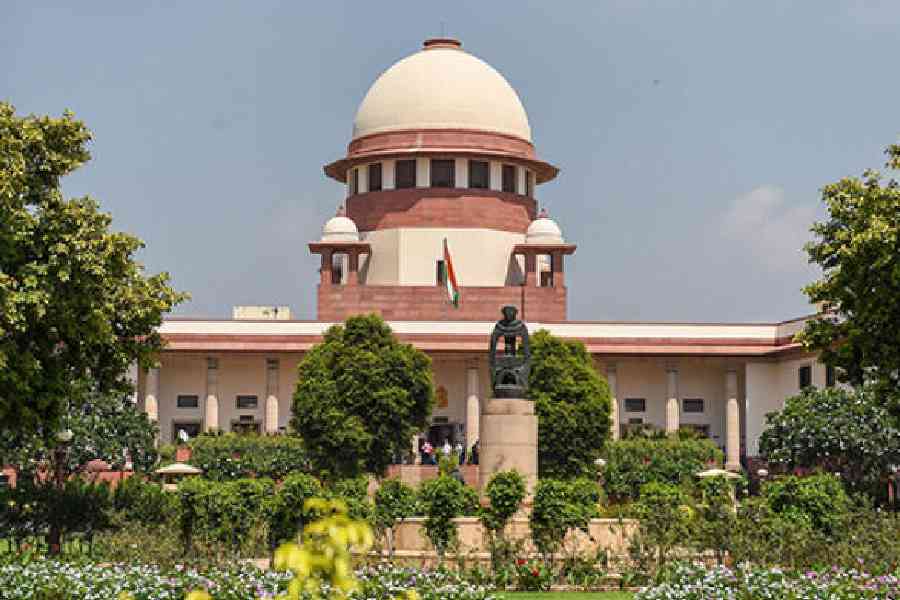
The Supreme Court closed its suo motu case after being told that the Class 8 NCERT chapter on corruption in the judiciary had been withdrawn.
The chapter was replaced following revisions recommended by an expert panel constituted by the Centre, and textbooks containing the new chapter are in circulation.
The bench clarified that a statement in its May 22 order about the curriculum not being placed before committees was only the Solicitor General’s submission, not a court finding.
The court had earlier modified and partly recalled its March 11 directions involving three academicians linked to the chapter.
The court had imposed a February 26 ban on further publication, reprinting, or digital dissemination of the textbook containing the disputed content.
- Who
- The Supreme Court of India, the Centre, Solicitor General Tushar Mehta, and three academicians associated with the textbook: Michel Danino, Suparna Diwakar, and Alok Prasanna Kumar.
- What
- The Supreme Court closed its suo motu proceedings concerning an NCERT Class 8 social science chapter referring to corruption in the judiciary.
- Where
- Before the Supreme Court of India.
- When
- Tuesday; the proceedings also referred to orders dated February 26, March 11, and May 22.
- Why
- The chapter had been withdrawn and replaced after revisions suggested by an expert panel constituted by the Centre.
Academicians’ Position
Court and Government Position
How the chapter was drafted
Academicians’ Position
The three academicians said that no individual had sole authority over the content and that its drafting was a collective process.
Court and Government Position
Solicitor General Tushar Mehta said the curriculum had not been placed before the committee at all levels and therefore could not be termed a collective decision, while clarifying that he was not accusing the academicians of failing to place it before committees.
Effect of the court’s observations
Academicians’ Position
Senior advocate Arvind Datar argued that treating the statement in the May 22 order as a judicial finding could prejudice the academicians.
Court and Government Position
The Supreme Court clarified that the statement was only the Solicitor General’s submission and neither an observation nor an order of the court.
Assessment of the disputed content
Academicians’ Position
The academicians sought consideration of their explanation and maintained that responsibility for the material was not held by one person.
Court and Government Position
The court had described the material as offending and previously directed restrictions on the textbook, while the Centre arranged for expert-led revisions and a replacement chapter.
Key facts
- Case status
- The Supreme Court closed the suo motu proceedings.
- Textbook involved
- NCERT Class 8 social science textbook.
- Disputed content
- A chapter referring to corruption in the judiciary.
- Replacement
- The chapter was replaced following revisions suggested by a Centre-constituted expert panel.
- Current circulation
- Textbooks containing the new chapter are in circulation.
- Earlier restriction
- On February 26, the court barred further publication, reprinting, and digital dissemination of the earlier textbook.
- Academicians named
- Michel Danino, Suparna Diwakar, and Alok Prasanna Kumar.
Quotes
Tushar Mehta
Solicitor General of India who represented the Centre before the Supreme Court
“We never said that they had not placed it. I said factually that curriculum was not placed before the committee and therefore it was not a collective decision,”
 m.rediff.com
 telegraphindia.com
Sources
Related news
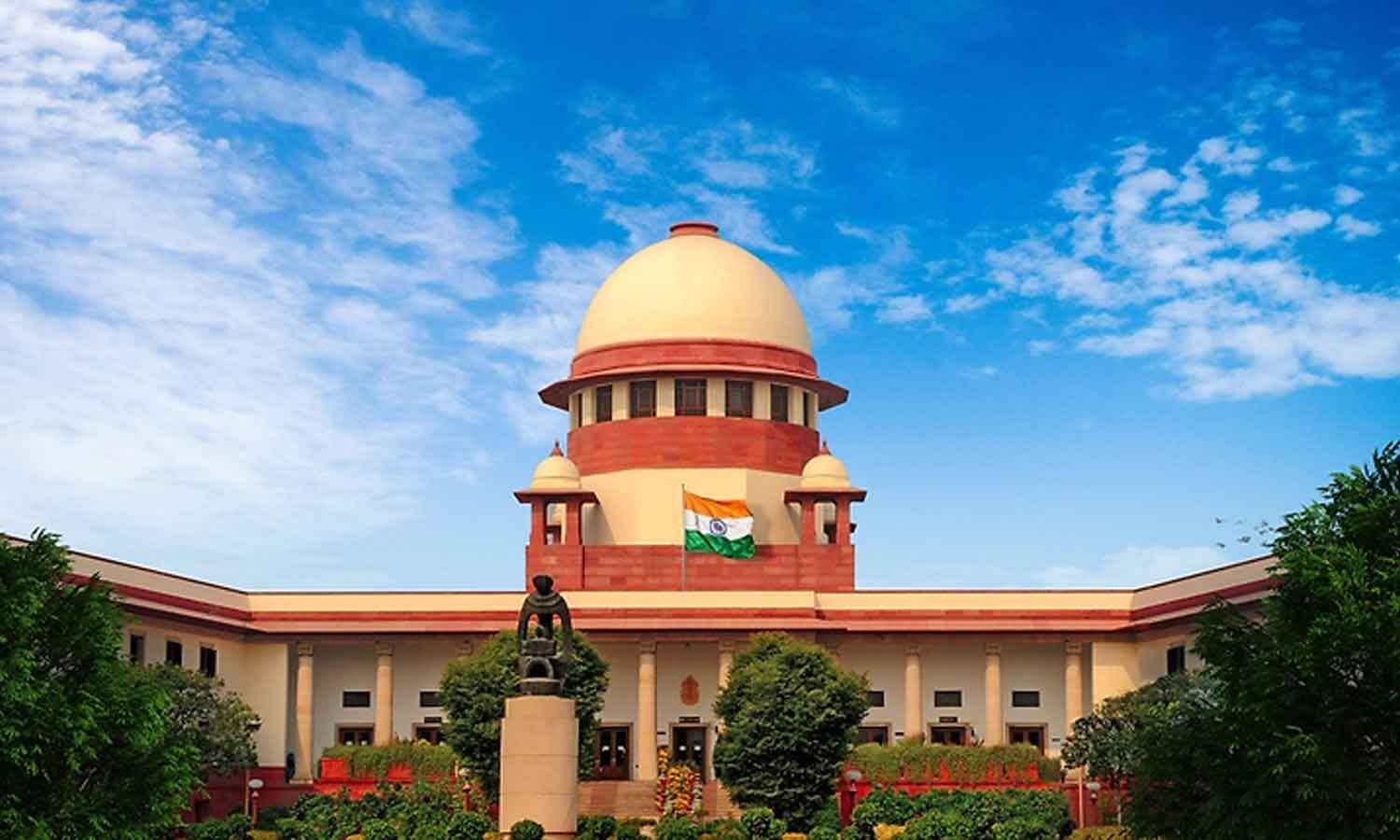
Supreme Court Closes Case After NCERT Withdraws Judiciary Chapter
Himachal Court Clears Contempt Action Over Corruption Allegation

Supreme Court Seeks Response on Probe Into Cockroach Janta Party
Bar Council drops inquiry against NALSAR students opposing CJI

Supreme Court Quashes NEET Protest FIRs, CJP Cancels Rally
Subhash Chandra Challenges Five-Member NCLT Bench in Insolvency Case
Supreme Court Limits Manan Mishra’s Pro Tem BCI Role
Subhash Chandra Challenges Five-Member Bench in Insolvency Case

Subhash Chandra Challenges NCLT Bench as NCLAT Appeal Waits