Archive · 11 Jan 2026
India's Gig Workers Face Precarious Conditions
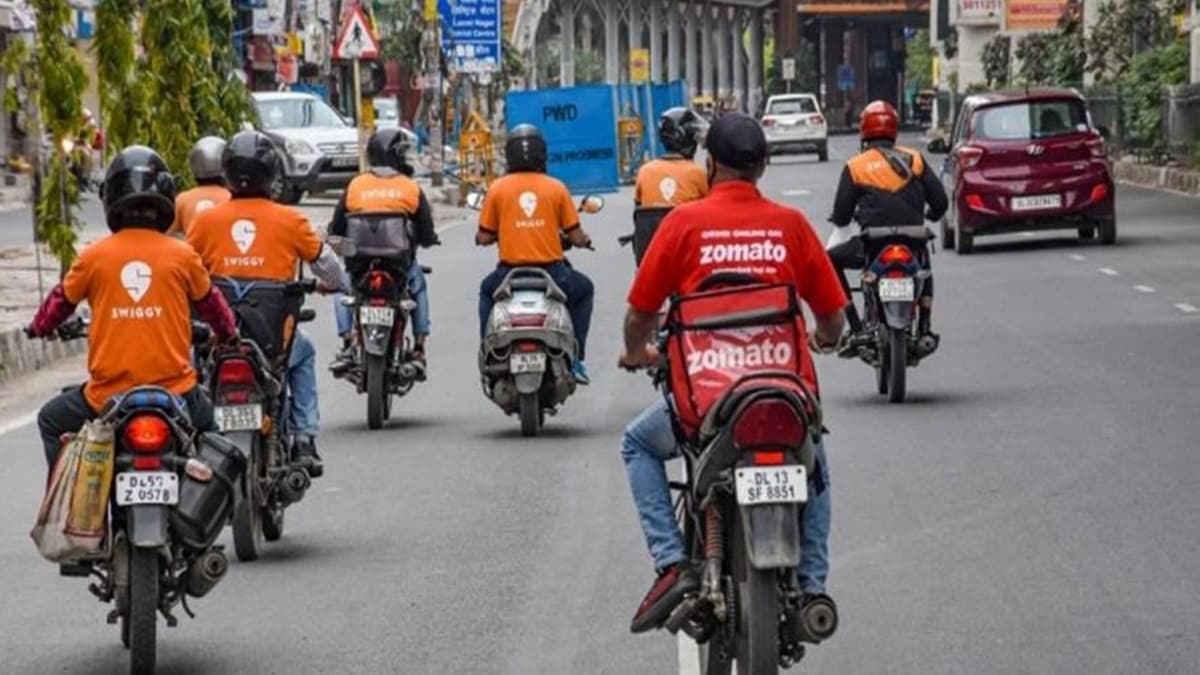
In India, many people work as delivery partners for apps like Zomato and Blinkit.
These workers often face tough conditions.
They can be blocked from working without a good reason, and they don't have the same protections as regular employees.
Some workers earn very little money, and it's hard for them to protest because they can't afford to miss work.
There are also legal cases happening to try to make things better for these workers.
Until the laws change, many gig workers will continue to struggle.

Gig workers in India face arbitrary ID blocking and lack of social security.
Workers often earn low wages and have no protection during emergencies.
A Supreme Court case is pending to recognize gig workers as employees with social security benefits.
The incentive system makes it difficult for workers to protest or strike.
Gig workers want their IDs protected and a right to be heard before deactivation.
- Who
- Gig workers in India, including delivery partners for apps like Zomato and Blinkit
- What
- Gig workers face precarious conditions, including arbitrary ID blocking and lack of social security
- When
- Current issues, with a Supreme Court case pending
- Where
- India, with specific cases in Bengaluru and Hyderabad
- Why
- Gig workers seek protection, fair treatment, and social security benefits
- Estimated Gig Workers
- 7.7 million in 2020-21, projected to reach 23.5 million by 2029-30
- Quick Commerce Users
- 40-45 million unique monthly transacting users
- Average Earnings (2019)
- Rs 28,000 per month
- Current Earnings (Example)
- Rs 847 for 31 orders after deductions
- Legal Action
- Telangana High Court issued notice to Zomato and Labour Commissioner
- Social Security Status
- Uncertain, pending Supreme Court ruling