

Archive · 2 Sep 2025
India's Migrant Potential: Sustainable Urban Growth Strategies
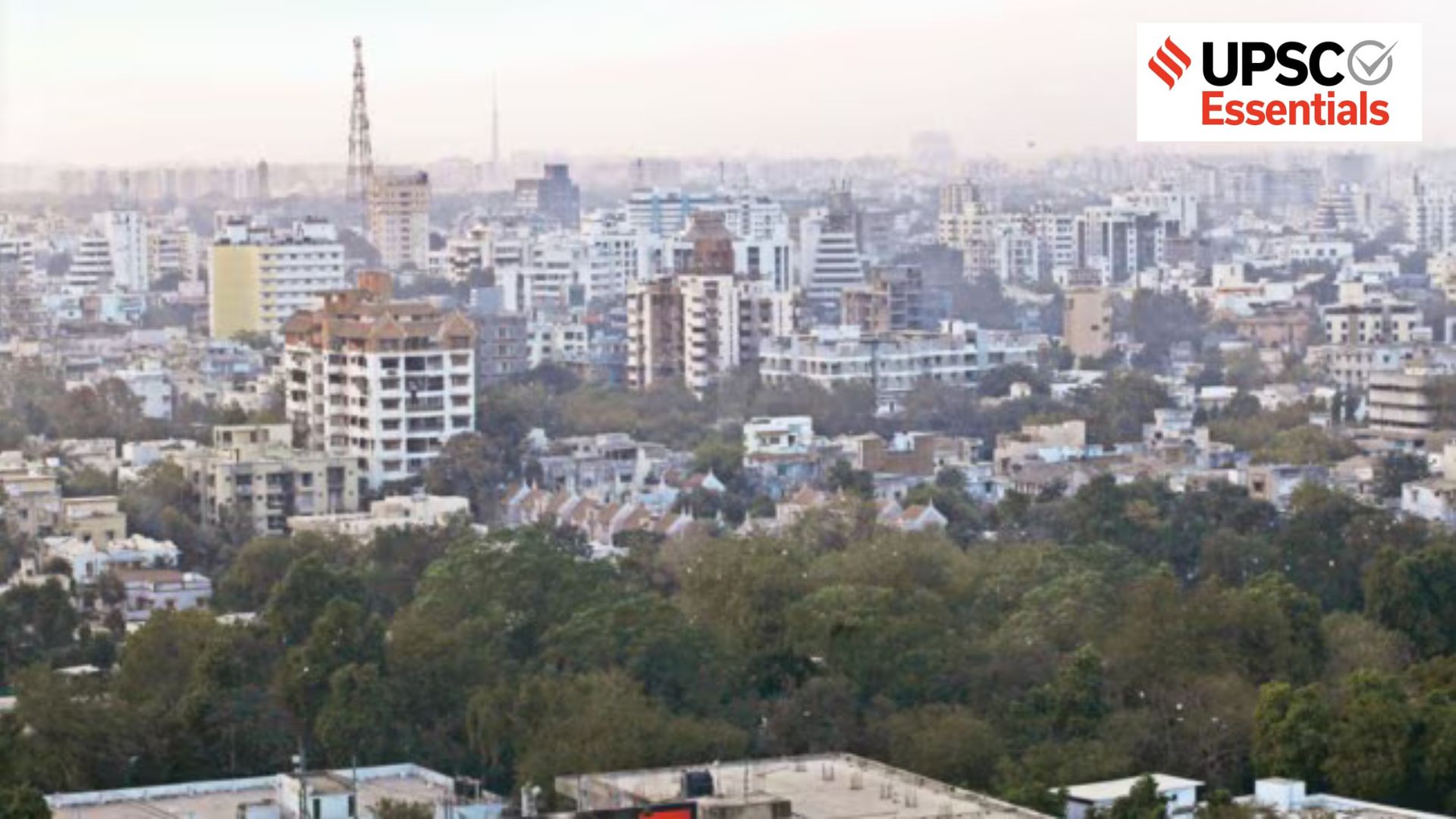
Imagine many people moving to cities in India for work.
This creates challenges, so the government and cities are working on making things better.
They want to make sure these migrants have access to things like food, education, and housing.
One idea is to make it easier to get food and other benefits no matter where they move.
They're also helping migrant kids go to school and planning cities with them in mind.
This includes things like climate-resilient infrastructure, which is important to help them from extreme heat or changing weather.

India faces large-scale internal migration to urban areas, creating challenges for migrants.
Making cities migrant-inclusive is essential for achieving Sustainable Development Goals (SDGs).
Key strategies include migration data collection, tracking migrants, and portability of entitlements.
Education for migrant children and participatory urban planning are crucial.
Climate-resilient infrastructure and affordable housing are vital for migrant communities.
- Who
- Internal migrants and urban governance systems in India.
- What
- Strategies to redirect migrant potential toward sustainable urban growth in India.
- When
- The COVID-19 pandemic highlighted issues with internal migration; various initiatives have been launched since.
- Where
- India's urban areas, with a focus on cities like Kerala and Chennai.
- Why
- To make cities equitable and inclusive for migrants, address SDG 11, and foster sustainable urban development.
- Internal Migrants (India, 2011)
- Approximately 450 million
- Key Initiative
- One Nation, One Ration Card (ONORC)
- NDMA Advisory
- Requires inclusion of informal/migrant workers in city Heat Action Plans.
- Kerala Initiative
- Kerala Migration Survey (KMS) since 1998
- Kerala Education Initiative
- Jyothi Initiative for migrant children