Archive · 13 Nov 2025
Supreme Court Urges India to Update EV Policy, Suggests Ban on Luxury Petrol/Diesel Cars
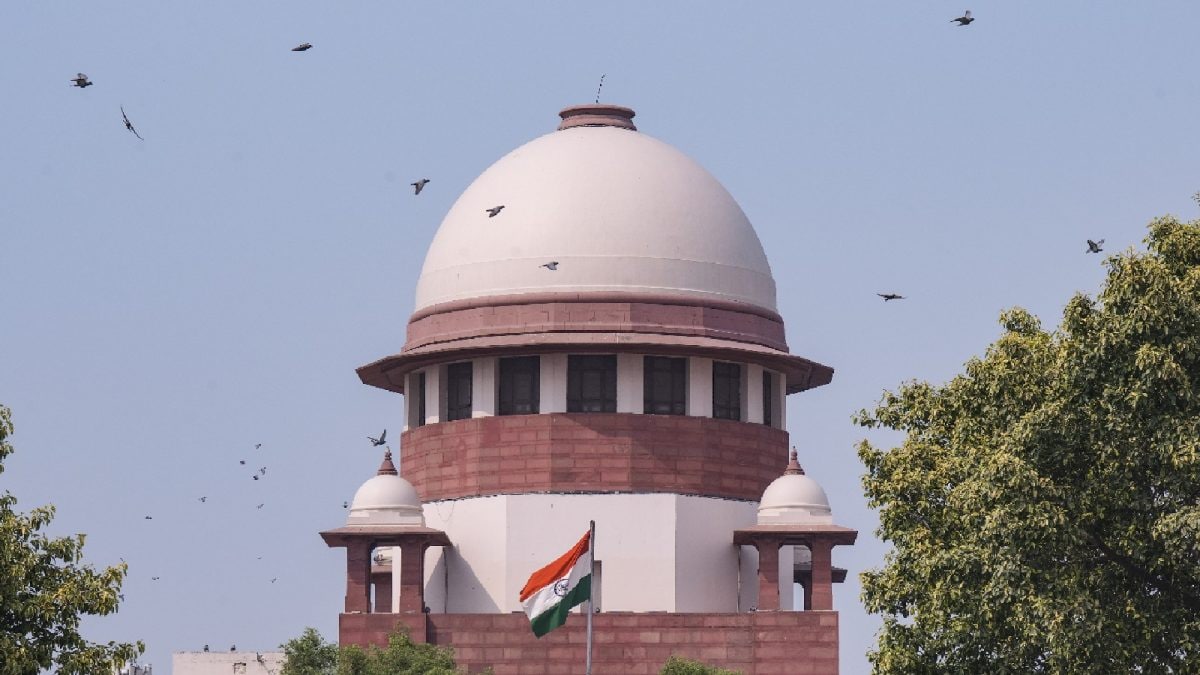
The Supreme Court of India told the government it needs to update its plan from 2020 for electric cars.
The judges think the plan needs to be changed because a lot has happened with technology and the market in the last five years.
They suggested starting with a small test in a big city.
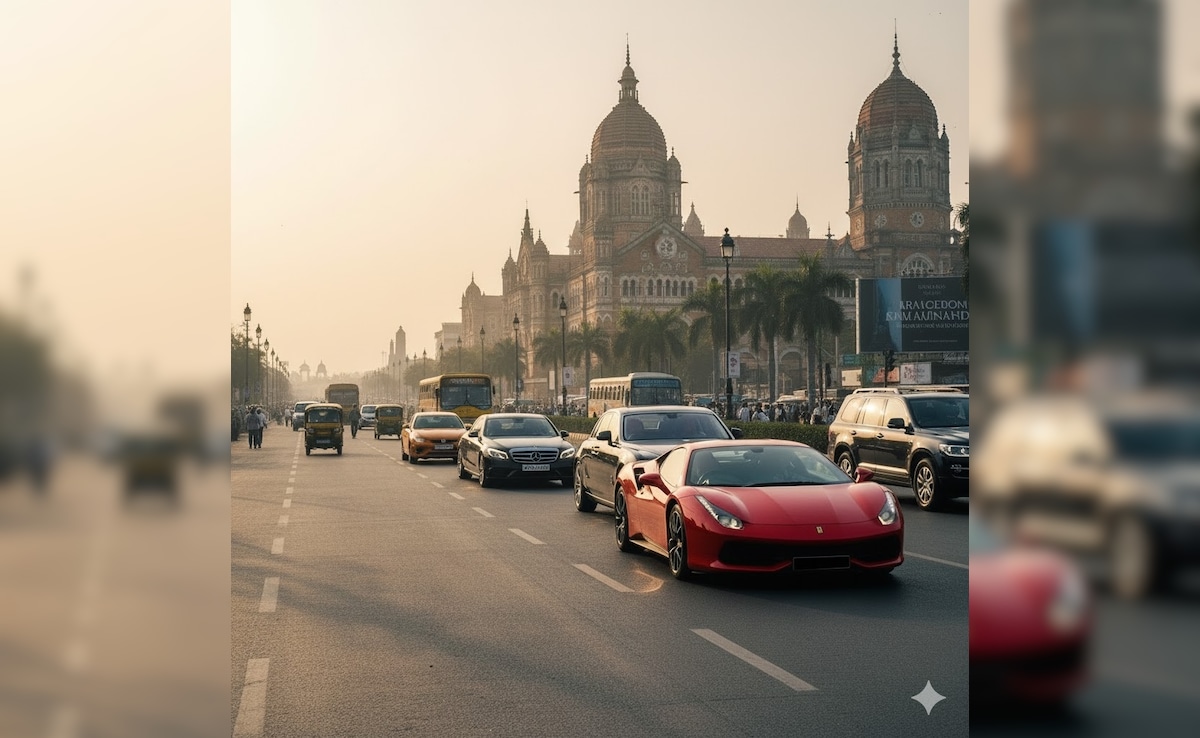
The court also pointed out that there are now many good, fancy electric cars available.
Because of this, they suggested the government could stop selling big, gas-guzzling cars like petrol and diesel ones, but only the expensive ones so it doesn't affect regular people.
The government's lawyer said that many different ministries are looking into this and they are open to the idea of banning luxury gas cars.
The court wants the government to create a new plan soon.
This is important because using more electric cars can help keep the air clean for everyone.

The Supreme Court urged the Centre to update its 2020 electric vehicle (EV) policy to reflect recent technological and market changes.
The court suggested implementing the updated policy through a pilot project starting in a metropolitan city.
Justices noted the availability of high-end electric cars and suggested phasing out luxury petrol and diesel vehicles to promote EV adoption.
The Attorney General informed the court that 13 ministries are reviewing the feasibility of EV adoption and assured a decision would be made soon.
The petitioners argued that faster adoption of EVs is essential to protect citizens' fundamental right to a clean environment.
- Who
- Supreme Court bench (Justices Surya Kant and Joymalya Bagchi), Centre (represented by Attorney General R. Venkataramani), NGO Centre for Public Interest Litigation (CPIL)
- What
- The Supreme Court urged the Centre to update its 2020 electric vehicle policy and suggested phasing out luxury petrol and diesel cars to promote EV adoption. The court also suggested a pilot project in a metropolitan city.
- When
- Thursday, November 13, 2025
- Where
- India
- Why
- To update the EV policy in line with technological and market changes, promote faster adoption of electric vehicles, and protect citizens' right to a clean environment.
Supreme Court's Direction
Government's Response
EV Policy Revision and Implementation
Supreme Court's Direction
The Supreme Court urged the Centre to update its 2020 electric vehicle (EV) policy to reflect current technological and market changes and suggested a pilot project in a metropolitan city. The court also emphasized the need for incentives for EV buyers, government adoption, and charging infrastructure.
Government's Response
The Attorney General informed the court that an inter-ministerial group of 13 ministries is studying the feasibility of EV adoption and assured that a decision on the updated policy would be made soon. The government is open to the suggestion of phasing out luxury petrol and diesel cars.
Promoting EVs for Environmental Protection
Supreme Court's Direction
The petitioners argued that faster adoption of electric vehicles is crucial to protect citizens' fundamental right to clean air and a healthy environment.
Government's Response
The Attorney General stated that the government is allied with the idea of promoting EVs, acknowledging the availability of high-end electric cars and the potential for phasing out large petrol and diesel vehicles without affecting the common man.
- Court Hearing Date
- Next hearing in four weeks (implied)
- Court Bench
- Justices Surya Kant and Joymalya Bagchi
- Petitioner
- Centre for Public Interest Litigation (CPIL)
- Government Representative
- Attorney General R. Venkataramani
- Policy Mentioned
- National Electric Mobility Mission Plan (NEMMP) 2020
- Ministries Involved in Review
- 13
- Date of Article Update
- November 13, 2025