Archive · 20 Jul 2026
FIFA World Cup 2026: Record Revenue and Commercial Success
The FIFA World Cup 2026 was a huge success for FIFA, making over $13 billion.
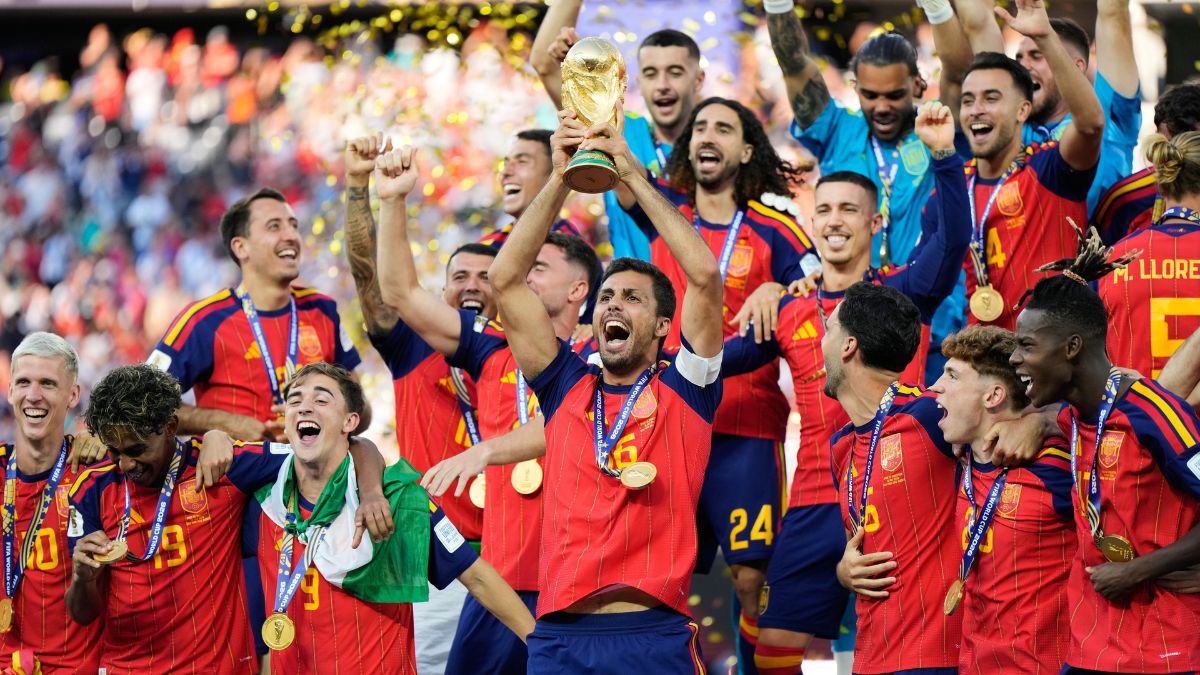
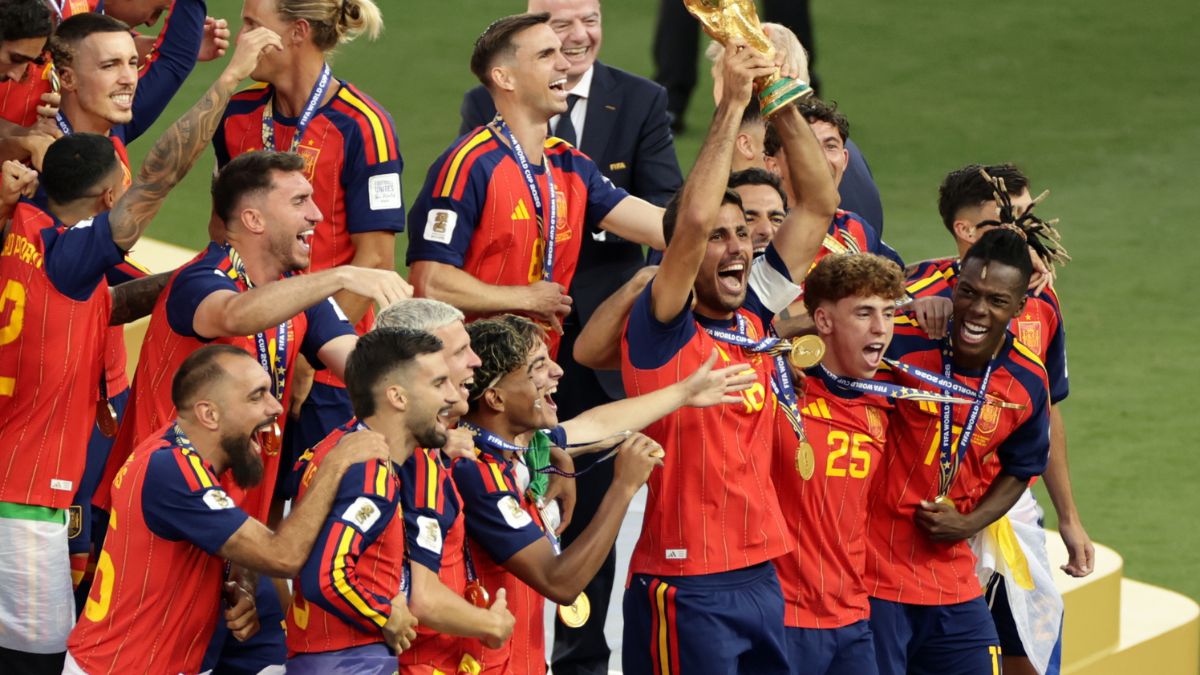
Spain won the tournament by beating Argentina.
Even though ticket prices were very high, almost all seats were filled.
FIFA used a new system where ticket prices changed based on demand.
This made the World Cup one of the most expensive and profitable sporting events ever.
Fans showed they were willing to pay a lot to watch the best teams play.
The tournament also had very high attendance, with almost all matches sold out.
This shows how popular and valuable the World Cup has become.
FIFA plans to use the money to support football development worldwide.

FIFA generated over $13 billion from the 2023-2026 World Cup cycle.
Record attendance of 99.7% was achieved despite high ticket prices.
Dynamic pricing allowed ticket costs to fluctuate based on demand, reaching up to $32,000 for the final.
Spain won the World Cup 2026 by defeating Argentina in the final.
The expanded 48-team tournament maintained global interest with top-ranked teams advancing deep into the knockout stages.
- Who
- FIFA, football fans, and host countries
- What
- Record revenue and commercial success of the 2026 FIFA World Cup
- When
- 2023-2026
- Where
- United States, Mexico, and Canada
- Why
- Expanded tournament format, dynamic pricing, and increased commercial activities
Commercialization Supporters
Traditionalists
Tournament Format and Pricing
Commercialization Supporters
Dynamic pricing and expanded tournament format increased revenue and accessibility.
Traditionalists
High ticket prices and commercialization diluted the traditional World Cup experience.
Half-Time Show
Commercialization Supporters
Innovative entertainment enhanced the global appeal of the tournament.
Traditionalists
Extended half-time shows disrupted the traditional flow of the game.
- Total Revenue
- $13 billion
- Broadcasting Rights
- $4 billion
- Sponsorships
- $1.8 billion
- Ticket Sales and Hospitality
- Significant increase due to expanded tournament and dynamic pricing
- Prize Pool and Club Benefits
- Funded by tournament earnings
- Economic Impact on Host Countries
- $20 billion estimated contribution to North American economy
- Future Projections
- $14 billion expected for the next cycle