Archive · 9 Nov 2025
NGT Orders Crackdown on 1,700 Industries Dumping Waste in Ganga, Yamuna
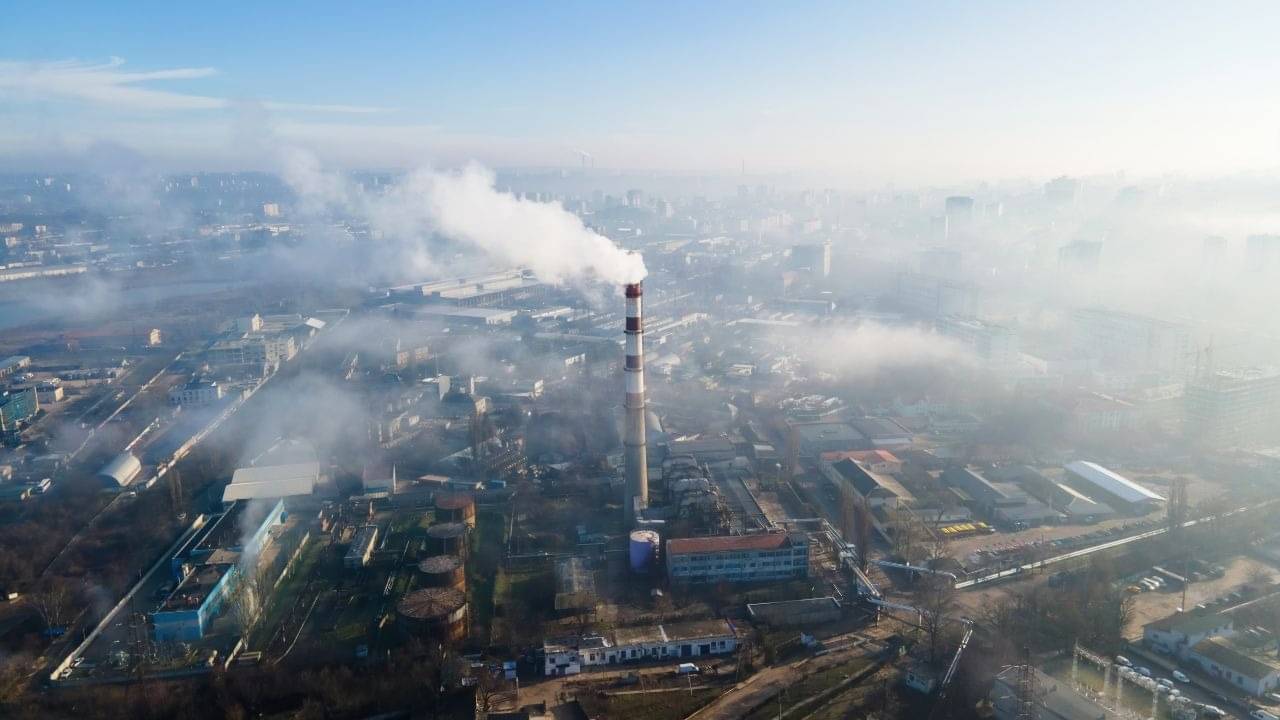
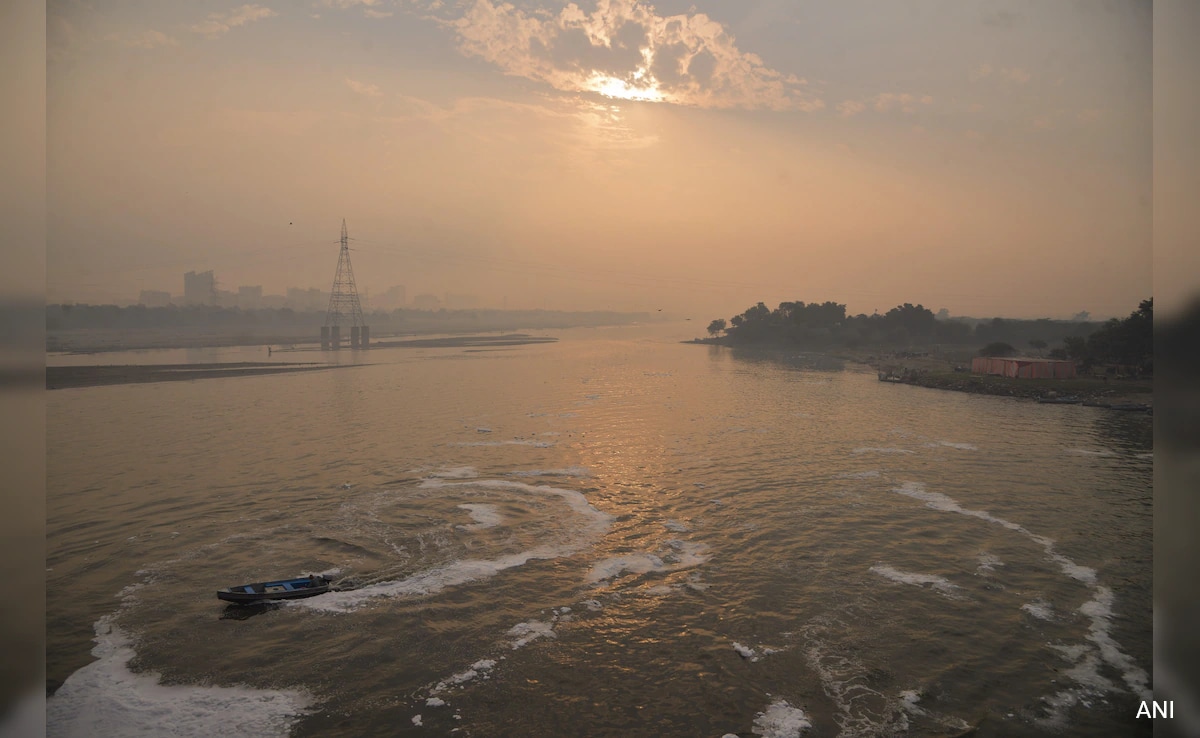
Some factories are making our rivers, like the Ganga and Yamuna, very dirty by dumping their wastewater.
These factories are called 'Grossly Polluting Industries.'
The government has a special 'eye' system called OCEMS that these factories are supposed to use to show how much dirty water they are releasing.
But many factories, over 1,700 of them, haven't installed these 'eyes' even though they were told to.
This means we can't easily see if they are polluting the rivers.
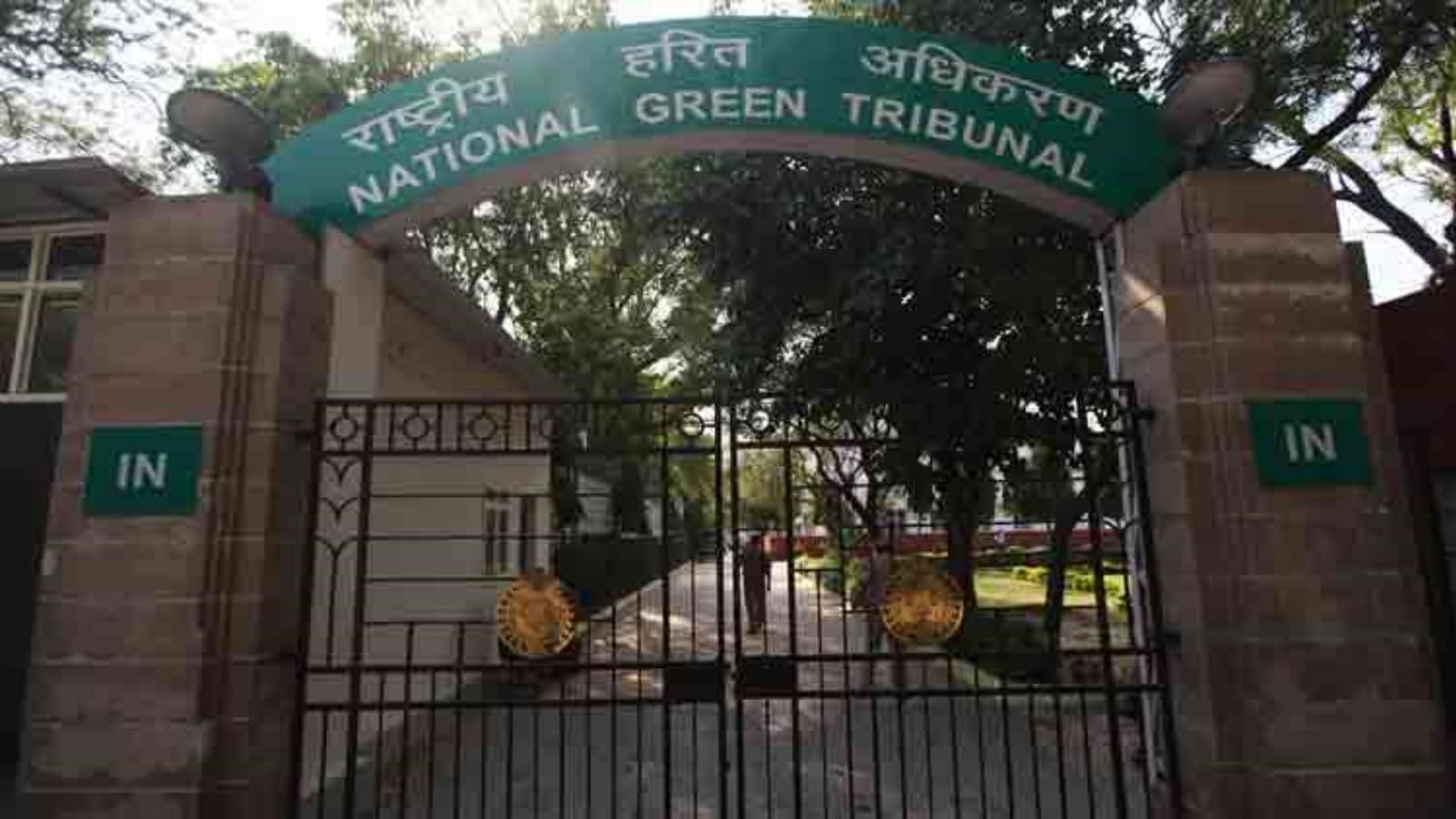
A special environmental court, the NGT, noticed this big problem.
The NGT told the pollution checkers to make sure all these factories install their 'eyes' right away.
They also told the pollution checkers to take action against the factories that are still not following the rules.
This is to help keep our rivers clean and safe for everyone.

NGT orders CPCB and pollution control bodies in UP, Haryana, Bihar, and Delhi to ensure immediate installation of OCEMS in over 1,700 non-compliant industrial units.
The directive targets Grossly Polluting Industries (GPIs) alleged to be discharging untreated effluents into rivers like the Yamuna and Ganga.
As per CPCB data, over 1,700 GPIs across these four states are reportedly operating without the mandatory real-time monitoring systems.
Industries discharging over 10 kilolitres of wastewater daily must install OCEMS for monitoring key parameters.
SPCBs and DPCC must submit compliance reports within two months, followed by CPCB's remedial/punitive actions and a consolidated report to NGT.
- Who
- The National Green Tribunal (NGT), Central Pollution Control Board (CPCB), and State Pollution Control Boards (SPCBs) and Pollution Control Committees (PCCs) of Delhi, Uttar Pradesh, Haryana, and Bihar.
- What
- Directed the immediate installation of Online Continuous Effluent Monitoring Systems (OCEMS) in over 1,700 Grossly Polluting Industries (GPIs) that are allegedly discharging untreated effluents into the Ganga and Yamuna rivers and have failed to comply with previous directives.
- When
- The order was given recently, with compliance reports from state bodies due within two months. CPCB will take action thereafter, and a consolidated report will be submitted to the NGT.
- Where
- In industrial units located in Delhi, Uttar Pradesh, Haryana, and Bihar, discharging into rivers like the Yamuna and Ganga.
- Why
- To ensure real-time monitoring of industrial wastewater quality, prevent the discharge of untreated effluents, and enforce environmental regulations to protect critical water bodies due to a large number of defaulting industries.
Grossly Polluting Industries (GPIs)
Environmental Regulators (NGT, CPCB, SPCBs)
Compliance with OCEMS Installation Mandate
Grossly Polluting Industries (GPIs)
Allegedly operating without installing mandatory Online Continuous Effluent Monitoring Systems (OCEMS) despite previous directions and CPCB's lists identifying them as non-compliant.
Environmental Regulators (NGT, CPCB, SPCBs)
Directing immediate installation of OCEMS to monitor real-time discharge of industrial wastewater and ensure adherence to environmental norms.
Enforcement and Monitoring of Effluent Discharge
Grossly Polluting Industries (GPIs)
Continuing to discharge untreated effluents into rivers like the Ganga and Yamuna, with state bodies accused of taking 'inadequate action'.
Environmental Regulators (NGT, CPCB, SPCBs)
Demanding prompt action, strict monitoring of OCEMS data, and appropriate remedial and punitive action against defaulting units to protect critical water bodies.
- Regulator
- National Green Tribunal (NGT)
- Responsible Agencies
- Central Pollution Control Board (CPCB), State Pollution Control Boards (SPCBs) of UP, Haryana, Bihar, Delhi Pollution Control Committee (DPCC)
- Mandatory System
- Online Continuous Effluent Monitoring Systems (OCEMS)
- Purpose of OCEMS
- Real-time tracking and monitoring of industrial wastewater discharge quality (pH, flow, BOD, COD, TSS).
- Affected Industries
- Grossly Polluting Industries (GPIs) discharging more than 10 kilolitres of effluents daily.
- Defaulting Industries Cited
- 704 in Uttar Pradesh, 812 in Haryana, 21 in Bihar, and 149 in Delhi (totaling over 1,700).
- Compliance Report Deadline for SPCBs/DPCC
- Within two months from the date of the order.
- CPCB Action Deadline
- To take appropriate remedial and punitive action after receiving compliance reports.
- Consolidated Report to NGT Deadline
- After the CPCB's actions, for relisting if required.
Sources
NGT Issues Directions to Ensure Installation of OCEMS in Grossly Polluting Industries in UP, Bihar, Delhi, and Haryana
Ensure immediate installation of tracking devices: NGT to watchdog on industrial units polluting Yamuna, Ganga