Archive · 14 Jan 2026
Trump's Davos Return Amid Global Tensions

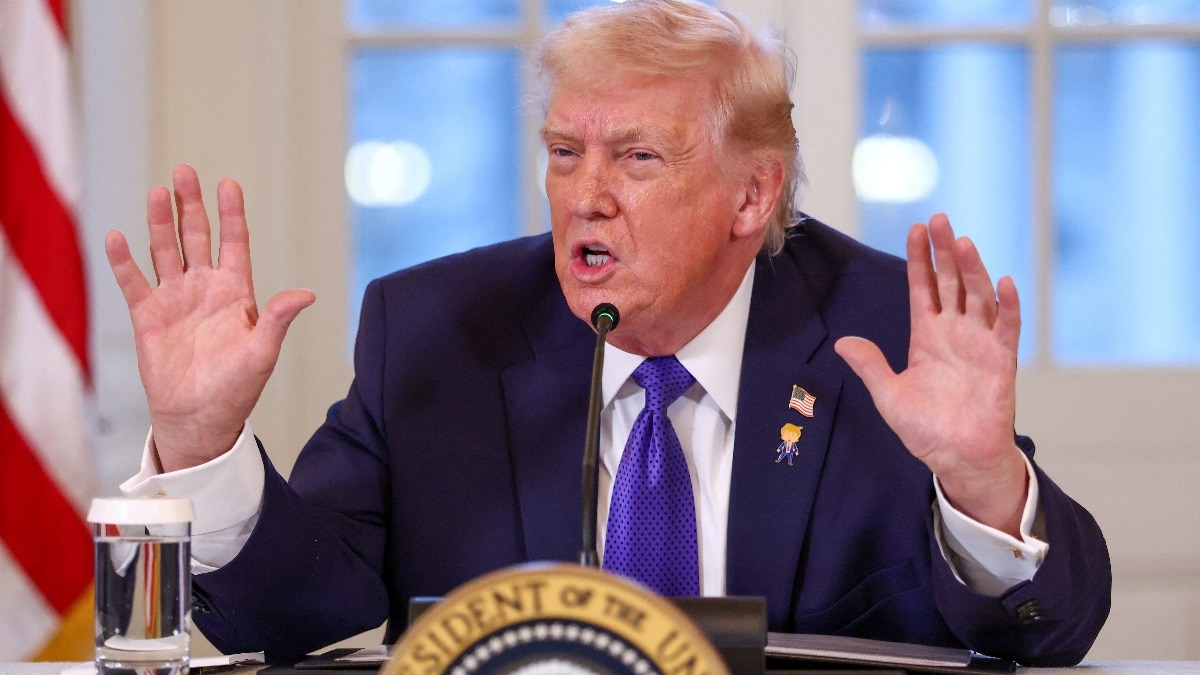
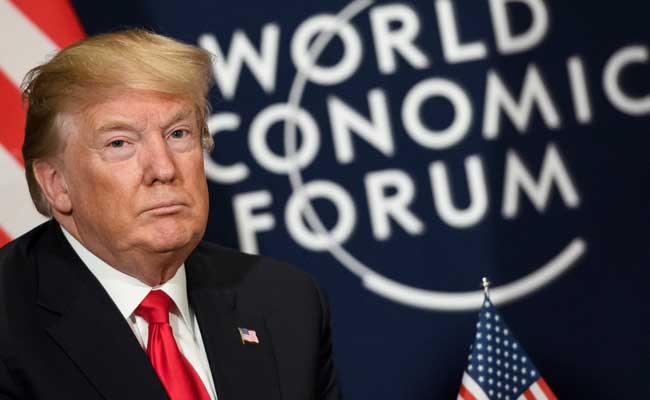
President Donald Trump is going to a big meeting in Switzerland called the World Economic Forum in Davos.
He will bring the largest group of people from the U.S. ever to this meeting.
People are wondering how Trump, who likes to put America first, will fit in with the ideas of open markets and working together that Davos usually talks about.
Trump has been doing things that make other countries worried, like putting up trade barriers and pulling out of international groups.
Some people think this is good for America, while others think it makes the world less stable.
At Davos, leaders from around the world will talk about these changes and try to find ways to work together.
They will also talk about new technologies and how to deal with big global problems.

President Donald Trump will attend the World Economic Forum in Davos with the largest U.S. delegation ever.
Trump's protectionist policies and rejection of multilateralism have caused global unease and concerns about the future of international cooperation.
The Davos summit will focus on dialogue and adaptation to new geopolitical realities, including Trump's actions in Ukraine, Venezuela, Gaza, Greenland, and Iran.
Economists and analysts suggest that 2025 marks the end of neoliberal globalization and the beginning of a post-globalization era.
Global leaders, including those from China, the EU, and Ukraine, will attend the summit to discuss trade, security, and global challenges.
- Who
- U.S. President Donald Trump and various global leaders and officials
- What
- Trump's aggressive foreign policy actions and rhetoric reshaping the global order
- When
- January 2025, with ongoing implications
- Where
- Global, with specific actions in Venezuela, Iran, Greenland, and discussions at the World Economic Forum in Davos
- Why
- Trump's 'America First' agenda and desire to restore U.S. dominance, leading to military interventions, trade tariffs, and threats to annex territories
Pro-Trump View
Anti-Trump View
Trade and Tariffs
Pro-Trump View
Trump's tariffs are necessary to protect American industries and ensure national security.
Anti-Trump View
Trump's tariffs are protectionist and disrupt global trade, leading to economic fragmentation.
Multilateralism
Pro-Trump View
Trump's approach prioritizes U.S. interests and security, which is essential in a competitive global environment.
Anti-Trump View
Trump's rejection of multilateral institutions weakens international cooperation and global stability.
- Key Figures
- Donald Trump, Borge Brende, Karen Harris, Philippe Dauba-Pantanacce, Pascal Lamy, Jensen Huang, Satya Nadella
- Countries Involved
- United States, China, European Union, Ukraine, Venezuela, Iran, Japan, South Korea, Mexico, Brazil
- Actions Taken
- Trump's tariffs, withdrawal from international organizations, largest U.S. delegation to Davos, private meetings on geopolitical issues
- International Reactions
- Concerns from U.S. allies, European leaders, Asian partners, and global elites
- Global Impact
- Undermining of the rules-based global order, resurgence of spheres of influence, potential for increased global conflict
- Key Events
- Davos Summit, Trump's address, private meetings on geopolitical flashpoints, EU-Mercosur trade deal, China's export shifts
- World Economic Forum
- Discussions on global order, AI, energy dominance, and trade tensions
- Oil Industry
- Increased attendance of oil executives at Davos, focus on drilling for oil and gas
Sources
Davos begins new era grappling with global order shaken by Trump
Trump’s exercise of raw power upends world order, sending friends and foes reeling
Davos 2026: From AI to climate risks, 5 defining themes set to shape talks at the World Economic Forum
Davos 2026: Donald Trump returns to Davos, leads US team at WEF as geopolitics takes centre stage
Trump To Return To Davos Summit With Largest-Ever US Delegation