1 week ago
Walmart Shares Plunge as U.S. Sales Growth Hits Six-Year Low
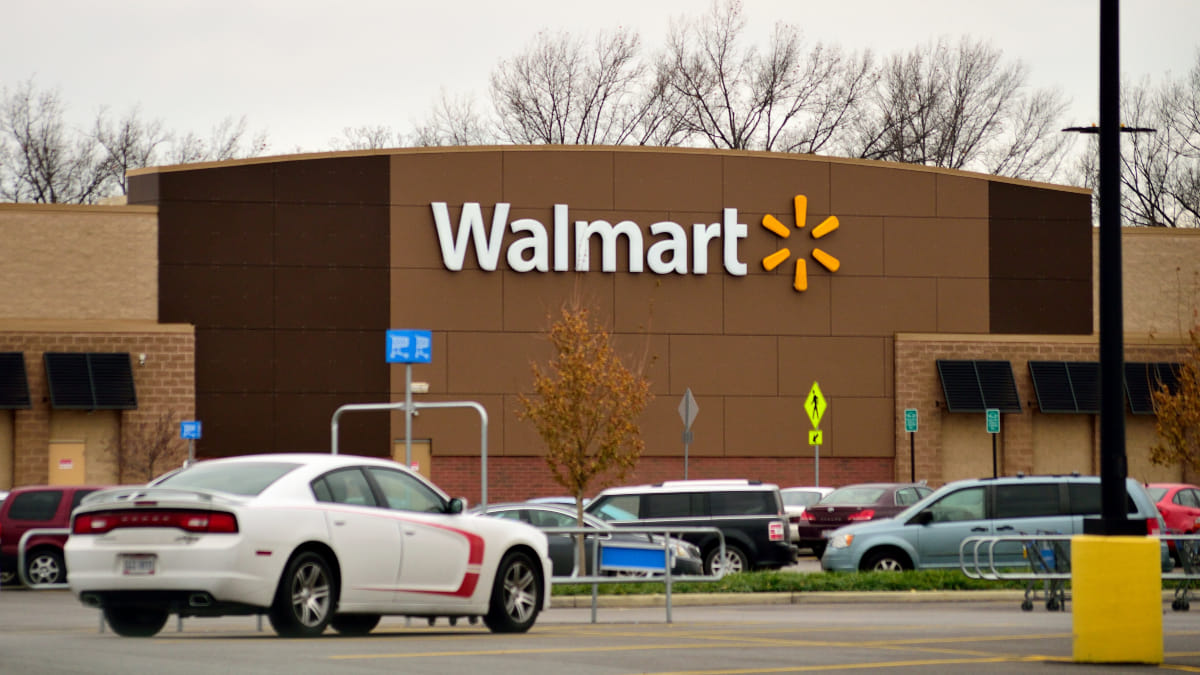
Walmart said shoppers in the United States spent less than expected.
Its store sales grew only a little compared with the same period before.
This was the slowest growth Walmart had reported in more than six years.
Higher gasoline prices made some families choose more carefully what to buy.
Lower prices for some medicines also reduced sales growth in Walmart’s pharmacy business.
Walmart still earned more revenue and profit than experts expected.
It raised its sales forecast for the entire year.
However, its prediction for the next quarter was weaker, so investors pushed the company’s share price down.

Walmart’s U.S. comparable sales excluding fuel rose 2.6%, the slowest quarterly growth in more than six years and below analysts’ estimates.
Shares fell 10% to $103, a nine-month low, after Walmart missed comparable-sales expectations for the first time in more than five years.
Rising gasoline prices led consumers, especially lower-income households, to make spending trade-offs and seek better value.
Pharmacy pricing pressure, including a price cap on 10 top-selling drugs, weighed on U.S. sales growth.
Fiscal second-quarter revenue rose 5.9% to $187.94 billion and adjusted earnings reached $0.81 per share, but Walmart forecast weaker third-quarter growth.
- Who
- Walmart, its customers, investors, analysts and CFO John David Rainey.
- What
- Walmart reported its slowest U.S. comparable-sales growth in more than six years, while quarterly revenue and adjusted earnings exceeded expectations.
- Where
- The sales slowdown occurred in Walmart’s U.S. operations, and the shares fell in the U.S. market.
- When
- The results and share-price reaction were reported on Thursday, 20 August; the figures covered Walmart’s fiscal second quarter.
- Why
- Consumers became more cautious amid higher gasoline prices, while pharmacy price reductions and broader pricing pressure also weighed on sales growth.
Evidence of Consumer Weakness
Evidence of Walmart Resilience
Sales momentum
Evidence of Consumer Weakness
U.S. comparable-sales growth slowed to 2.6%, store-traffic growth declined from 3% to 1.5%, and Walmart missed comparable-sales estimates.
Evidence of Walmart Resilience
Walmart said it continued to gain market share, including in groceries, and had lowered prices on various products.
Quarterly performance
Evidence of Consumer Weakness
Pharmacy pricing pressure, higher gasoline costs and cautious spending weakened domestic sales growth.
Evidence of Walmart Resilience
Revenue and adjusted earnings exceeded expectations, with results also receiving a boost from U.S. tariff refunds.
Outlook
Evidence of Consumer Weakness
Walmart’s third-quarter earnings and sales-growth forecasts were below analysts’ estimates, raising concerns about near-term growth.
Evidence of Walmart Resilience
The company raised its full-year sales and adjusted-operating-income guidance and cut prices on 11,000 items during the quarter.
Key facts
- Share-price reaction
- Walmart shares fell 10% to $103, their lowest level in nine months.
- U.S. comparable sales
- Sales excluding fuel increased 2.6%, down from 4.1% in the first quarter.
- Fiscal second-quarter revenue
- Revenue rose 5.9% to $187.94 billion.
- Adjusted earnings
- Adjusted earnings were $0.81 per share, above market expectations.
- Pharmacy pricing
- A price cap on 10 top-selling pharmaceutical products took effect on 1 January and weighed on sales growth.
- Full-year guidance
- Walmart forecast fiscal 2027 net-sales growth of 4% to 5%, up from its earlier 3.5% to 4.5% forecast.
- Third-quarter guidance
- Adjusted earnings were expected at 62 to 64 cents per share, below the 68-cent analyst estimate; net-sales growth was forecast at 3% to 3.75%.
Quotes
John David Rainey
Walmart’s chief financial officer
“When fuel prices increase and get above $4, perhaps there's a psychological impact to that ... consumers are making trade-offs.”
 theprint.in
 livemint.com
Sources

Related news

Walmart Shares Fall Despite Strong Q2 and Raised Outlook

US Drug Prices Fall at Fastest Rate in 63 Years
Wall Street Slides as Bond Yields Rebound, Walmart Drops

Stocks Drift Near Records as Wall Street Awaits Retail Earnings

Flipkart Sale Shift Creates Walmart Q3 Sales Headwind