

Archive · 15 Nov 2025
Influencers Transform Film Promotions from Reels to Reality
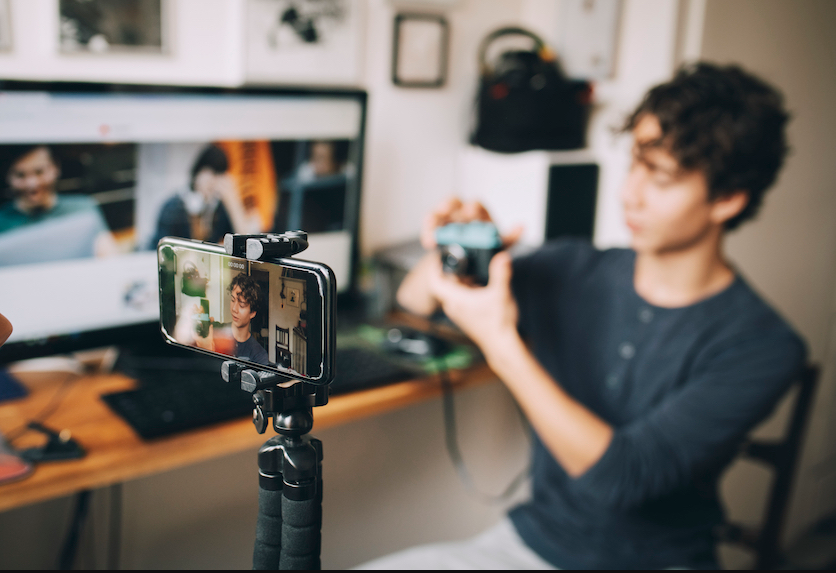
Imagine your favorite movie stars used to only talk about movies on TV or big posters.
Now, your favorite social media creators, like those on TikTok or Instagram, are helping promote movies too!
Instead of just ads, they dance to movie songs, act out movie lines, or share their honest thoughts about a film.
This makes movies feel more like something your friend recommended, not just a big advertisement.
Filmmakers invite these creators to movie sets and events, making the whole promotion feel more fun and real.
It's like movies are released not just in theaters, but also on your phone screen through these creators.
While sometimes it's hard to know if a creator is paid to say something nice, this new way of promoting movies really connects with people today.
It’s a new way for stories to reach us, making movies feel closer to our everyday lives.

Film promotion has shifted significantly from traditional methods to social media-driven campaigns.
Influencers offer relatability, making films feel more accessible and like personal recommendations.
Filmmakers are increasingly involving influencers in sets, events, and social media takeovers.
This strategy capitalizes on the trust influencers have built with their audiences for informal promotion.
Challenges include oversaturation and transparency issues within influencer marketing.
- Who
- Film producers and influencers
- What
- Shifting film promotion strategies from traditional methods to influencer-driven campaigns leveraging social media
- When
- Present day (shift happening over time, 'reel by reel')
- Where
- Social media platforms and film sets/events
- Why
- To leverage the relatability and trust influencers have with their audiences, making film promotion feel more authentic and accessible.
Arguments for Influencer Marketing
Challenges of Influencer Marketing
Relatability and Authenticity
Arguments for Influencer Marketing
Influencers make films feel more accessible and relatable to audiences, akin to a friend's recommendation, breaking down barriers between celebrities and the public.
Challenges of Influencer Marketing
There's a risk of oversaturation and lack of transparency, where paid promotions can drown out genuine opinions, potentially misleading audiences.
Audience Trust and Engagement
Arguments for Influencer Marketing
Influencers build trust through informal, human-touch communication, deconstructing film worlds and offering raw impressions that help audiences decide on watching a film.
Challenges of Influencer Marketing
The effectiveness can be diminished if paid promotions are not clearly distinguished, leading to skepticism about the authenticity of the influencer's endorsement.
Cultural Shift in Consumption
Arguments for Influencer Marketing
This approach taps into the modern audience's craving for 'human moments' over polished perfection, making viewers feel involved rather than just marketed to.
Challenges of Influencer Marketing
The focus on viral trends and informal content might overshadow the artistic merit of films, prioritizing immediate engagement over deeper cinematic appreciation.
- Traditional Promotion Methods
- Press meets, TV interviews, hoardings, audio launches
- Modern Promotion Channels
- Reels, vlogs, collaborations, viral social media trends
- Key Benefit of Influencer Marketing
- Relatability and perceived authenticity
- Influencer Involvement
- Set visits, pre-release events, behind-the-scenes tours, social media takeovers
- Impact on Audience Perception
- Makes films feel closer, more accessible, and 'everyday'
- Challenges
- Oversaturation, lack of transparency, risk of drowning out genuine opinions