

Archive · 9 Nov 2025
Africa's Blue Economy Booming: Lessons from Asia for Sustainable Growth
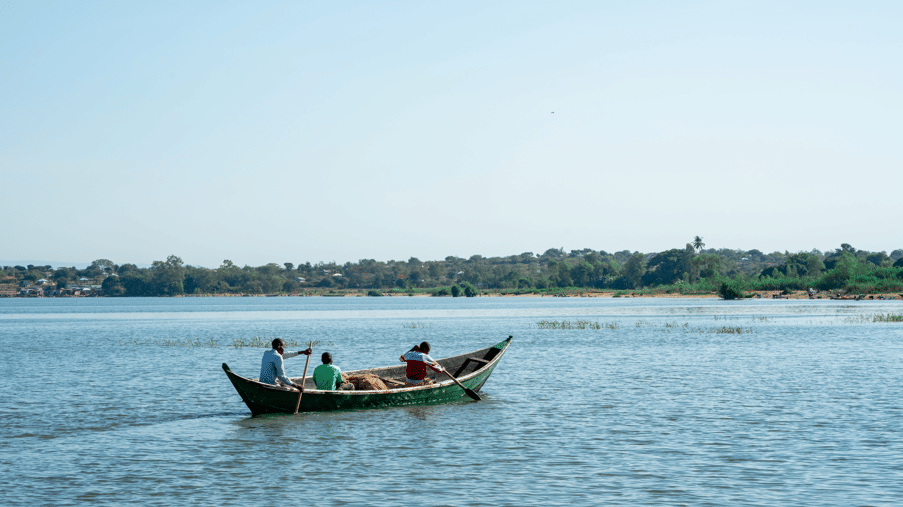
Imagine the ocean is like a big garden that can provide food and jobs, called the 'blue economy.'
Africa's ocean garden is starting to grow a lot, especially with fish farming, which is called aquaculture.
It's like how Asia's ocean garden became super productive over many years.
Now, Africa wants to grow its ocean garden too, but in a way that's good for the environment, unlike some past examples.
By using smart ideas and technology from Asia, like special fish that grow faster or tools to help fishers know about bad weather, Africa can produce more food and create more jobs.
This will help feed people, give them better work, and make the continent stronger, especially as the climate changes.
What Africa really needs now is more money, called investment, to help these ocean farms and businesses grow.
With enough help, Africa's blue economy can become a huge success, benefiting everyone.

Africa's blue economy, particularly aquaculture, is experiencing rapid growth and offers significant potential for economic development and food security.
Asia's aquaculture sector, which produces over 90% of global farmed fish, serves as a model for Africa's development, aiming to replicate gains without environmental harm.
Innovations like digital fisheries monitoring systems and genetically improved tilapia strains (GIFT) are being adapted from Asia for use in various African nations.
The primary obstacle to unlocking Africa's blue economy potential is a lack of sustained and targeted investment, with an identified gap of $12 billion for aquaculture.
Successful development requires a blend of public, private, and philanthropic capital, alongside supportive policies and regional cooperation, to achieve projected growth in value and job creation.
- Who
- Africa and Asia, World Economic Forum, WorldFish, UN's Food and Agriculture Organization
- What
- Developing Africa's blue economy, particularly aquaculture, by learning from Asia's successes while avoiding environmental trade-offs.
- When
- Ongoing, with a focus on current development and future potential up to 2063.
- Where
- Africa, with specific examples in Kenya, Mozambique, Malawi, Zanzibar, Zambia, Cote d’Ivoire, Ghana, and Nigeria. Asia serves as a comparative model.
- Why
- To achieve food security, dignified livelihoods, economic growth, and climate resilience in Africa through sustainable aquatic food systems.
- Africa's Current Blue Economy Value
- $300 billion
- Africa's Current Blue Economy Jobs
- 49 million
- Projected Blue Economy Value (2030)
- $405 billion
- Projected Blue Economy Value (2063)
- $576 billion
- Projected Blue Economy Jobs (2063)
- 78 million
- Investment Gap for African Aquaculture
- $12 billion
- Africa's Current Share of Global Fish Production
- Less than 3%
- Asia's Current Share of Global Fish Production
- More than 90%