Archive · 22 Sep 2026
States Settle Paramount-Warner Lawsuits, Clearing Hurdle For Mega-Merger

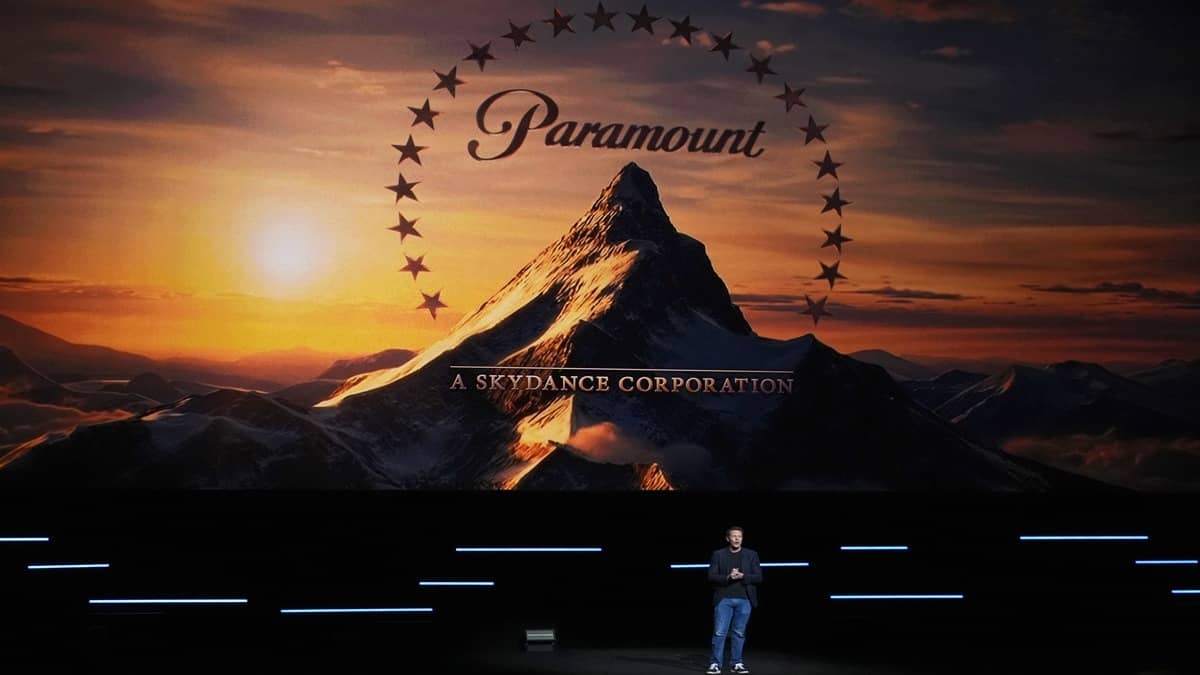
Paramount wants to buy Warner Bros.
Discovery and combine two very large entertainment companies.
Twelve states and the Writers Guild of America sued because they worried the merger could reduce competition and harm workers and customers.
The states and the writers’ union have now agreed to settle their lawsuits.
Paramount promised to spend at least $1.5 billion more on movies made in the United States over five years.
It also agreed to create safeguards for news operations at CNN and CBS.
Paramount must follow commitments about how many movies it releases each year or face penalties.
The Writers Guild said Paramount would not lay off CBS News writers for five years and would contribute to its health fund.
A judge still must approve the settlement.
The reports give different estimates for the deal’s value, ranging from $81 billion to about $111 billion.

Twelve states and the Writers Guild of America settled lawsuits challenging Paramount Skydance’s proposed acquisition of Warner Bros. Discovery.
The settlement still requires final approval from a judge before the merger can close.
Paramount pledged at least $1.5 billion in additional U.S. film production spending over five years.
The terms include editorial-independence monitoring for CNN and CBS, plus penalties tied to Paramount’s annual movie-release commitments.
The reports value the deal differently—at $81 billion, $110 billion, or about $111 billion—and critics still oppose the merger.
- Who
- Paramount Skydance, Warner Bros. Discovery, 12 state attorneys general led by California Attorney General Rob Bonta, and the Writers Guild of America.
- What
- The states and the Writers Guild settled lawsuits challenging Paramount Skydance’s proposed acquisition of Warner Bros. Discovery.
- When
- The settlements were announced Monday; the states filed their lawsuit in July, and judicial approval remains pending.
- Where
- The lawsuits were brought in the United States, including by California and New York; the production commitments concern U.S. film production.
- Why
- The states alleged that the merger could reduce competition and consumer choice, while the Writers Guild argued it could harm writers and the entertainment industry.
Merger Critics and Worker Advocates
Merger Supporters
Competition and consumer choice
Merger Critics and Worker Advocates
The states alleged that combining the companies would extinguish competition, reduce choices for moviegoers and cable customers, and increase Paramount’s power to raise prices.
Merger Supporters
Paramount CEO David Ellison said combining the companies would build a stronger Hollywood, create expanded opportunities for workers, and provide more entertainment for audiences.
Effect on workers and the industry
Merger Critics and Worker Advocates
The Writers Guild said the merger would damage writers and the wider industry, while other critics warned of layoffs, lost contracts, and higher cable bills and movie-ticket prices.
Merger Supporters
Paramount agreed to production spending, worker-training support, limits on CBS News writer layoffs, and funding for the Writers Guild’s health plan.
Newsroom independence
Merger Critics and Worker Advocates
Critics argued that one owner controlling CNN and CBS could threaten independent journalism; Connecticut Attorney General William Tong said he wanted full divestiture of the news organizations.
Merger Supporters
The settlement creates an editorial-independence board or monitoring structure intended to protect CNN and CBS news operations under common ownership.
Whether the merger should proceed
Merger Critics and Worker Advocates
Rob Bonta and other state prosecutors said they still did not believe the companies should merge, while critics called the settlement too weak.
Merger Supporters
Paramount characterized the settlement as complete clearance and said it removed a major legal obstacle to closing the transaction.
- Reported deal value
- The reports describe the transaction as worth $81 billion, $110 billion, or about $111 billion, depending on the valuation used.
- Plaintiffs
- Twelve states, including California and New York, plus the Writers Guild of America.
- U.S. production commitment
- At least $1.5 billion in additional U.S. film production spending over five years, or $300 million annually.
- Film-release commitment
- The reports describe a commitment to release 30 films annually; one report says 30 films for two years followed by 32 films annually for three years.
- Movie shortfall penalty
- Paramount would pay $30 million for each missed film; the detailed state terms also mention possible divestiture of Miramax Studios.
- News safeguards
- A News Editorial Independence Board or independent editorial monitoring would oversee news operations at CNN and CBS.
- Worker provisions
- The settlement with the Writers Guild includes a five-year prohibition on CBS News writer layoffs and $17.5 million for the guild’s health fund, plus attorneys’ fees.
- Approval status
- A judge must provide final approval before the settlement can clear the remaining legal hurdle.
Sources
States settle lawsuit over Paramount-Warner merger, clearing key hurdle for $81 billion deal

Paramount settles with US states to clear $110bn Warner Bros Discovery deal, says report—Check conditions, penalties