Archive · 29 Jan 2026
Economic Statecraft: Shaping Global Power Dynamics
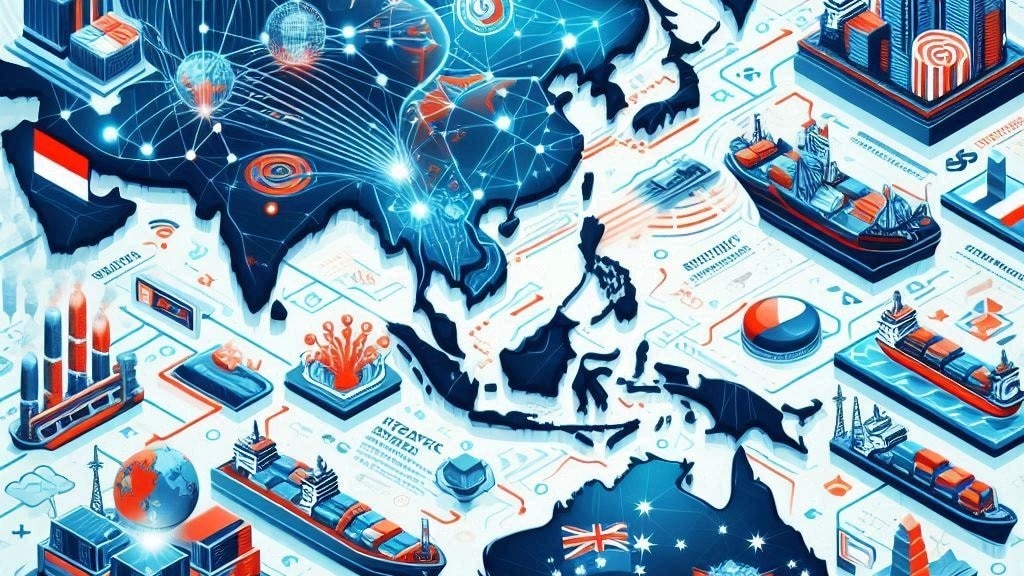
Economic statecraft is when countries use economic tools like trade rules, sanctions, and investments to influence other countries or groups.
Instead of using military force, they use money and markets to get what they want.
For example, the US and China are using economic statecraft to control technology and trade.
The US is trying to limit China's access to advanced technology, while China is using its control over rare earth minerals to pressure other countries.
This approach is becoming more common because it is seen as a middle ground between diplomacy and military action.
It can help countries achieve their goals, but it also has risks, like hurting regular people and making global markets unstable.
Developing countries have to be careful because they might be pressured to choose sides in these conflicts.

Economic statecraft involves using economic tools like trade policy, sanctions, and investments to influence other states.
It has gained prominence due to rising strategic rivalry, weaponization of supply chains, and technological competition.
Major powers like the US and China are using economic statecraft to control technology and trade.
Developing countries face both opportunities and risks, including pressure to choose sides in major power rivalries.
Economic statecraft can have limits and risks, such as hurting civilians and undermining global institutions.
- Who
- Governments and states using economic tools to influence other states or actors.
- What
- Economic statecraft, the use of economic instruments to pursue national interests.
- When
- Gained prominence in the 21st century due to globalization and geopolitical shifts.
- Where
- Globally, with major powers like the US, China, and Russia using these tools.
- Why
- To influence behavior, secure strategic goals, and reduce dependence on rivals.
- Definition
- Use of economic tools by governments to influence behavior of other states or actors.
- Common Tools
- Trade policy, sanctions, investment screening, technology controls, development finance, and aid.
- Prominence Factors
- Rising strategic rivalry, weaponization of supply chains, technological competition, declining appetite for military intervention.
- Examples
- Western sanctions on Russia, US export controls on China, China's market access leverage.
- Impact on Developing Countries
- Opportunities for growth through trade agreements and infrastructure financing, but risks of being pressured to choose sides.
- Limits and Risks
- Sanctions can hurt civilians, disrupt global markets, and undermine trust in global institutions.
- India's Strategy
- Pursuing strategic indispensability, boosting domestic manufacturing, and deepening ties with multiple global partners.
- Pax Silica
- US-led initiative to dominate the AI value chain by securing energy sources, rare earth elements, chip manufacturing, and control over software models.