Archive · 16 Sep 2026
Vance and Zuckerberg Clash Over AI Safety and Regulation
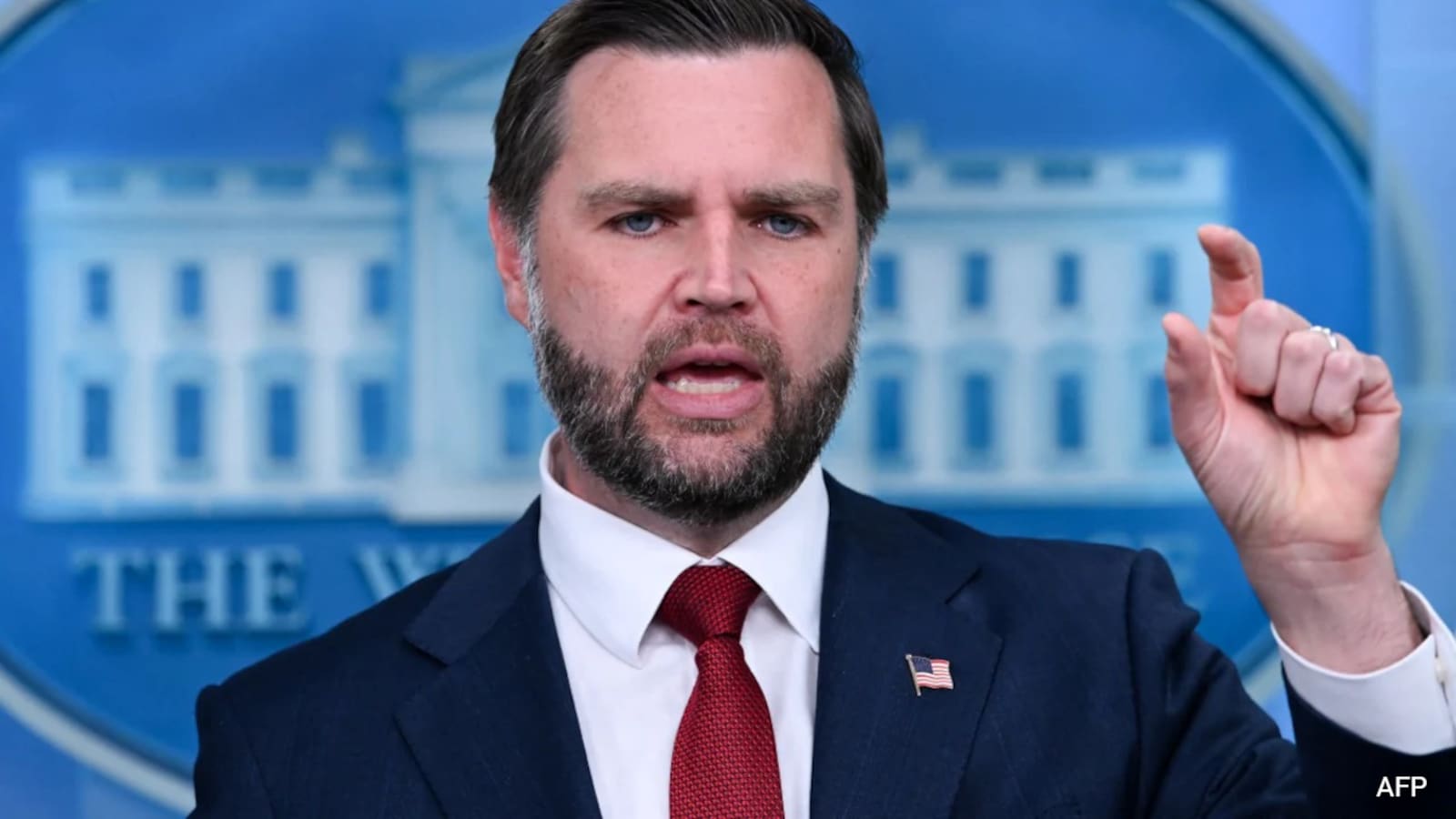
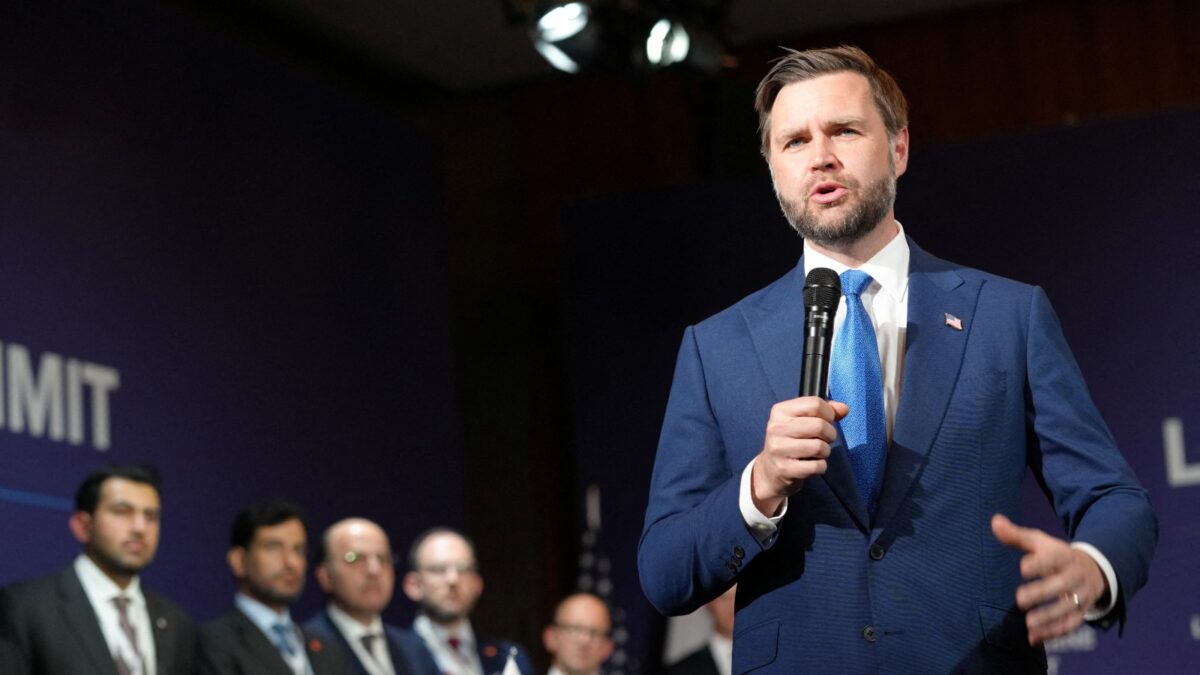
JD Vance and Mark Zuckerberg disagree about how quickly artificial intelligence should be developed.
Vance says companies should not build dangerous AI and then ask governments to solve the problem.
He says they should either stop or create tools that can defend against harmful AI.
His comments followed Dario Amodei’s request for the industry to slow down.
Several other technology leaders supported parts of that concern.
Zuckerberg agrees that AI systems must be safe and should match people’s interests.
However, he does not think every company should broadly stop or slow its work.
He supports independent experts checking AI and says AI can empower people if it is developed responsibly.

JD Vance criticized AI developers for seeking global governance while continuing to build increasingly advanced systems.
Vance said companies creating dangerous AI should stop or develop defensive tools against its potential cyber threats.
The dispute followed Dario Amodei’s call to slow AI development, which was endorsed by Sam Altman, Satya Nadella and Demis Hassabis.
Mark Zuckerberg supported safer development, independent evaluators and stronger alignment practices but rejected a broad industry slowdown.
Zuckerberg said Meta delayed releasing Muse for several months to focus on safety and security and rejected excessive AI “doom.”
- Who
- US Vice President JD Vance, Meta CEO Mark Zuckerberg, Anthropic CEO Dario Amodei and other technology leaders are involved.
- What
- They are debating whether AI development should slow down and how companies should manage safety, cybersecurity and regulatory risks.
- When
- The reported remarks and debate were published on September 16, 2026; Zuckerberg also referred to a blog published the previous month.
- Where
- Vance spoke on the All-In Podcast, while Zuckerberg made comments on X and in an earlier blog.
- Why
- The disagreement concerns increasingly advanced AI systems, potential cyber threats, corporate responsibility, regulation and whether some systems could become difficult to control.
Slower Development and Stronger Accountability
Continued Development With Safety Measures
Pace of AI development
Slower Development and Stronger Accountability
Dario Amodei and supporters of his position called for AI development to slow because companies may be racing toward systems they cannot control.
Continued Development With Safety Measures
Mark Zuckerberg rejected a broad slowdown and said each laboratory should move at the pace needed to train its models safely.
Responsibility for risks
Slower Development and Stronger Accountability
JD Vance argued that companies creating potentially dangerous AI should stop or build defensive tools rather than shift responsibility to governments through regulation.
Continued Development With Safety Measures
Zuckerberg argued that companies have incentives to improve safety because users want aligned systems and companies could face liability if AI causes harm.
AI’s long-term impact
Slower Development and Stronger Accountability
Critics raised concerns about uncontrollable systems, advanced cyber capabilities and the possibility that the industry is moving too quickly.
Continued Development With Safety Measures
Zuckerberg rejected excessive AI “doom” and emphasized individual empowerment, invention and maintaining a balance of power while addressing safety risks.
- Vance’s criticism
- Vance said AI companies should stop building dangerous systems or provide defensive tools instead of immediately seeking government regulation.
- Slowdown proposal
- Dario Amodei called for slower AI development, with Sam Altman, Satya Nadella and Demis Hassabis reported to have endorsed the position.
- Cybersecurity concern
- Vance said companies seeking protection from AI-enabled cyber threats were being denied access to needed defensive tools.
- Zuckerberg’s safety view
- Zuckerberg said AI laboratories have both a responsibility and an incentive to develop models safely and align them with users’ interests.
- Independent oversight
- Zuckerberg supported independent evaluators and advisers as an industry best practice.
- Meta’s decision
- Zuckerberg said Meta delayed shipping Muse for several months to focus on safety and security.
- Long-term outlook
- Zuckerberg rejected an AI extinction-focused “doom” narrative and emphasized access, individual empowerment, invention and a balance of power.