

Archive · 13 Dec 2025
Forests and Indigenous Peoples Take Center Stage at COP30
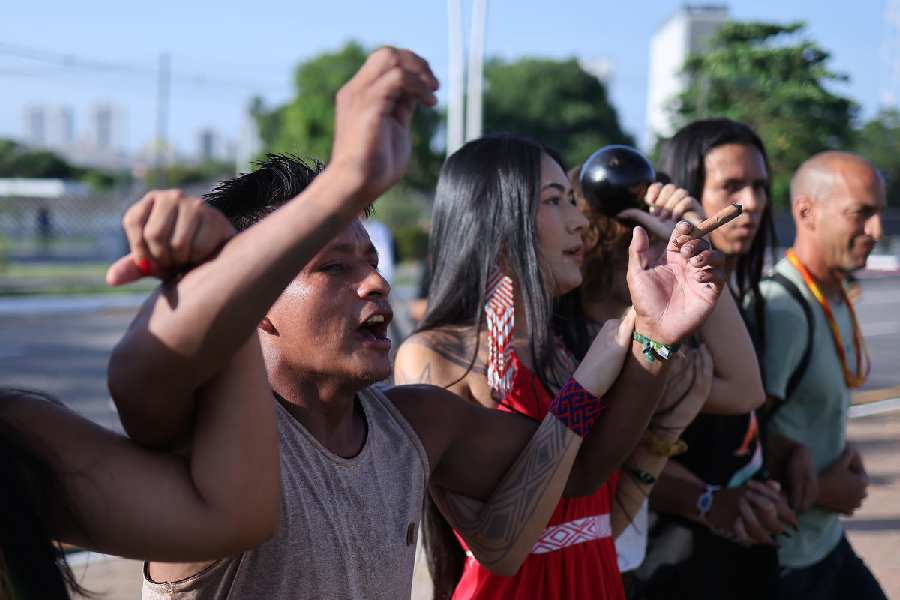
At the COP30 climate talks in Belém, Brazil, forests and the people who live in them became a major focus.
This was a big change because usually, forests are just talked about as places that store carbon.
In Belém, they were seen as homes and important political spaces.
Indigenous peoples and communities played a big role in the discussions, marching and speaking about their rights and the realities they face.
One important development was the launch of Brazil’s Tropical Forest Forever Facility, which aims to pay countries for keeping forests standing.
This facility also promises to give a share of the funds to indigenous peoples and local communities.
However, there are still concerns about how these funds will be managed and whether communities will have direct access to them.
Another topic of debate was carbon markets, which some see as a way to finance climate action but others worry could lead to more problems for indigenous peoples.
For India, the talks highlight the need to better involve forest-dependent communities in climate finance and to ensure their rights are protected.
Overall, COP30 brought a new focus on the importance of forests and the people who protect them, but the real impact will depend on what happens next on the ground.

COP30 in Belém, Brazil, focused on the role of forests and indigenous peoples in climate change mitigation.
Indigenous peoples and communities played a significant role in the discussions, highlighting their rights and experiences.
Brazil launched the Tropical Forest Forever Facility to pay countries for keeping forests standing, with a share of funds reserved for indigenous peoples and local communities.
Governments committed to securing collective rights across millions of hectares by 2030, recognizing the importance of community control for forest protection.
Debates around carbon markets under Article 6.4 of the Paris Agreement raised concerns about the impact on indigenous peoples and the need for stronger safeguards.
- Who
- Indigenous peoples, riverine communities, forest defenders, and global leaders
- What
- COP30 climate talks focusing on forests and indigenous rights
- When
- During COP30 in Belém, Brazil
- Where
- Belém, Brazil
- Why
- To address climate change and the role of forests and indigenous peoples in mitigation efforts
- Event
- COP30 in Belém, Brazil
- Key Focus
- Forests and indigenous peoples
- Significant Development
- Launch of Brazil’s Tropical Forest Forever Facility
- Funding Pledges
- Several billion dollars
- Commitment
- Secure collective rights across millions of hectares by 2030
- Key Concern
- Direct access to funds for indigenous communities
- Article 6.4
- Debates around carbon markets and their impact on indigenous peoples
- India's Opportunity
- Integrate global forest finance mechanisms with the Forest Rights Act of 2006