3 weeks ago
Silent Epidemic: Varicose Veins Become India's Fastest-Growing Lifestyle Disorder

Varicose veins are swollen, bulging veins that often appear on the legs.
For a long time, people thought they were just a normal part of getting older.
Doctors in India now say many more people have them than people once believed.
About 33 million Indians between the ages of 40 and 80 have varicose veins.
That is 22 million women and 11 million men.
Overall, about 15 to 20 out of every 100 adults in India may have them.
Around the world, up to 23 out of every 100 adults are affected.
Women get varicose veins more often than men.
Now doctors are seeing the condition in younger people in their 30s and 40s.
That is why it is being called a growing health problem rather than just a beauty issue.

Varicose veins are increasingly seen as a medical condition rather than a cosmetic nuisance in India.
An estimated 22 million women and 11 million men in India aged 40 to 80 have varicose veins.
Overall prevalence is estimated at 15 to 20 percent of adult Indians.
The condition affects up to 23 percent of adults worldwide, with women disproportionately impacted.
Doctors across India report a sharp uptick in younger patients in their 30s and 40s seeking treatment.
- Who
- Indian adults, especially women; an estimated 22 million women and 11 million men in India aged 40-80
- What
- Varicose veins are becoming India's fastest-growing lifestyle disorder, with rising cases among younger patients
- Where
- India, with global prevalence also noted
- When
- No specific date given; based on recent clinical reviews and current reports from doctors across India
- Why
- Changing perceptions and a sharp uptick in younger patients seeking treatment for vein disorders
Key facts
- Country focus
- India
- Affected women in India (ages 40-80)
- ~22 million
- Affected men in India (ages 40-80)
- ~11 million
- Prevalence among adult Indians
- 15-20 percent
- Global adult prevalence
- Up to 23 percent
- Disproportionately affected group
- Women
- Emerging patient trend
- People in their 30s and 40s seeking treatment
Sources
Related news
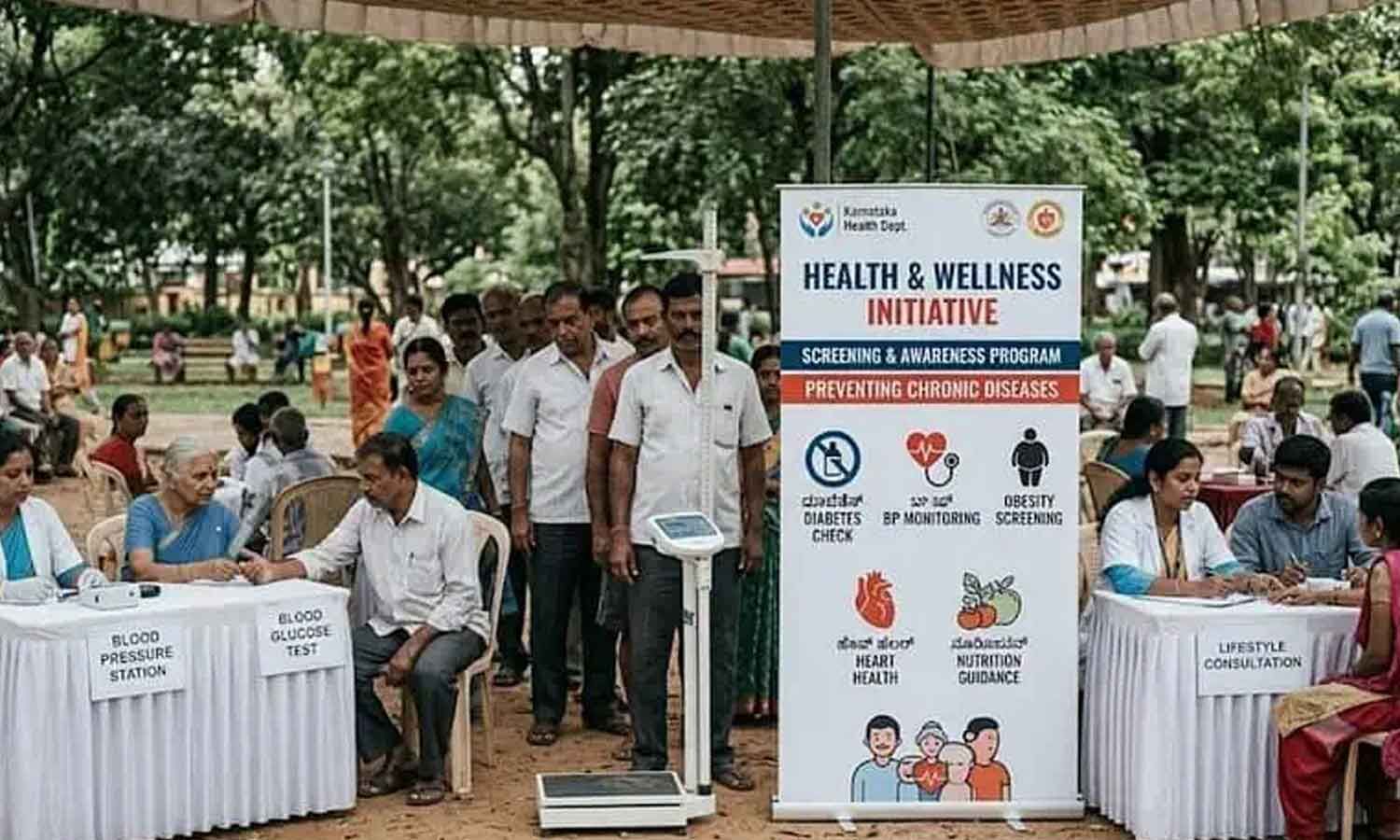
Karnataka Reports Sharp Rise in Diabetes, Hypertension and Obesity
Heart Disease Is Increasingly Affecting Younger Adults in India

Why Indians Are Ageing Faster Than They Realise

Diabetes Care Evolving Beyond Sugar Levels to Protect Hearts, Kidneys
Why Indians in Their 20s Face Diabetes, Fatty Liver
India Faces Rising Fatty Liver and Colorectal Cancer Burden
India's 7.8% GDP Growth Sparks Questions Over Economic Reality

India Needs a Unified Ministry to Strengthen Energy Security

How Personal Guarantees Work Under India’s Insolvency Code

India Plans High-Tech Waiver From Mandatory BIS Certification Rules
India Condemns Demolition of Century-Old Hindu Temple in Pakistan