Archive · 28 Jan 2026
India's Strategic Reset in 2026
India is facing a more challenging world in 2026.
The global situation is shaped by fatigue, uncertainty, and recalibration.
Wars and instability in places like Eastern Europe and West Asia are affecting India's trade and economy.
India's relationship with the US has changed, becoming more transactional.
India is focusing on reducing its dependence on any single country or region by diversifying its trade and technology partners.
The Middle East is now important for India not just for energy but also for security and investment.
Looking ahead, India needs to focus on being strong economically, flexible in its diplomacy, and diversified in its security partnerships.
Patience and careful decision-making will be key to India's success in this changing world.

The global landscape in 2026 is shaped by fatigue, uncertainty, and recalibration, posing challenges for India.
India's relationship with the US has become more transactional, with tighter trade policies and technology controls.
India is diversifying its trade and technology partners to reduce dependence and enhance strategic autonomy.
The Middle East is now a key arena for India in terms of maritime security, infrastructure investment, and diplomacy.
India's future strategy focuses on economic resilience, multilateral flexibility, and security diversification.
- Who
- India, US, China, EU, Middle Eastern countries
- What
- India's strategic reset in response to global geopolitical shifts
- When
- 2026 and beyond
- Where
- Global context, focusing on major economies and trade partners
- Why
- To maintain economic growth and mitigate the impact of geopolitical shifts and tariffs
- Global Landscape
- Shaped by fatigue, uncertainty, and recalibration
- India's Geopolitical Position
- End of benign external environment, beginning of demanding phase
- Global Conflicts
- Russia-Ukraine war, West Asia instability, and their economic impacts
- India-US Relations
- Recalibration, not rupture, with a more transactional approach from the US
- India's Strategic Autonomy
- Diversification in technology and trade to reduce dependence
- Middle East Relations
- Key arena for maritime security, infrastructure investment, and diplomacy
- India's Future Strategy
- Focus on economic resilience, multilateral flexibility, and security diversification
- Diplomatic Approach
- Patience, hedging, and selective engagement
Sources
Atmanirbharta won’t save India in a tariff-driven world—hedging and reform will
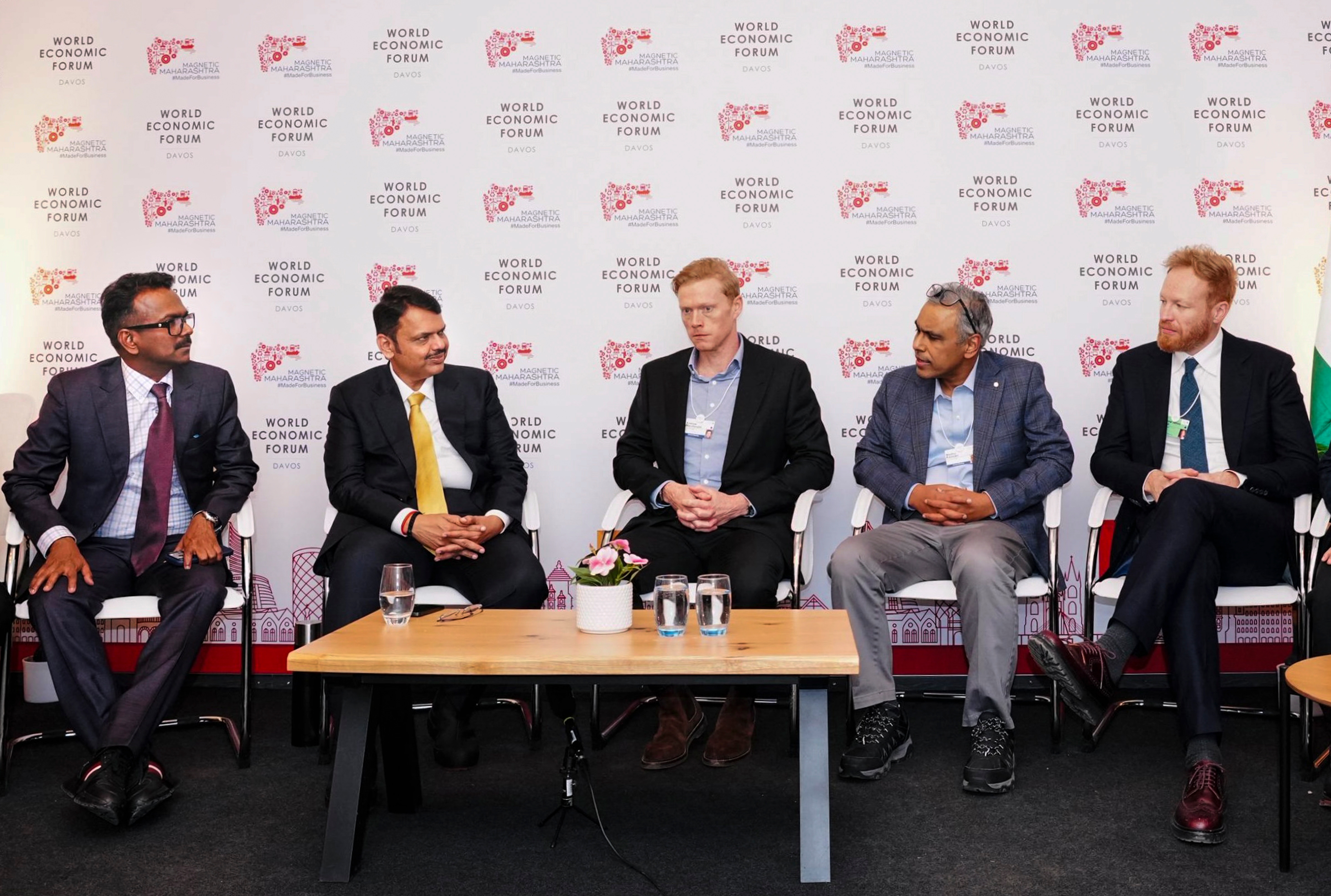
At Davos, Mark Carney marked the end of a global order. What India needs for the emerging one
Syed Ata Hasnain | Amid Geopolitical Fatigue, A Strategic Reset For India