

Archive · 28 Nov 2025
Gen Z's Filtered Faces Drive Cosmetic Surge
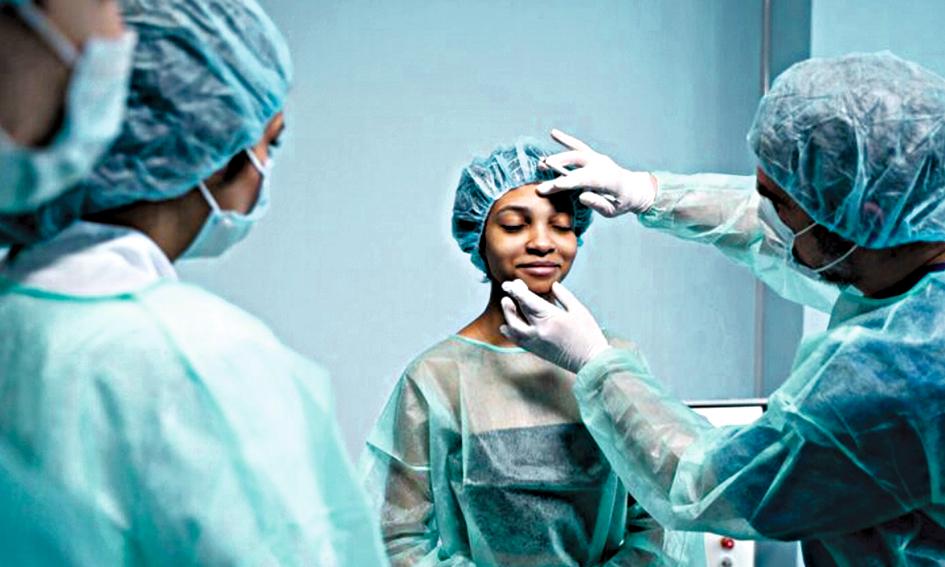
Gen Z is getting more cosmetic procedures like lip fillers and Botox because they want to look like their filtered selfies.
Doctors say many young people bring pictures of their filtered faces to clinics and ask for the same look.
This is called 'filter dysmorphia.'
Some people feel pressure to look perfect online and offline, which can affect their mental health.
Clinics are trying to help by talking about realistic expectations and offering safer procedures.
But there are still questions about whether these trends are good or harmful.

Gen Z is increasingly getting cosmetic procedures to match their filtered selfies, a phenomenon called 'filter dysmorphia.'
Common procedures include lip fillers, jawline contouring, Botox, and the 'Fox Eye Lift,' popularized by social media.
Clinics in India, the U.S., and Europe report a surge in young clients seeking these treatments, with double-digit growth in India.
Doctors and mental health professionals are concerned about the pressure to maintain a filtered appearance, which can lead to body dysmorphic disorder (BDD).
Clinics are adapting by focusing on realistic expectations, screening for dysmorphia, and offering low-risk procedures, but ethical questions remain.
- Who
- Gen Z individuals, cosmetic dermatologists, plastic surgeons, mental health professionals
- What
- Increase in non-surgical cosmetic procedures influenced by social media filters
- When
- Over the past three years, with a significant rise recently
- Where
- Clinics across India, the U.S., and Europe
- Why
- Due to the influence of social media, influencer culture, and the normalization of cosmetic enhancements
- Primary Category
- CULTURE
- Secondary Category
- Beauty
- Tertiary Category
- Cosmetic Procedures
- Quaternary Category
- Social Media Influence
- Target Age Group
- Gen Z (under 25)
- Most Common Procedures
- Lip fillers, jawline contouring, Botox, Fox Eye Lift
- Growth in India
- Double-digit growth in injectable treatments among 18-26 age group
- Ethical Concerns
- Filter dysmorphia, body dysmorphic disorder (BDD), realistic expectations