1 week ago
Supreme Court Considers Special Bench for OBC Creamy-Layer Plea
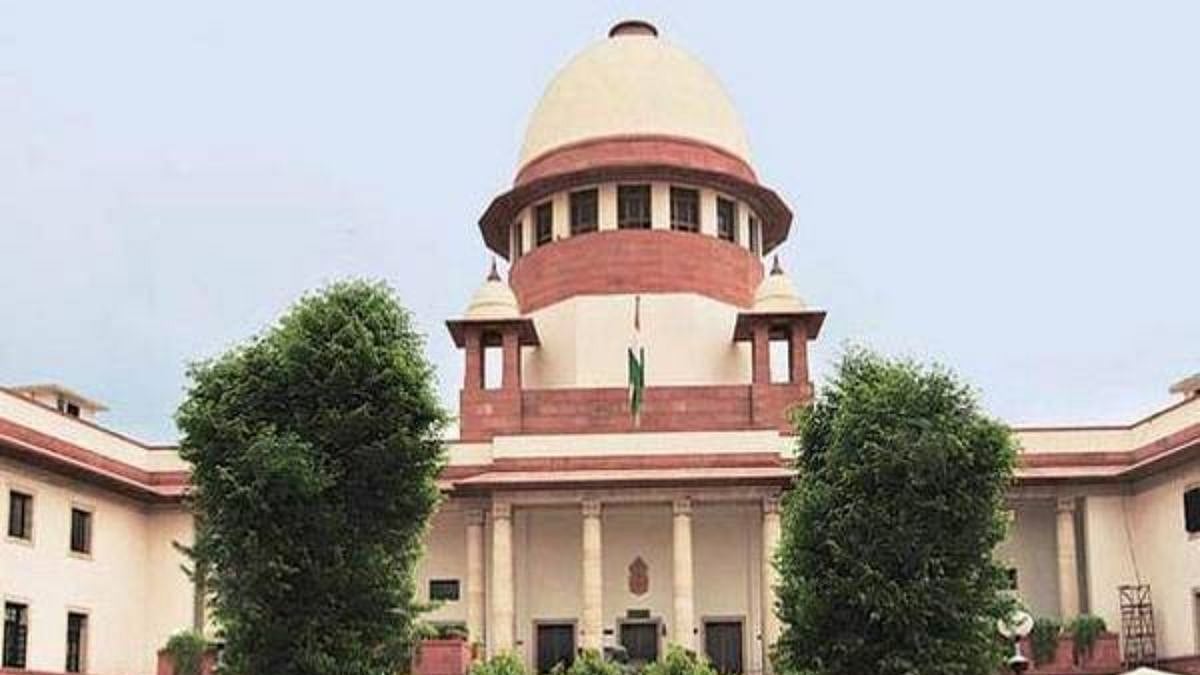
The Supreme Court made a rule about how to decide which OBC candidates are in the creamy layer.
It said a parent’s salary alone should not decide whether a child receives OBC reservation benefits.
The government is worried about how this rule should be used for the 2025 civil-services examination.
The examination process had largely finished before the court issued its ruling.
Some candidates may have applied in the General category because they relied on the older interpretation of the rules.
Others who applied as OBC candidates might now have their claims reassessed.
The government says changing the process could affect service assignments, training and seniority.
The court will consider creating a special bench to give directions.
The dispute also involves nearly 100 candidates from earlier examinations whose OBC claims were rejected.

The Supreme Court agreed to consider a special bench for the Centre’s plea on applying its March 11 OBC creamy-layer judgment.
The DoPT wants to allocate services to 958 CSE-2025 candidates under the criteria used before the judgment.
The judgment said salary or income alone cannot determine creamy-layer exclusion for children of private- or public-sector employees.
The Centre warned that reopening CSE-2025 could create unequal treatment and disrupt training, cadre allocation, seniority and pay fixation.
The plea also concerns nearly 100 candidates from earlier civil-services cycles whose OBC claims were rejected on creamy-layer grounds.
- Who
- The Supreme Court, the Department of Personnel and Training, the Union Public Service Commission, CSE-2025 candidates and nearly 100 earlier OBC candidates, including Rohith Nathan.
- What
- The Centre is seeking clarification on how the March 11 judgment on OBC creamy-layer criteria should apply to CSE-2025 and earlier affected candidates.
- Where
- The matter concerns Union civil-services recruitment and the CSE-2025 Foundation Course at the Lal Bahadur Shastri National Academy of Administration in Mussoorie.
- When
- The Supreme Court considered the request on August 25; the judgment was issued on March 11, 2026, five days after the CSE-2025 result, and its six-month implementation period ends on September 11.
- Why
- The Centre says retrospective application could treat candidates from the same examination cycle differently and delay service allocation, training, cadre allocation, seniority and pay fixation.
Centre’s Administrative Concerns
Candidates’ Equality Claims
Applying the ruling to CSE-2025
Centre’s Administrative Concerns
The Centre says mechanically applying the judgment retrospectively could disadvantage candidates who relied on the rules in force during the examination and create unequal treatment within the same cycle.
Candidates’ Equality Claims
The judgment’s reasoning is that similarly placed OBC candidates should not be excluded solely because their parents’ income came from private- or public-sector employment.
Category changes and missed benefits
Centre’s Administrative Concerns
The government says candidates who did not apply as OBC may not be able to retrospectively claim OBC status, age relaxation or additional attempts, making a fresh assessment potentially require reopening parts of the examination.
Candidates’ Equality Claims
Candidates whose OBC claims were rejected under the earlier interpretation could have their eligibility reconsidered under the March 11 interpretation.
Earlier examination cycles
Centre’s Administrative Concerns
The Centre seeks directions protecting completed admissions, academic sessions, degrees and settled student rights from retrospective disruption.
Candidates’ Equality Claims
Full implementation of the judgment could extend benefits to affected candidates from earlier examination cycles and lead to revised rankings for some.
Key facts
- Proposed special bench
- Chief Justice Surya Kant said the Supreme Court would consult the judges involved in the March 11 order before deciding on a special bench.
- CSE-2025 recommendations
- The UPSC recommended 958 candidates for the IAS, IFS, IPS and other central services.
- March 11 judgment
- The Supreme Court held that the 2004 DoPT clarification could not override the 1993 Office Memorandum on identifying the OBC creamy layer.
- Creamy-layer criterion
- Salary or income of a parent working in a private company or public-sector undertaking cannot by itself determine exclusion; the parent’s post status and applicable income and wealth criteria must also be considered.
- Earlier affected candidates
- Nearly 100 candidates who cleared civil-services examinations since 2016 had their OBC claims rejected by the DoPT on creamy-layer grounds.
- CSE-2025 timeline
- The notification was issued on January 22, 2025; the preliminary examination was held on May 25, 2025; the main examination took place from August 22 to 31; and the final result was declared on March 6, 2026.
- Government request
- The Centre seeks permission to finalise service allocation under the pre-March 11 framework and protection for completed admissions, academic sessions, degrees and settled student rights.
Quotes
Department of Personnel and Training
The central government department that filed the clarification application.
“a mechanical or unqualified application of the ratio of the said judgement, with retrospective effect, to the already-concluded selection process of CSE-2025, would result in a peculiar and acute anomaly amounting to discrimination inter se candidates of the very examination cycle sought to be benefited”
 indianexpress.com
“The object of excluding the creamy layer is… not to create artificial distinctions between equally placed members of the same social class… unequal treatment of similarly placed OBC candidates would not only be legally erroneous but constitutionally impermissible.”
indianexpress.com
Sources
Related news
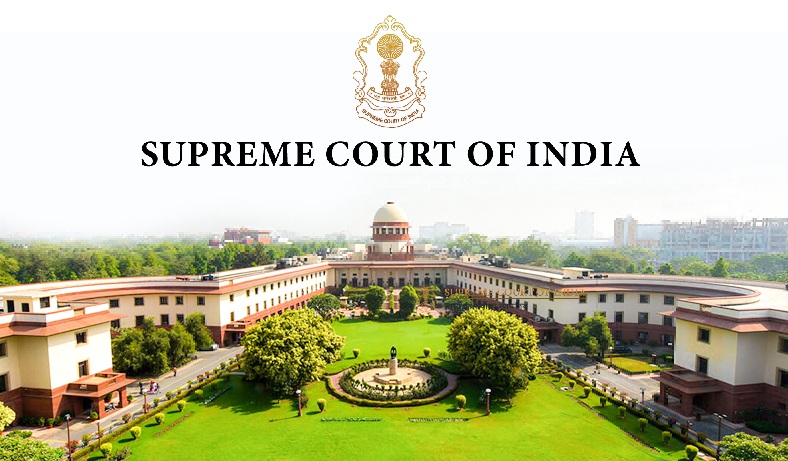
Supreme Court Sets September 1 Hearing on OBC Creamy Layer
Centre Seeks Supreme Court Clarity on OBC CSE 2025 Rules

SC Issues Notice on Centre Plea Affecting 958 Candidates

Supreme Court Special Bench to Review OBC Creamy Layer Criteria

Centre's OBC Plea Challenged After Supreme Court Salary Ruling

Supreme Court Lists OBC Criteria, Gadling Bail Cases Tuesday
PUCL Urges CJI Action Over Rajasthan High Court Allegations

Supreme Court Questions IPS Deputation for CAPF Leadership Positions
Supreme Court Quashes 20-Year Conviction, Reaffirms Juvenile Legal Protections
Two Years After RG Kar Doctor's Rape-Murder, Case Remains Unresolved

ED widens Chhattisgarh probes with two arrests and searches