

Archive · 30 Sep 2025
Mobility and Privilege: Examining Global Migration and Inequality
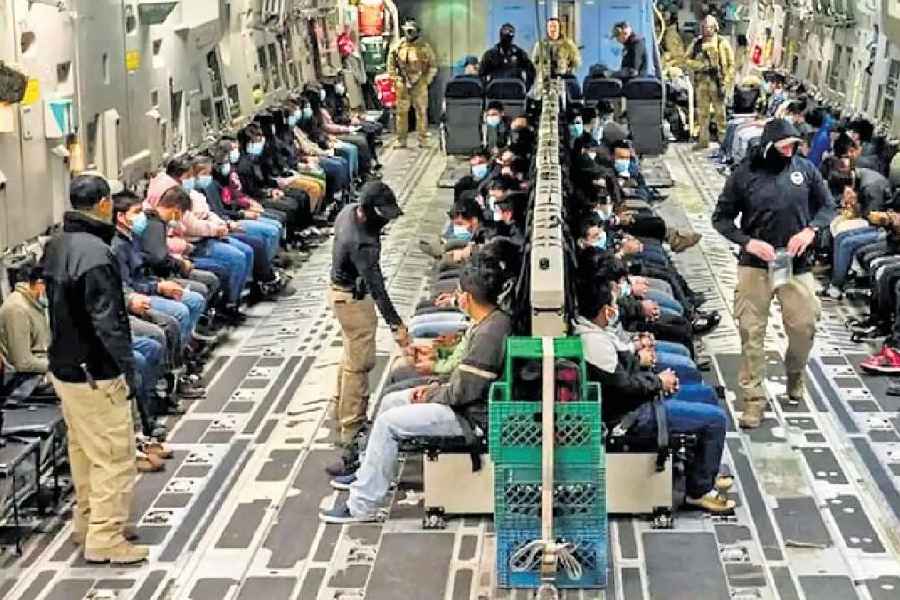
Imagine some people have the freedom to move anywhere, while others are stuck.
This article looks at how being able to move (mobility) or having a place to live (situatedness) is often connected to how rich or poor you are.
Wealthy people can easily move around the world, while poor people might be excluded from even living in their own country due to money and paperwork.
Countries are increasingly making it easy for rich people to become citizens and harder for the poor to immigrate.
It discusses how this trend plays out globally, showing some countries are not welcoming to the poor while allowing wealthy people to access their nation with special visas.

The article discusses the irony of encouraging emigration on India's Independence Day.
Mobility and situatedness are often linked to privilege and economic standing.
Documentation requirements can exclude the poorest and marginalized.
Nations are increasingly selling citizenship to the wealthy.
There is an observed flight of talent from the US, as well as an anti-immigrant sentiment in India.
- Who
- The author discusses the global trend.
- What
- Examines how mobility and situatedness are linked to privilege and the exclusion of marginalized people through economic and documentation methods.
- When
- The article discusses current events.
- Where
- The article references the US, India, Europe, and the Gulf.
- Why
- To explore the implications of these trends on a global scale.
- Main Theme
- The relationship between mobility, situatedness, and privilege.
- Key Issue
- The exclusion of the poor and marginalized through documentation and economic means.
- Trend
- Increased hostility against immigrants.
- Example
- US offering 'Golden Visas' to wealthy while restricting access for the poor.
- Irony
- Calls for emigration on the anniversary of India's liberation.