Archive · 17 Nov 2025
UN Climate Talks Address Critical Mineral Extraction Risks
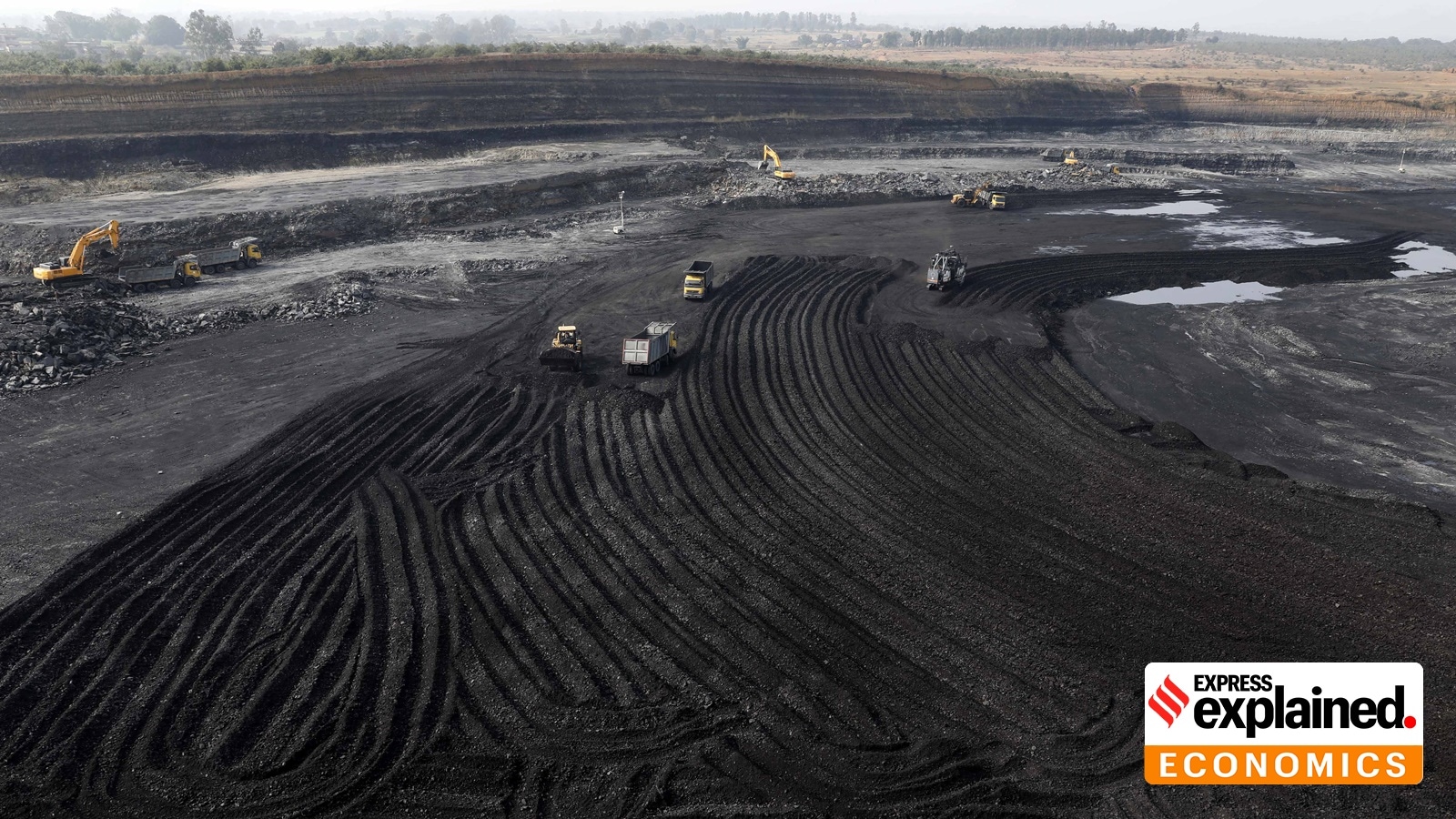
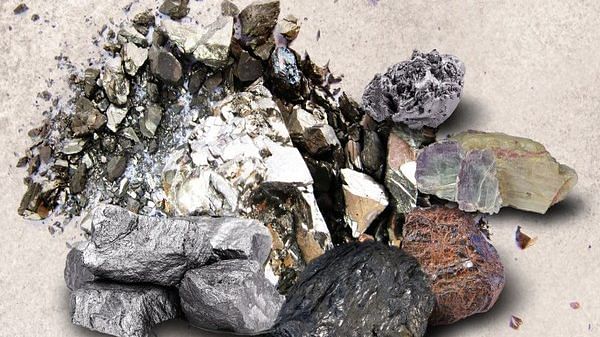
Countries at a big UN climate meeting are talking about the problems that come with digging up special rocks and metals like copper and lithium.
These minerals are needed to make things like solar panels and electric car batteries.
Right now, how these minerals are dug up can hurt the environment and the people who live nearby.
Sometimes, workers are also put in dangerous situations.
The people at the meeting want to make sure that switching to clean energy doesn't cause the same kind of problems that burning fossil fuels does.
They are considering new rules to make sure that mining is done more responsibly.
This includes making sure companies are honest about where the minerals come from and helping communities that are affected by the mines.
They also want to find ways to use less of these minerals and recycle them more.
Some countries are worried about getting these minerals from only a few places, so they want to find new ways to get them and process them.
The goal is for clean energy to be good for the planet and fair to the people involved.

UN climate talks are for the first time addressing risks of extracting and processing critical minerals needed for clean energy.
Language in draft-decision text highlights social and environmental risks of scaling up mineral supply chains.
Nations aim to prevent the clean energy transition from creating new environmental and social problems.
Discussions include proposals for transparent supply chains, legacy funds for abandoned mines, and increased recycling of transition minerals.
Concerns about supply chain dominance, particularly by China, are driving increased international investment and cooperation in critical mineral projects.
- Who
- Countries participating in UN climate negotiations
- What
- Addressing the social and environmental risks associated with the extraction and processing of critical minerals essential for clean energy technologies.
- When
- Ongoing, with draft-decision text considered for adoption next week.
- Where
- Belém, Brazil (location of the annual UN climate negotiations)
- Why
- To ensure the transition away from fossil fuels does not create new environmental and social problems, and to manage the risks and potential harms of critical mineral supply chains.
Proponents of Inclusion
Activists and Experts
Integrating Critical Minerals into Climate Negotiations
Proponents of Inclusion
Including language on critical minerals and their extraction risks in UN climate negotiations is a crucial step to ensure the transition away from fossil fuels doesn't simply replace one set of environmental and social problems with another. It emphasizes that the clean energy transition must also be responsible.
Activists and Experts
The inclusion of critical minerals in climate talks is necessary to recognize the significant environmental and social risks, including potential human rights abuses and damage to communities where mining occurs, that come with scaling up supply chains for clean energy technologies. The transition needs to benefit local communities and workers, not just offer empty promises.
Economic Opportunities vs. Community Impact
Proponents of Inclusion
The expansion of critical mineral supply chains presents opportunities for countries to develop and diversify their economies, alongside recognizing the rights of Indigenous peoples, including free, prior, and informed consent.
Activists and Experts
The energy transition, driven by demand for critical minerals, risks magnifying the same harms associated with fossil fuel extraction. Broader benefits must be realized for people living near mines, workers, Indigenous peoples, and communities in the Global South, ensuring dignity and economic justice.
- Event
- UN Climate Negotiations in Belém, Brazil
- Key Minerals Discussed
- Copper, Cobalt, Nickel, Lithium, Zirconium, Rare Earth Elements
- Demand Growth Projection
- Demand may triple by 2030 and quadruple by 2040
- Proposed Provisions
- Recognize social & environmental risks of extraction/processing; transparently trace supply chains; create legacy fund for abandoned mines; increase efficient use & recycling.
- Supporting Nations
- European Union, UK, Australia, South Africa, Uganda, Burkina Faso
- Related Initiatives
- US-Australia agreement on joint investment in mines/processing; G7 initiative for critical minerals with planned investments