1 hr ago
Seven 2026 US Races Draw Major Campaign Spending
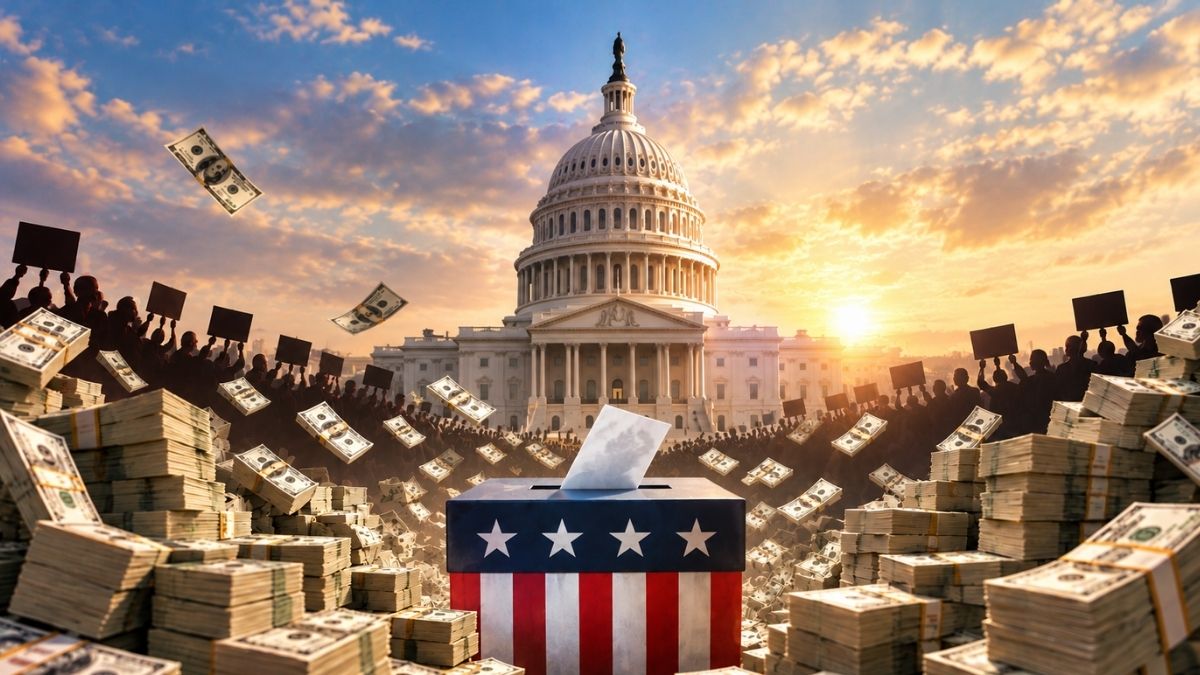
Political campaigns are raising and spending a lot of money before the 2026 US elections.
Some money comes directly from candidates, while other money comes from parties and independent groups.
These groups are reserving millions of dollars for television and other advertisements.
Texas, Michigan and Ohio are among the biggest Senate spending contests.
Georgia shows that one candidate, Jon Ossoff, can have a large campaign account even when national groups keep separate funds.
North Carolina and New York are also receiving national political attention.
In Iowa, a disagreement over military action in Iran could become part of campaign advertising.
The reported amounts are not final because groups can move, cancel or add advertising before Election Day.

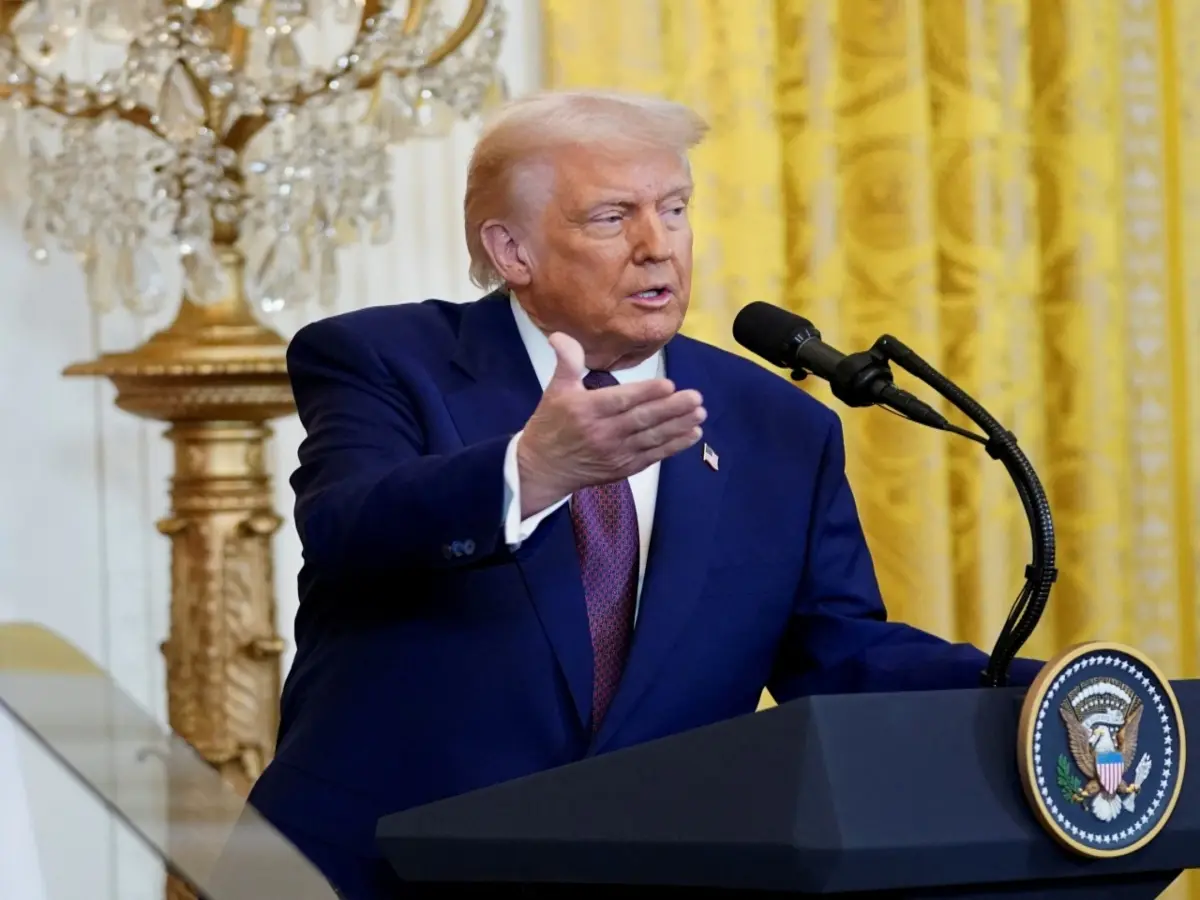
More than $130 million in advertising has been reserved by groups aligned with President Donald Trump, according to AdImpact data cited by the Associated Press.
About $390 million in Senate advertising had been allocated after Labor Day, with Ohio, Michigan and other battlegrounds receiving major spending.
Texas Democrat James Talarico has reported about $88.2 million in fundraising, while Republican-aligned groups have spent heavily to support Ken Paxton.
Georgia Senator Jon Ossoff had about $42.6 million in cash on hand as of June 30, compared with about $2 million for Republican opponent Mike Collins.
Spending is also targeting North Carolina, New York’s 17th Congressional District and Iowa House races, with advertising totals subject to change before November 3.
- Who
- Candidates including James Talarico, Ken Paxton, Abdul El-Sayed, Mike Rogers, Jon Husted, Sherrod Brown, Jon Ossoff, Roy Cooper, Michael Whatley, Mike Lawler and Cait Conley, along with parties, super PACs and groups aligned with Donald Trump.
- What
- Political candidates and organizations are committing and raising large sums for seven competitive 2026 congressional races.
- Where
- Texas, Michigan, Ohio, Georgia, North Carolina, New York’s 17th Congressional District and Iowa.
- When
- The figures were reported during the 2026 campaign, mainly after Labor Day and as of June 30 for some fundraising totals; Election Day is November 3.
- Why
- Candidates and political organizations are trying to win competitive Senate and House races, protect incumbents and influence voters through advertising.
Candidate and Democratic-aligned funding
Republican-aligned and outside-group funding
Sources of campaign money
Candidate and Democratic-aligned funding
Candidates such as James Talarico and Jon Ossoff have built substantial campaign fundraising operations and cash reserves.
Republican-aligned and outside-group funding
Republican-aligned groups, super PACs, party organizations and wealthy donors are directing significant independent spending into targeted races.
Michigan Senate spending
Candidate and Democratic-aligned funding
Democratic-aligned groups, including Senate Majority PAC, have committed major resources to support Abdul El-Sayed; Democratic-linked super PACs also spent heavily during the primary.
Republican-aligned and outside-group funding
Groups aligned with Donald Trump, including No Going Back, have reserved substantial advertising for Michigan and other competitive contests.
Campaign issues and advertising
Candidate and Democratic-aligned funding
Democratic advertisements in Ohio sought to connect Jon Husted to a bribery scandal, although FactCheck.org said Husted had not been charged with wrongdoing.
Republican-aligned and outside-group funding
Republican candidates and groups are emphasizing issues including AI data centers in New York and foreign-policy disagreements involving Iowa lawmakers' vote on Iran-related military authority.
Key facts
- Trump-aligned advertising
- More than $130 million reserved across the 2026 midterm map, according to AdImpact data cited by AP.
- Senate advertising
- About $390 million had been allocated after Labor Day, according to AdImpact data reported by Axios.
- Texas fundraising
- James Talarico has reported about $88.2 million in fundraising.
- Michigan spending
- Senate Majority PAC committed about $30 million, including a newly added $10 million.
- Georgia cash on hand
- Jon Ossoff had about $42.6 million as of June 30; Mike Collins had about $2 million.
- Republican Senate super PAC
- The national Republican Senate super PAC had $239 million on hand, compared with $126 million for the equivalent Democratic group, according to figures cited by The Washington Post.
- Election date
- The article identifies November 3 as Election Day.
Sources
Related news

Musk’s America PAC Puts $800,000 Behind Republican Midterm Races
Texas Senate Race Becomes Money Test for Trump’s GOP

Crypto, AI and Betting Money Reshape 2026 Midterm Elections

Trump’s MAGA Group Launches $10 Million Texas Ad Blitz
Trump Puts Himself at Center of Republican Midterm Convention