

Archive · 25 Nov 2025
Chronic Heartburn May Increase Oesophageal Cancer Risk
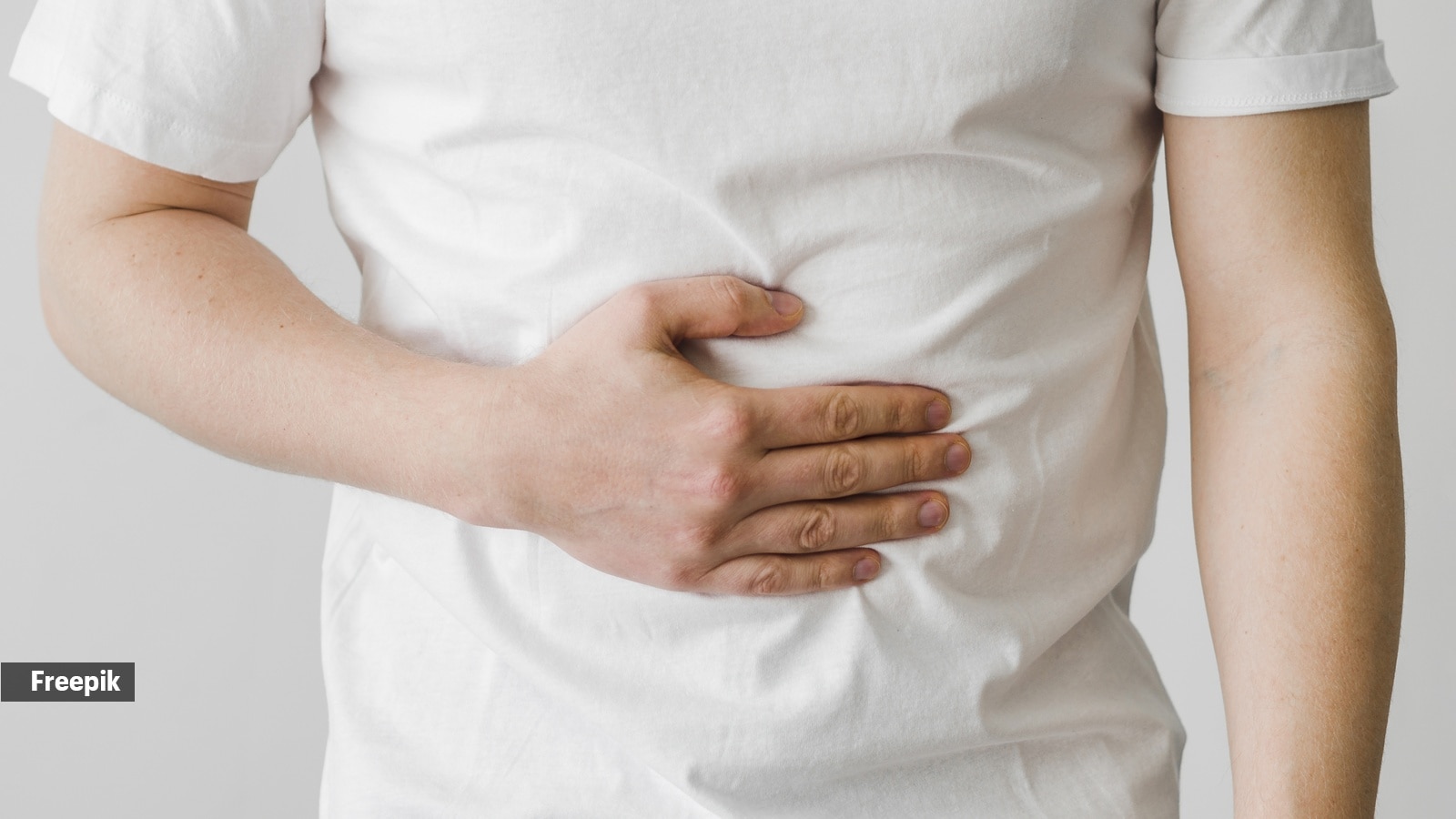
Heartburn happens when stomach acid flows back into the oesophagus.
If this happens often, it can cause problems like Barrett's oesophagus, which can turn into cancer.
Doctors say if you have heartburn a lot, especially more than twice a week, you should see a doctor.
There are ways to manage it, like eating earlier, sleeping on your left side, and taking medicine.
But if it keeps happening, you might need stronger medicine or even surgery.
It's important to get checked if you have trouble swallowing or food feels stuck.

Chronic heartburn occurs when the lower oesophageal sphincter doesn't close properly, allowing stomach acid to reflux into the oesophagus.
Persistent heartburn can lead to Barrett's oesophagus, a precancerous condition that increases the risk of oesophageal cancer.
Occasional heartburn can be managed with lifestyle changes like sleeping on the left side, eating early, and using over-the-counter antacids.
If heartburn occurs more than twice a week or is accompanied by symptoms like difficulty swallowing, medical evaluation is necessary.
Long-term management may involve medications like PPIs or surgical procedures such as fundoplication to prevent serious complications.
- Who
- Individuals experiencing frequent heartburn, gastroenterologists Dr. Saurabh Sethi and Dr. Adithya V. Naragund
- What
- Chronic heartburn and its potential to lead to oesophageal cancer
- When
- When heartburn occurs more than twice a week or persists despite lifestyle changes
- Where
- General information applicable worldwide, with specific advice from Indian medical experts
- Why
- To raise awareness about the serious long-term effects of untreated chronic heartburn
- Condition
- Chronic heartburn
- Cause
- Lower oesophageal sphincter not closing properly
- Potential Complication
- Barrett's oesophagus and oesophageal cancer
- Management Tips
- Sleep on left side, eat early, fennel seeds, OTC antacids
- When to Seek Help
- Persistent symptoms, difficulty swallowing, food sticking
- Diagnosis Methods
- Endoscopy, pH monitoring
- Treatment Options
- PPIs, fundoplication surgery
- Risk Factor
- Gastroesophageal reflux disease (GERD)